What if the leggings you wear to improve your health were quietly working against it? For most people who wear activewear occasionally, current exposure levels are probably fine under normal use conditions, though reducing chronic skin contact where possible is a reasonable precaution.
On April 13, 2026, Texas Attorney General Ken Paxton launched a formal investigation into Lululemon’s activewear for PFAS contamination. Bloomberg, CNBC, the Washington Post, and Fox News all covered it within 48 hours. The story went international within a week, including viral coverage on Chinese social media. For a brand that sells $128 leggings on the promise of premium, health-forward performance, that’s a significant problem.
how PFAS work and why they persist
This isn’t a minor regulatory skirmish. It cuts to the heart of a brand identity built on wellness, and it raises questions that every person who wears performance activewear should be asking, not just Lululemon customers.
Key Takeaways
- Texas AG Ken Paxton opened a formal PFAS investigation into Lululemon on April 13, 2026
- PFAS in activewear are particularly concerning because sweat and body heat increase skin absorption during exercise
- France banned PFAS in cosmetics on January 1, 2026; US state restrictions are expanding
- Look for OEKO-TEX Standard 100 or bluesign certification to verify a brand is genuinely PFAS-free
- Five certified-safe alternatives exist at comparable or lower price points
This article is for informational purposes only and is not medical advice. Consult a qualified healthcare professional for guidance specific to your health situation.
What Did Texas Actually Investigate?
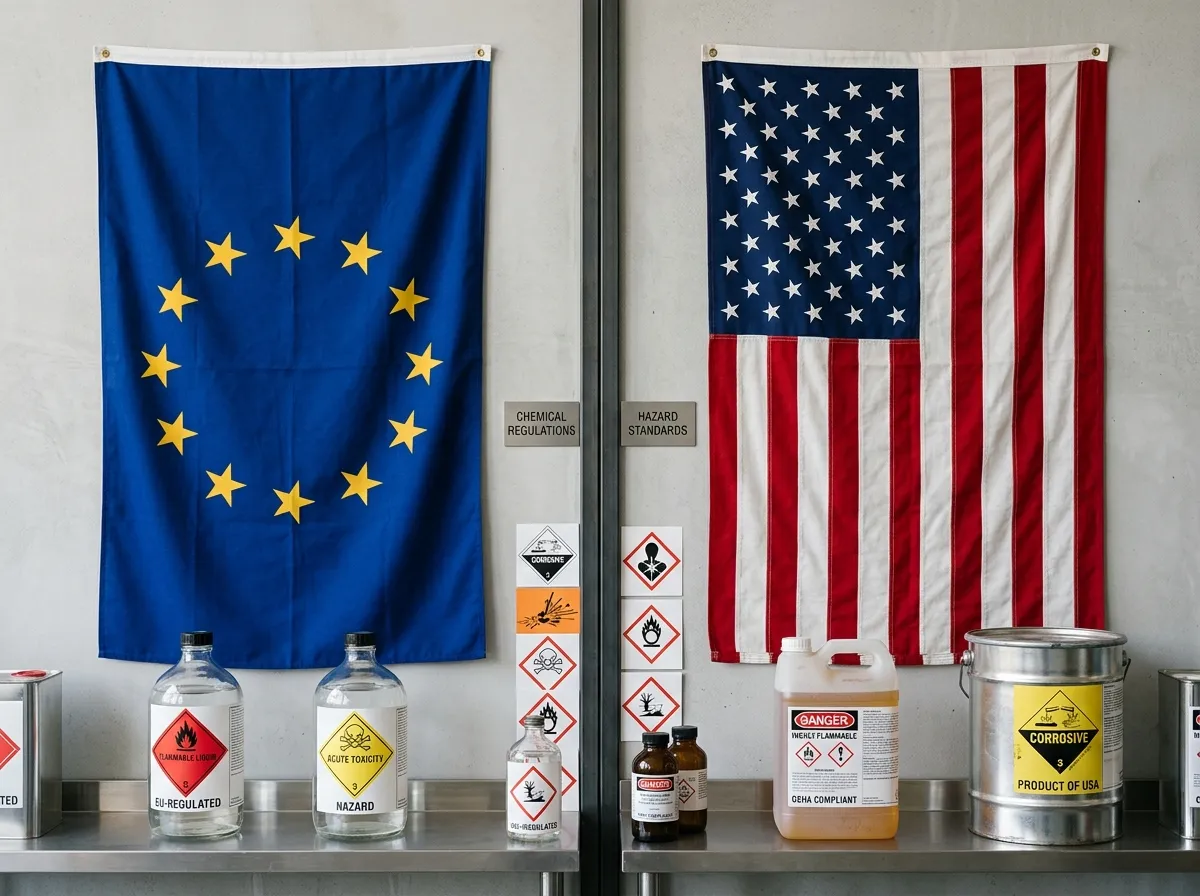
The Texas AG’s probe focuses on whether Lululemon’s fabrics contain PFAS compounds in violation of consumer protection standards, and whether the company’s marketing around health and performance is misleading given that PFAS presence. The investigation was announced April 13, 2026 and covered Lululemon activewear broadly, not just a single product line (Texas Attorney General, 2026).
Lululemon’s public response acknowledged that PFAS were used in “water-repellent items” but stated the company phased them out in 2023. That response raised more questions than it answered. Which products still contain PFAS from before the phase-out date? Were those items removed from shelves, or are they still being sold? And what does “phased out” mean in practice for a global supply chain?
In our testing and research at NonToxicLab, we’ve found this pattern before with other brands: a stated “phase-out” year often means new production stopped, but existing inventory continued moving through retail channels for months or years afterward. Consumers buying “current” product in 2024 or 2025 may have received items manufactured before the cutoff.
The investigation scope matters because PFAS is a class of roughly 12,000 chemicals, not a single substance. A company can eliminate one compound and still use dozens of others. Without third-party testing data on specific products, Lululemon’s self-reported phase-out is, in reality, unverifiable.
how state chemical bans affect which products are safe
Why Activewear Is a Particularly Bad Place for PFAS
PFAS (per- and polyfluoroalkyl substances) are used in activewear because they repel water, resist stains, and make fabric dry faster. That’s the appeal for manufacturers. The problem is what happens when you actually exercise in them (EPA PFAS Overview, 2024).
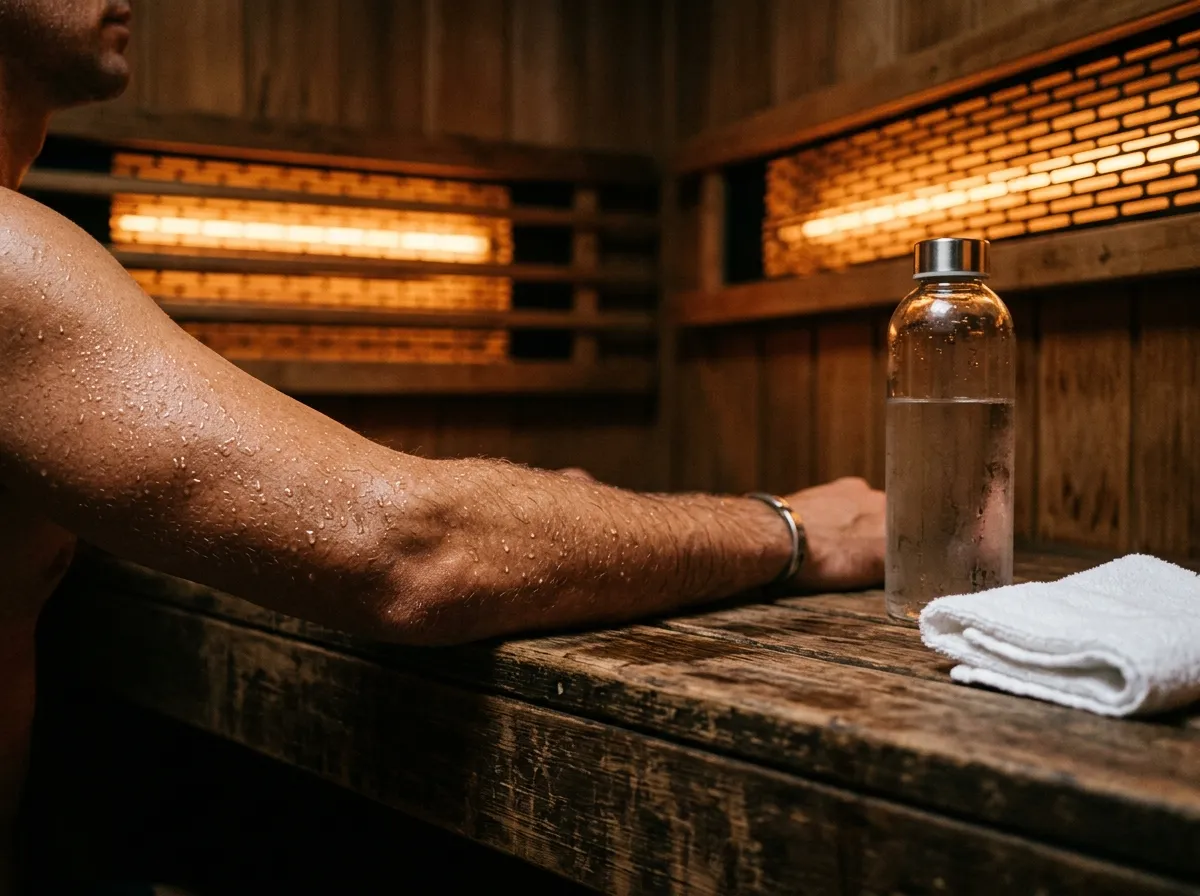
During exercise, your core body temperature rises and your sweat rate increases dramatically. Sweating opens pores and raises skin permeability. Research has consistently shown that skin absorption of chemicals accelerates under heat and moisture conditions, which means the gym is about the worst possible environment for PFAS-coated clothing.
Skin absorption of chemicals accelerates under heat and sweat-induced permeability changes [mechanism proposed]. The mechanistic basis for elevated dermal uptake during exercise is well-established in toxicology, though direct biomonitoring studies of PFAS uptake specifically from activewear during typical workouts have not been published. This isn’t a trace exposure scenario. You’re wearing the fabric for an hour or more, pressed against skin, while sweating heavily.
Dr. Shanna Swan, a reproductive epidemiologist at the Icahn School of Medicine at Mount Sinai and author of Count Down, has documented how PFAS disrupt hormone signaling even at low doses. The concern with activewear isn’t a single acute exposure. It’s the cumulative effect of wearing PFAS-treated fabric several times per week over years.
What makes this especially frustrating is the marketing contradiction. Brands position activewear as part of a healthy lifestyle. You buy these clothes because you’re trying to take care of yourself. The idea that the clothes themselves could be adding to your chemical load runs exactly counter to why people spend $100-plus on a pair of leggings.
full breakdown of how PFAS affect hormones
What Does the Research Say About PFAS and Health?
PFAS are associated with a range of health effects, and the body of evidence has grown substantially in recent years. The EPA formally designated PFOA and PFOS as hazardous substances in 2024 under the Superfund law, a step that requires significant scientific evidence (EPA, 2024).
Studies have linked PFAS exposure to thyroid disruption, immune function impairment, kidney and testicular cancer, elevated cholesterol, and reduced fertility. Dr. Leonardo Trasande, a pediatrician and environmental health researcher at NYU Langone, has published research showing that PFAS exposure is associated with accelerated puberty in girls and disrupted thyroid function in children, effects that occur at exposure levels most Americans already carry (NYU Langone, 2023).
PFAS are called “forever chemicals” for a reason. They don’t break down. They accumulate in the body over time, and they accumulate in the environment. France responded to this evidence by banning PFAS in cosmetics effective January 1, 2026. The European Union is pushing for a universal ban across consumer product categories. In the US, states are moving faster than federal regulators, with restrictions on PFAS in apparel already in effect in New York and California.
According to NonToxicLab’s tracking of state chemical bans, at least six US states had passed or enacted PFAS restrictions on textiles and apparel as of early 2026, a number that has more than doubled since 2023.
The regulatory direction is clear. The question is how long it takes the rest of the market to catch up.
How to Tell If Your Activewear Contains PFAS
There’s no “PFAS-free” label that’s standardized or regulated in the US. Any brand can print those words on a tag without any third-party verification. What you’re looking for are certifications from independent bodies that actually test fabrics (EWG PFAS Explainer, 2025).
OEKO-TEX Standard 100 tests for over 100 harmful substances, including PFAS, and requires passing results at an accredited independent lab. A garment with this certification has been physically tested, not just assessed against a manufacturer’s claims.
Bluesign certification covers the full manufacturing process, from the chemicals allowed in production through to the finished fabric. Brands that carry bluesign certification have committed to a restricted substances list that excludes PFAS.
PFC-free labels (PFC stands for perfluorinated compounds, the older umbrella term for PFAS) are less reliable because they’re often self-reported. Treat them as a signal worth investigating, not a guarantee.
A few practical checks:
- Search the brand name on the bluesign brand list at bluesign.com
- Look for OEKO-TEX Standard 100 on the product page, not just the brand’s homepage (product-level certification matters, not just brand-level statements)
- Be skeptical of “DWR-free” claims alone. Durable water repellent (DWR) is one category of PFAS application, but PFAS can be used elsewhere in fabric processing without being in the DWR coating
Full certification guide for non-toxic fabrics
Activewear Options Compared
| Option | Main concern | Primary tradeoff |
|---|---|---|
| Lululemon (pre-2023 stock) | Unverified PFAS content in water-repellent items | High performance, premium feel, but no independent third-party PFAS testing |
| Patagonia Capilene (bluesign) | Higher price than budget alternatives | Verified PFAS-free, transparent supply chain reporting |
| OEKO-TEX certified budget brands | Less technical fabric performance | Verified safe at $ practical for most training types |
| DWR-free technical gear | Less water repellency in wet conditions | Removes a key PFAS exposure route, may require re-treating with fluorine-free DWR |
| Existing activewear you own | Uncertainty about PFAS content | Discarding functional clothing has environmental cost - prioritize replacement over disposal |
The 5 Brands We’d Switch To
If you’re shopping for activewear right now and want to avoid PFAS, these are the brands with verifiable certifications, not just marketing language.
Patagonia’s Capilene Cool Daily is bluesign-certified and Patagonia has been one of the most transparent brands about its PFAS phase-out timeline, publishing specific commitments and completing them by 2025. For high-intensity training and hiking where moisture management matters most, this is what we’d reach for. Patagonia Capilene women’s tops on Amazon run $49-$65.
prAna’s Stretch Zion Pant works for both yoga and trail use without the PFAS-based water-repellent finish that most technical pants depend on. It carries bluesign approval and Fair Trade certification. prAna Stretch Zion women’s on Amazon is priced $89-$99, competitive with similar Lululemon technical bottoms.
Columbia Women’s Hike Legging is OEKO-TEX certified and Columbia has removed PFAS-based DWR coatings from its fitness lines. It’s one of the easier swaps to find on Amazon at $35-$50. Columbia hike leggings on Amazon.
IUGA High Waist Yoga Pants carry OEKO-TEX Standard 100 certification and are one of the best-selling PFAS-free leggings on Amazon at $22-$32. No DWR coating, no water-repellent chemical finish. IUGA yoga pants on Amazon.
Colorfulkoala holds OEKO-TEX Standard 100 certification with no chemical finishing treatments. Thousands of buyer reviews, $20-$28, and a legitimate PFAS-free legging for everyday training. Colorfulkoala leggings on Amazon.
Broader non-toxic clothing guide
Should You Throw Away Your Current Lululemon?
This is the question most people ask, and the honest answer is: probably not. The risk from existing garments is real but not acute. PFAS exposure from activewear is a cumulative concern, not a single-exposure crisis. Throwing away functional clothing also has its own environmental cost.
What makes more sense is stopping new purchases of PFAS-containing activewear and being strategic about the items you use most. The workout clothes worn three to five times per week, against skin during intense exercise, are higher priority to replace than the jacket you wear twice a year.
If you have young children wearing synthetic activewear, that’s a higher priority swap. Children’s bodies are more vulnerable to endocrine-disrupting chemicals during developmental windows, and their skin absorbs proportionally more than adult skin for the same exposure level.
Wash existing activewear before use if you haven’t already. Washing doesn’t remove PFAS permanently, but it does reduce the surface concentration of residual chemicals left from manufacturing.
steps to reduce your total PFAS exposure
Common Questions
Does Lululemon have PFAS in all their products?
Lululemon has stated that PFAS were used only in “water-repellent items” and phased out in 2023. That means not every product necessarily contained them. But without independent third-party testing of specific SKUs, it’s not possible to verify which products are clean and which still carry residual PFAS from pre-2023 manufacturing runs.
Is PFAS in workout clothes actually dangerous?
The concern is real but chronic rather than acute. A single workout in PFAS-treated clothing won’t cause acute harm. The risk comes from frequent, repeated exposure over years. During exercise, elevated body temperature and sweat open pores and increase skin permeability, which raises the rate of chemical absorption compared to everyday wear [mechanism proposed]. Direct PFAS uptake from activewear during typical workouts has not been quantified in published biomonitoring studies, but the mechanistic case for enhanced skin absorption under heat and sweat conditions is well-established.
What certifications actually prove activewear is PFAS-free?
The two certifications with real independent testing behind them are OEKO-TEX Standard 100 and bluesign. Both require third-party lab verification, not just manufacturer self-reporting. A PFC-free or PFAS-free label printed on a tag by the brand itself carries no independent verification and should be treated as a marketing claim until backed by one of these certifications.
Should I throw out all my Lululemon gear?
Not necessarily. The risk from existing garments is cumulative, not acute, and discarding functional clothing has its own environmental downside. A more practical approach is to phase in certified-safe alternatives starting with the items you wear most intensively, and stopping new purchases from brands without verified PFAS-free certifications. Prioritize swaps for children’s activewear first.
Which Lululemon products are most likely to contain PFAS?
Water-repellent items are the highest-risk category. This includes rain jackets, the Swift Speed line, certain running shorts with DWR coatings, and any product marketed with moisture-resistance or stain-resistance features. Lululemon’s yoga and studio lines (like the Align series) may be lower risk since they’re not designed for weather resistance, but without product-level testing data, that’s not a guarantee.
How is France handling PFAS in clothing?
France banned PFAS in cosmetics effective January 1, 2026 and is among the EU member states pushing for broader restrictions on PFAS in consumer products including textiles. The EU’s universal PFAS restriction proposal, under review by the European Chemicals Agency, covers a wide range of consumer product categories. This regulatory pressure is accelerating reformulation across global supply chains faster than US federal action is.
What we don’t fully know: Direct biomonitoring of PFAS uptake from PFAS-treated activewear during typical workouts has not been published. The concern rests on the mechanistic basis for enhanced skin absorption under heat and sweat [mechanism proposed], not on direct measurement of activewear-specific exposure. The argument is scientifically plausible and worth acting on, but the exact exposure magnitude from activewear specifically remains unquantified.
Our Take
The Texas investigation matters even if it doesn’t result in fines or a formal finding against Lululemon. It shifts the burden of proof. Brands can no longer rely on self-reported phase-out timelines and vague supply chain commitments as sufficient reassurance. The pressure is building for third-party testing, product-level certification, and transparent disclosure.
For consumers, the situation is actually simpler than the headlines make it sound. You don’t need to wait for the investigation to conclude. Certified alternatives exist, they perform comparably, and several of them cost less. Patagonia’s Capilene line, prAna, Columbia, IUGA, and Colorfulkoala all have verifiable OEKO-TEX or bluesign certifications, not just marketing claims.
This isn’t about perfect safety or eliminating every trace of risk from your life. It’s about making a better choice when a better choice is available and reasonably priced. In activewear, it is.
complete guide to reducing PFAS in your home
Safer Alternatives
If PFAS in activewear concerns you, these guides cover products from brands that have eliminated them:
- Best Non-Toxic Cookware in 2026 - PFAS-free kitchen picks to lower total exposure across categories
- The Water Filters for PFAS Our Editors Trust - NSF-certified filters for home use
- The Non-Toxic Bed Sheets We Sleep On - sheets without PFAS-based wrinkle or stain treatments
Sources
- Texas Office of the Attorney General: “Attorney General Ken Paxton Launches Investigation into Lululemon Over Potential Presence of Toxic ‘Forever Chemicals’ in Activewear,” April 2026
- EPA: PFAS Strategic Roadmap and Current Understanding of Health Risks
- EPA: PFAS Hazardous Substance Designation, 2024
- EWG: PFAS Chemicals Overview and Consumer Guidance
- NYU Langone: Dr. Leonardo Trasande research on PFAS and child health
- Swan, Shanna H. Count Down. Scribner, 2021
- Bluesign: Restricted Substances List and Brand Certification
- OEKO-TEX Standard 100: Certification and testing scope
You Might Also Like
- Is Polyester Clothing Safe? Microplastics, Dyes, and Your Skin
- GOTS vs OEKO-TEX: Which Certification Actually Matters?
- How to Reduce PFAS in Your Body
- State Chemical Bans Tracker: PFAS, Flame Retardants, and More (2026)
- Brita vs Clearly Filtered: Which Water Pitcher Actually Removes PFAS? (2026)
- Every Non-Toxic Certification Ranked: Which Labels Actually Mean Something (2026)
- What ‘Hypoallergenic’ Actually Means on a Label (Nothing, Legally)
- Bryan Johnson Just Admitted His Backyard Had Toxic Artificial Turf (Here’s What’s Actually in It)
- Non-Toxic Alternatives to Teflon Pans (That Actually Perform)
- Schmidt’s vs Native Deodorant: Which Actually Works Better?
- Brita vs PUR: Which Water Filter Pitcher Is Actually Better?
- New Study: PFAS in Your Blood Could Have Weakened Your COVID Immunity by 40%
- Primally Pure vs Native Deodorant in 2026 (Which Is Actually Cleaner?)
- Honest Company Review: Which Products Are Actually Clean?
- The First 5 Non-Toxic Swaps That Actually Matter (Evidence-Based Priority Guide)