What Is 1,4-Dioxane? The Contaminant Hiding in 'Gentle' Products
1,4-dioxane is a probable carcinogen found as a contaminant in shampoo, baby wash, and laundry detergent. Learn where it hides and how to avoid it.
CHEMICAL EDUCATION
Most chemicals in consumer products were never tested for safety before they hit shelves. The Toxic Substances Control Act, passed in 1976, grandfathered roughly 60,000 industrial chemicals with no review [regulatory review]. The EPA has fully restricted nine of them since. So when a product label says non-toxic, it usually means non-toxic by the manufacturer's own definition. This section explains what the chemicals you've been hearing about (PFAS, phthalates, flame retardants, VOCs, formaldehyde, microplastics) actually are, what they do inside the body, what dose matters, and which products are worth swapping first. We mark every health claim with a study type ([animal study], [human epidemiological], [in vitro], [meta-analysis]) so you can tell mechanistic data from human evidence. The goal is calibration, not alarmism.
Start Here
What Are PFAS (Forever Chemicals)? A Plain-English Guide for 2026PFAS are toxic chemicals found in water, cookware, and food packaging. Here's what they are, why they're dangerous, and how to reduce your exposure.
Read the report START HERE
PFAS are in your water, your nonstick pan, your waterproof jacket, and even your cosmetics. The CDC found them in 97% of Americans' blood, including newborns.
PFAS are toxic chemicals found in water, cookware, and food packaging. Here's what they are, why they're dangerous, and how to reduce your exposure.
Read the report →ALL REPORTS
1,4-dioxane is a probable carcinogen found as a contaminant in shampoo, baby wash, and laundry detergent. Learn where it hides and how to avoid it.
Independent testing has detected PFAS in major dental floss brands, including PTFE-coated 'glide' products. Here's what the studies show and 4 floss brands tested PFAS-free.
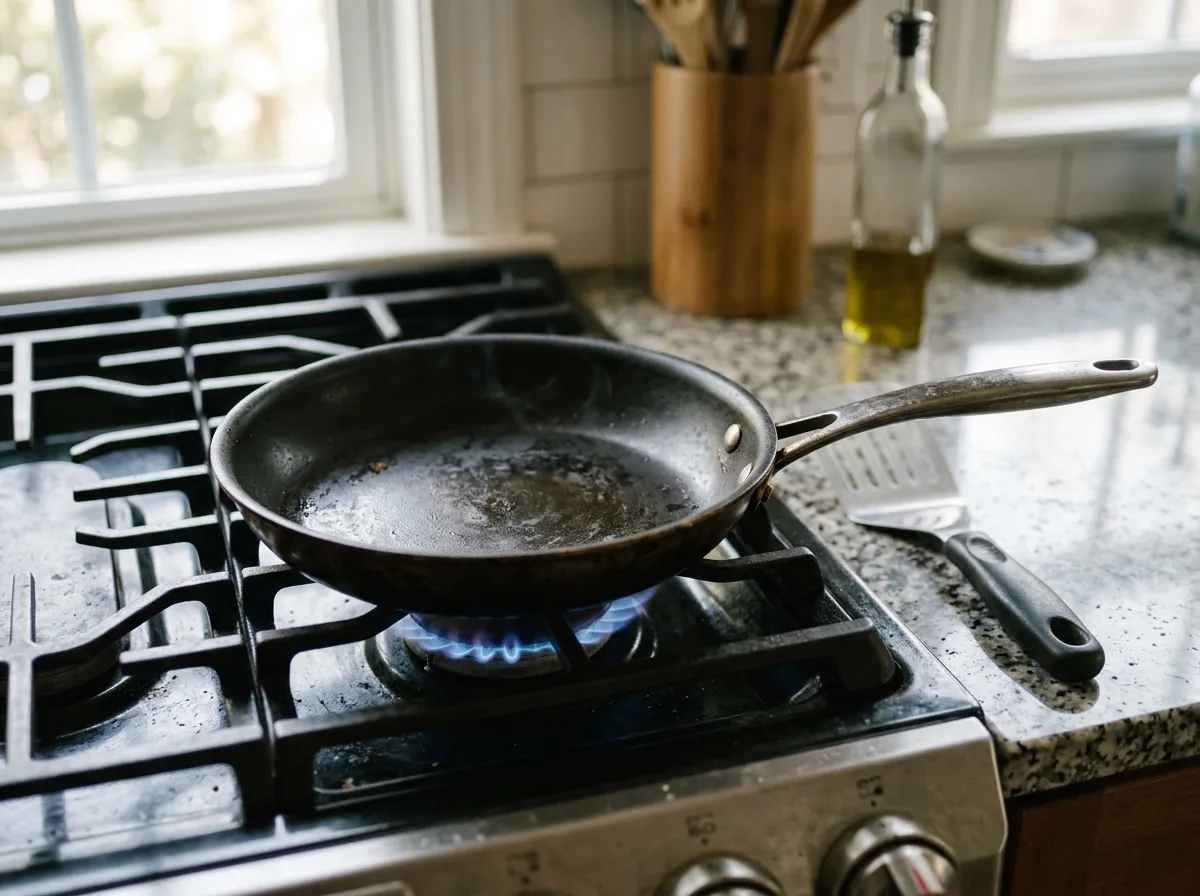
Is non-stick cookware safe? PTFE fumes start above 500F. Scratched pans shed 2.3 million microplastic particles per cook. What the 2022 Flinders study found and the cookware that avoids it.
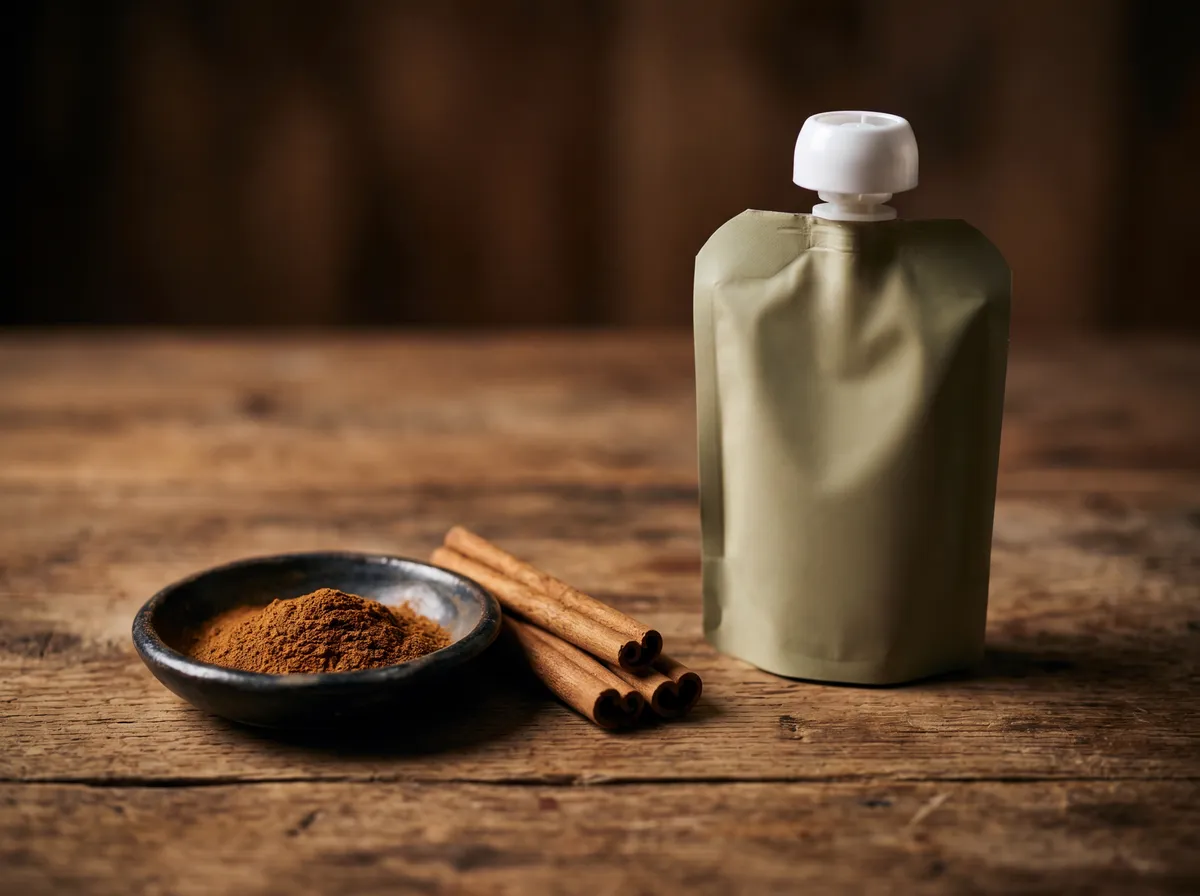
FDA-confirmed recalls of lead-contaminated cinnamon and applesauce pouches from 2023 to 2026. Brands, lot numbers, symptoms, and what parents need to know.
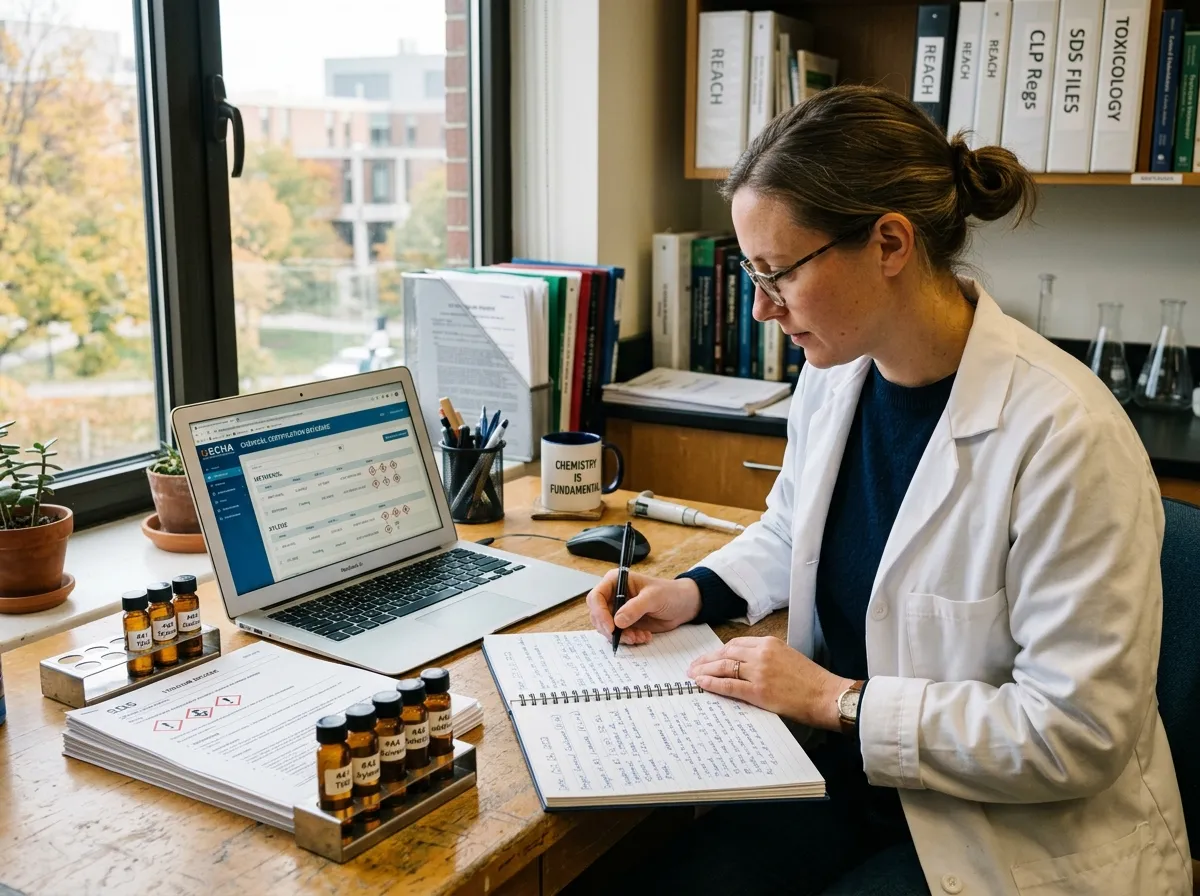
How NonToxicLab evaluates products using primary literature, EPA IRIS, REACH, Prop 65, and a 16-check audit. Every claim ties back to a named source.
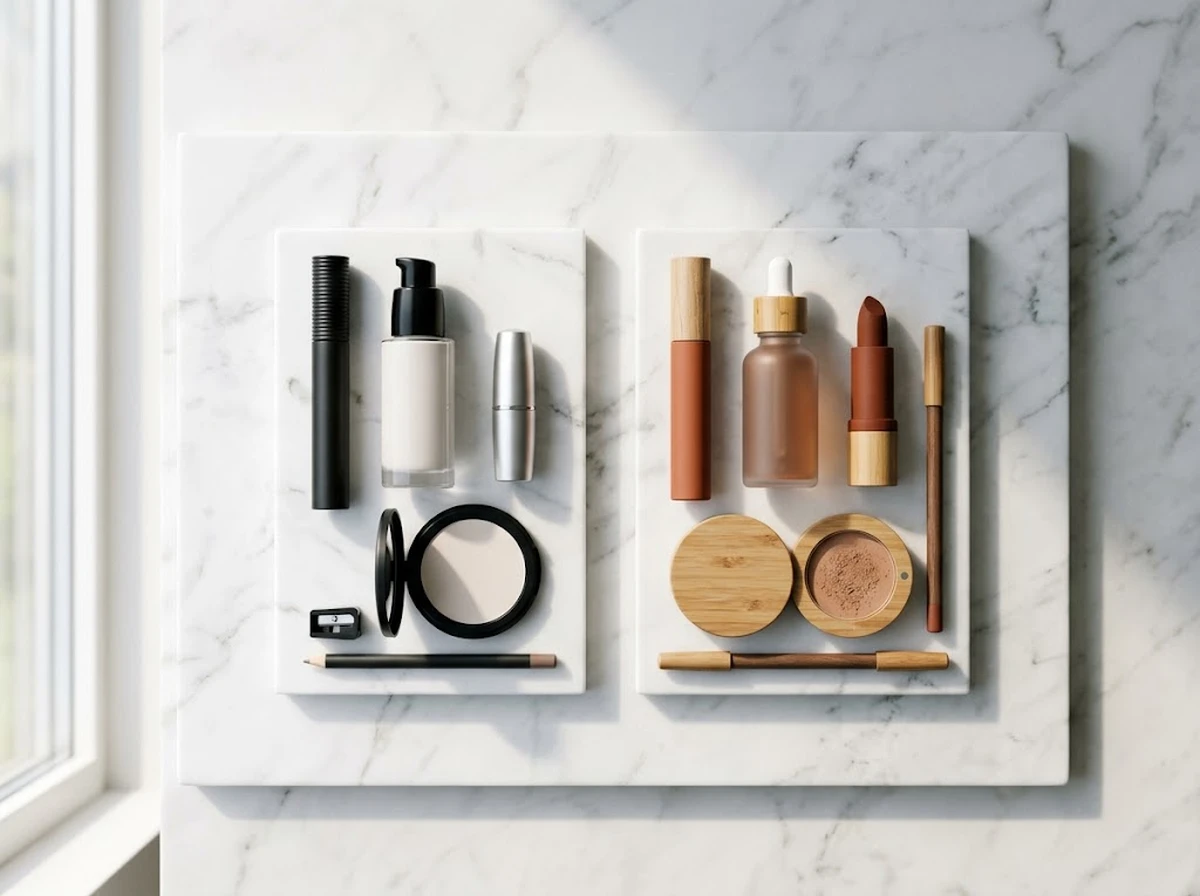
France banned PFAS in cosmetics January 1 2026. The EU is moving toward a universal ban. Here's what's legal in the US but banned there, and what to switch.
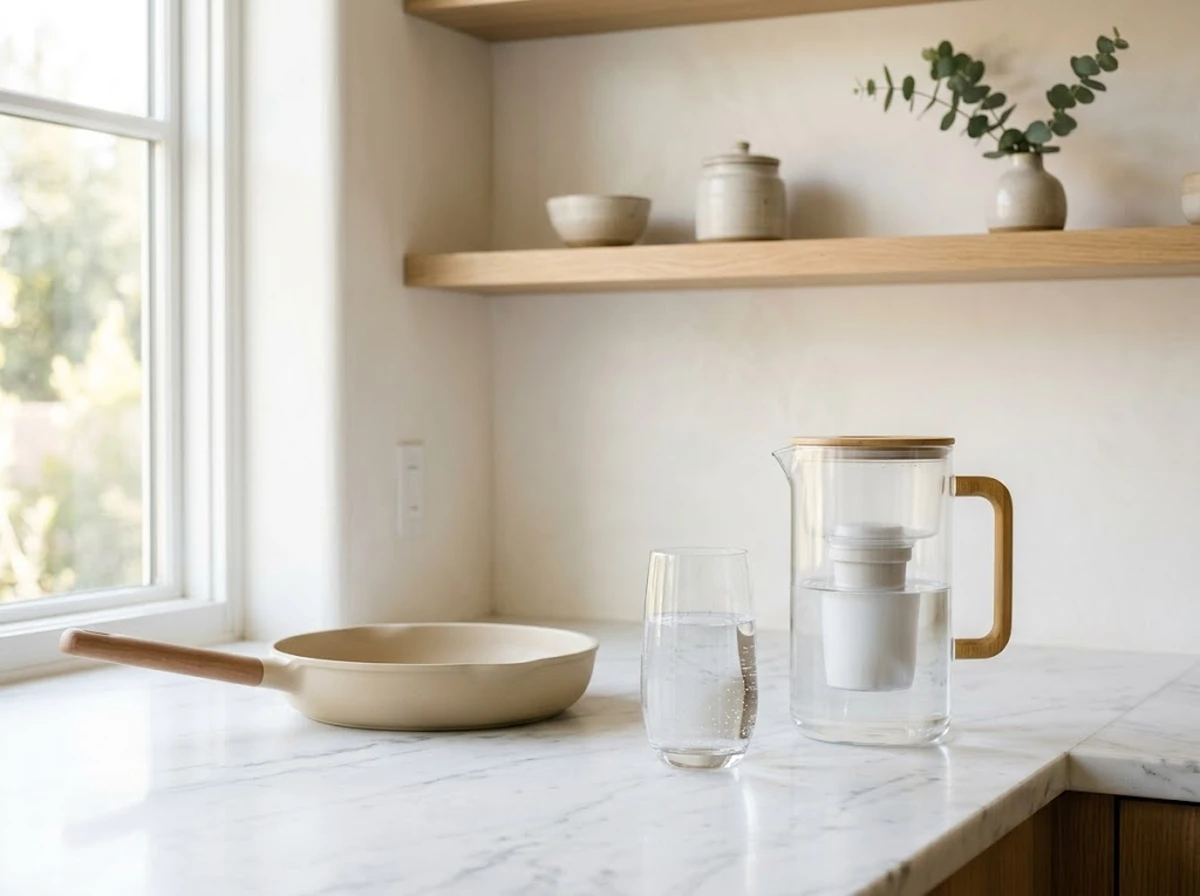
MSU study: people with high PFAS exposure produced 40% fewer COVID antibodies. Here's what that means for your immune system and the swaps that lower your.
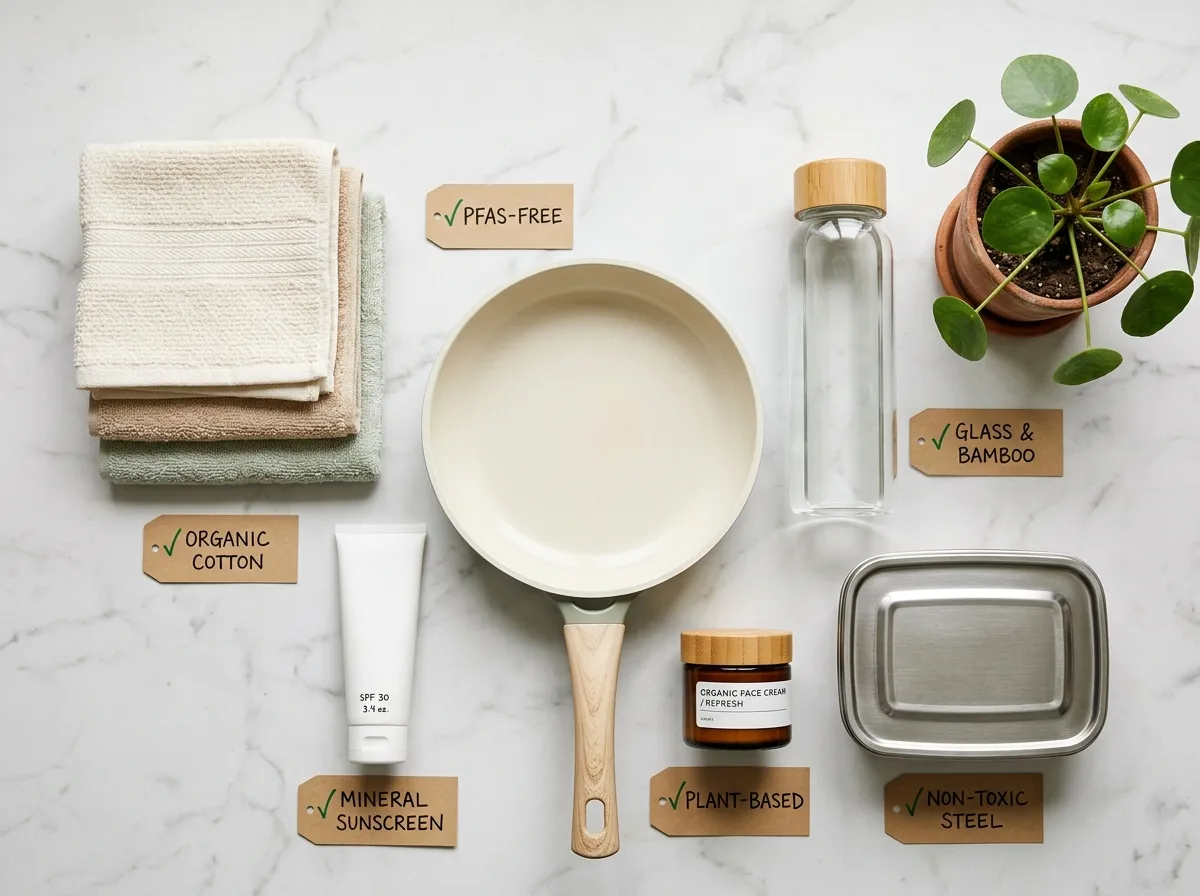
A database of brands that have eliminated PFAS forever chemicals from their products. Organized by category with evidence sources and commitment dates.
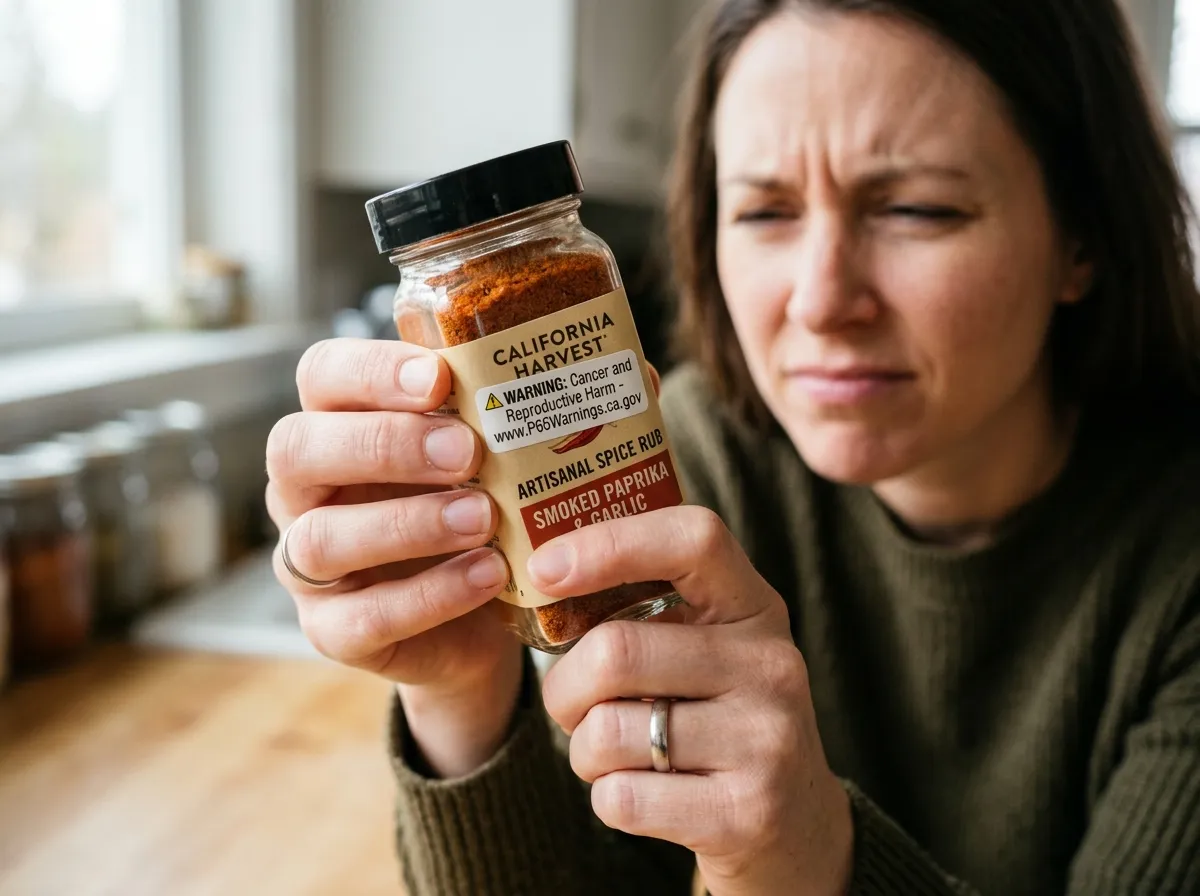
California Prop 65 warnings are on everything from coffee to furniture. Learn which warnings matter, which are meaningless, and how to interpret them for.
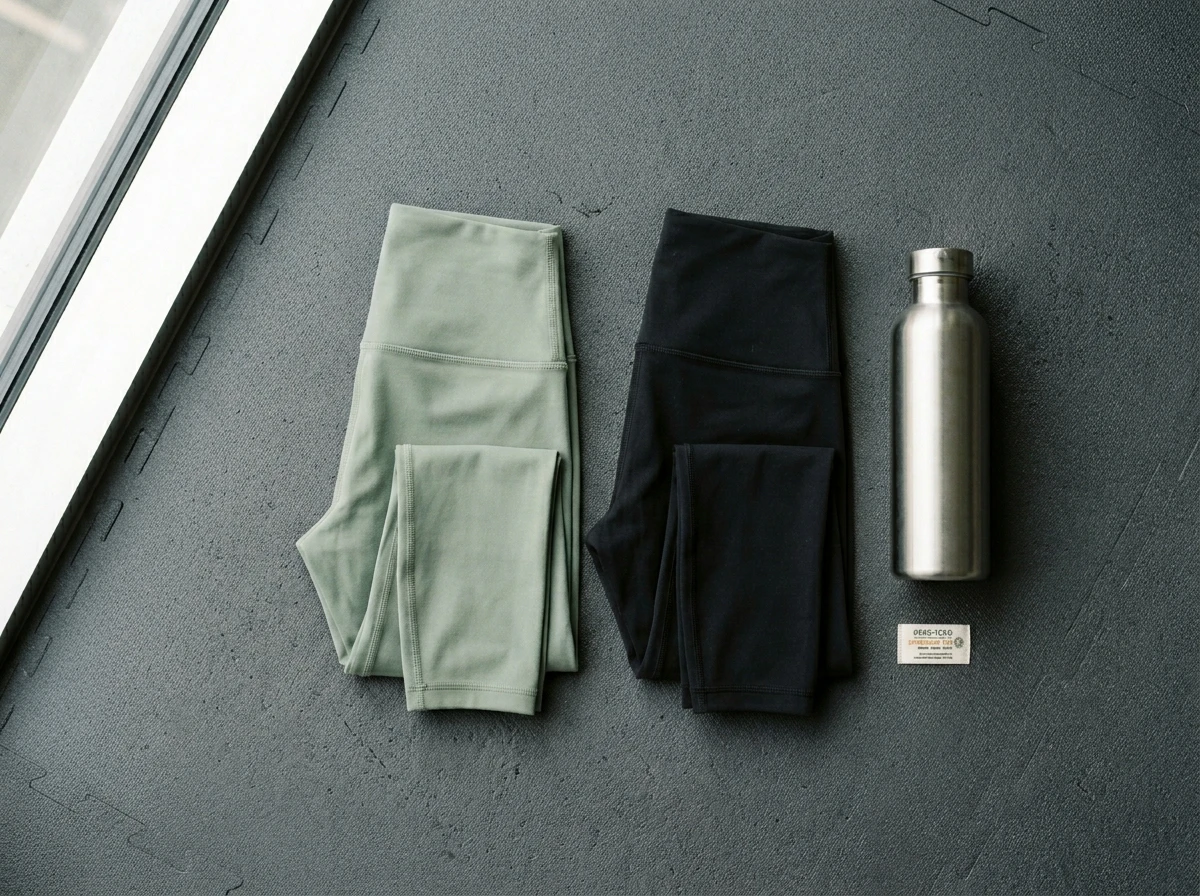
Texas just opened a formal PFAS probe into Lululemon activewear. Here's what the investigation found, how PFAS enter workout clothes, and 5 certified-safe.
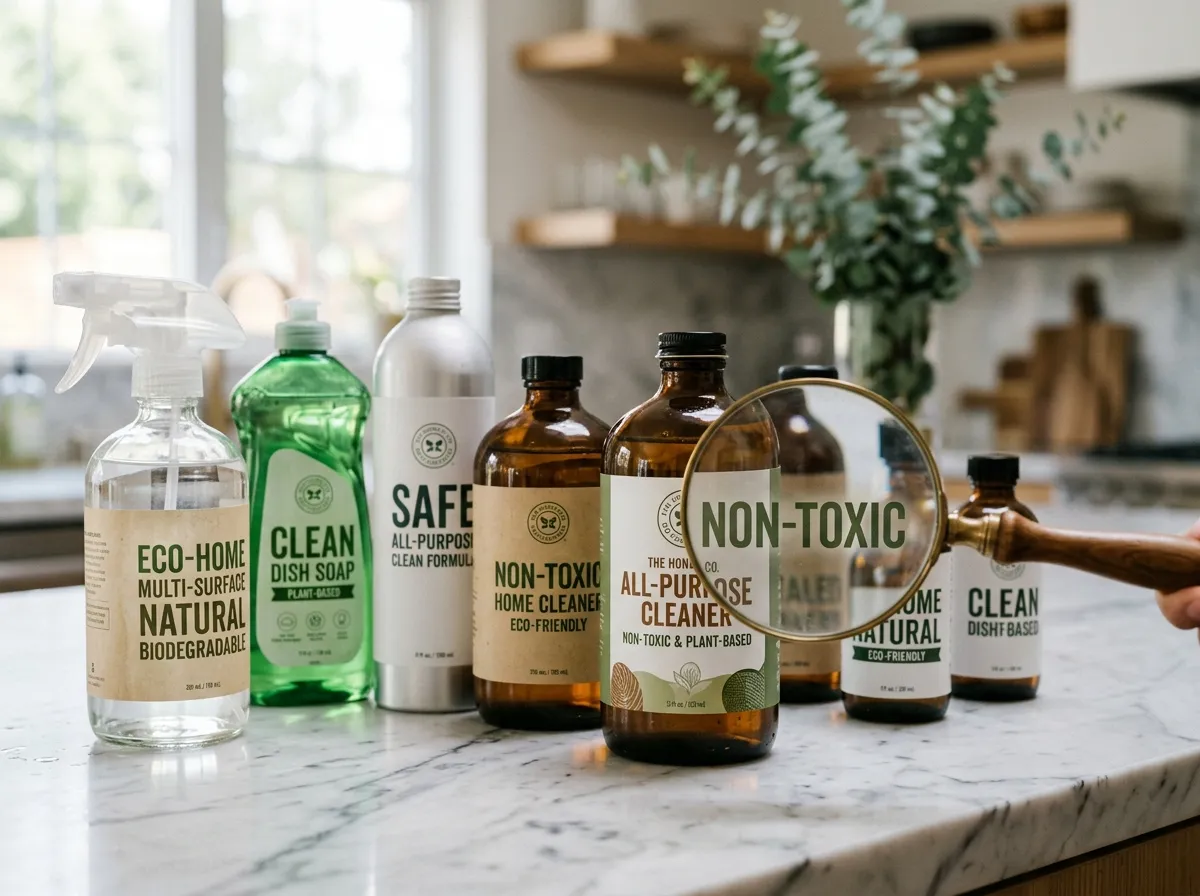
There is no legal definition of non-toxic in the US. Learn what this label really means, how companies exploit the gap, and what to look for instead.
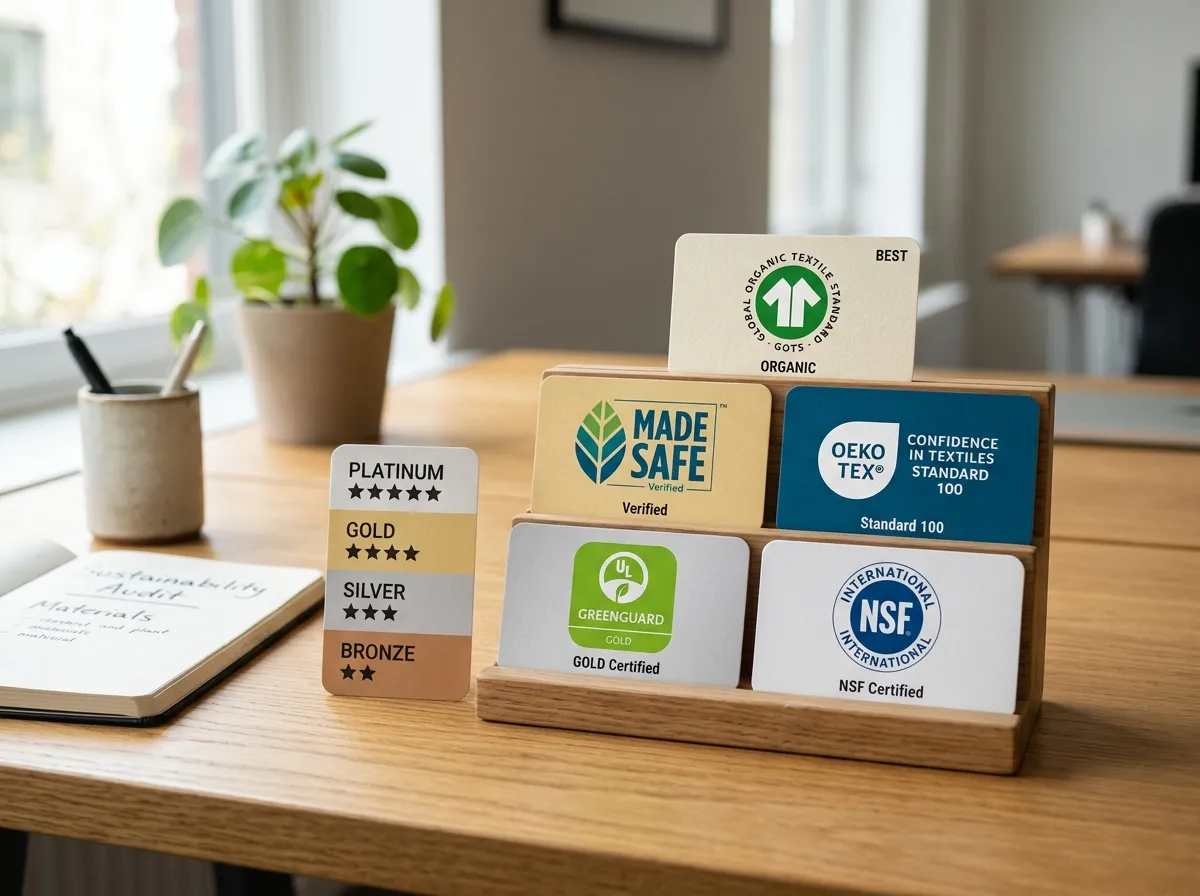
A ranked comparison of every major non-toxic certification including GOTS, OEKO-TEX, GREENGUARD Gold, MADE SAFE, CertiPUR-US, and more. Which labels you can.
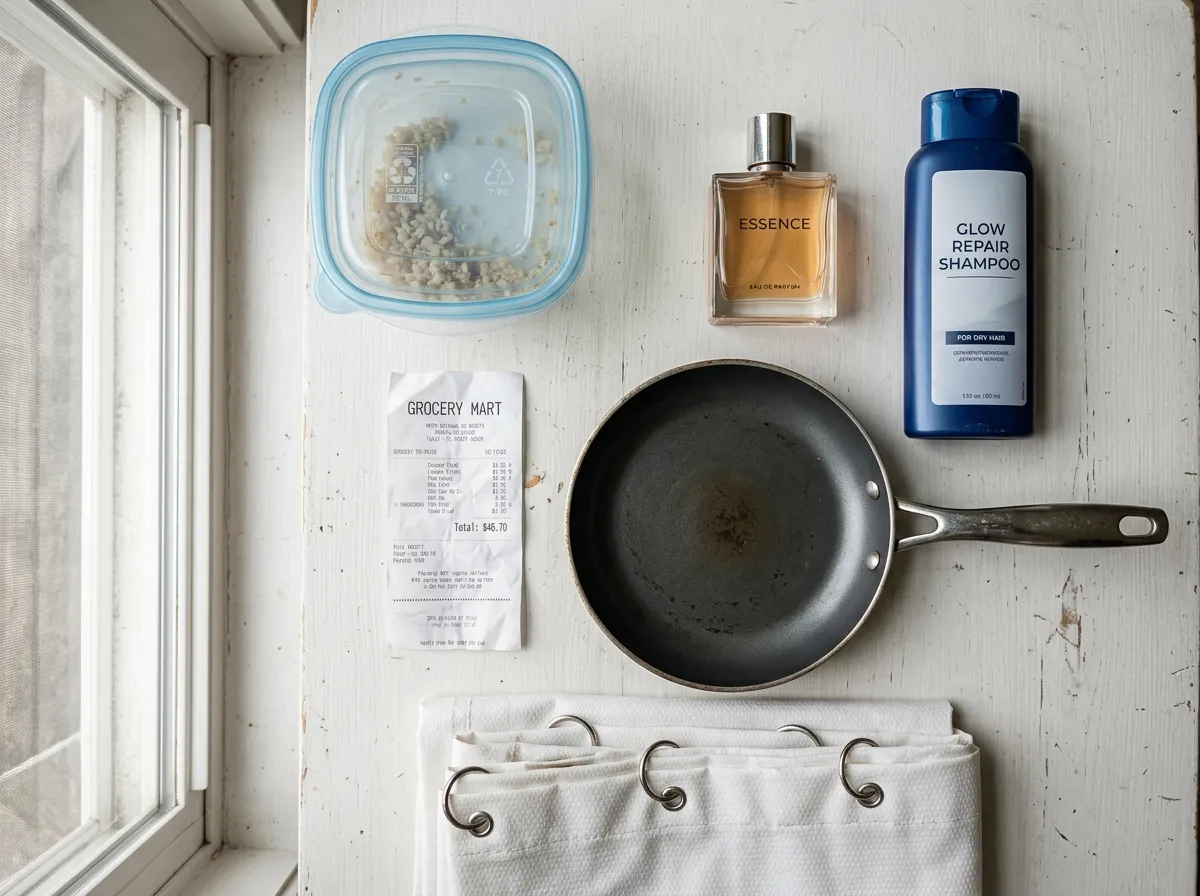
Learn about the 12 major endocrine-disrupting chemicals hiding in your home, their health effects, and practical steps to reduce your exposure.
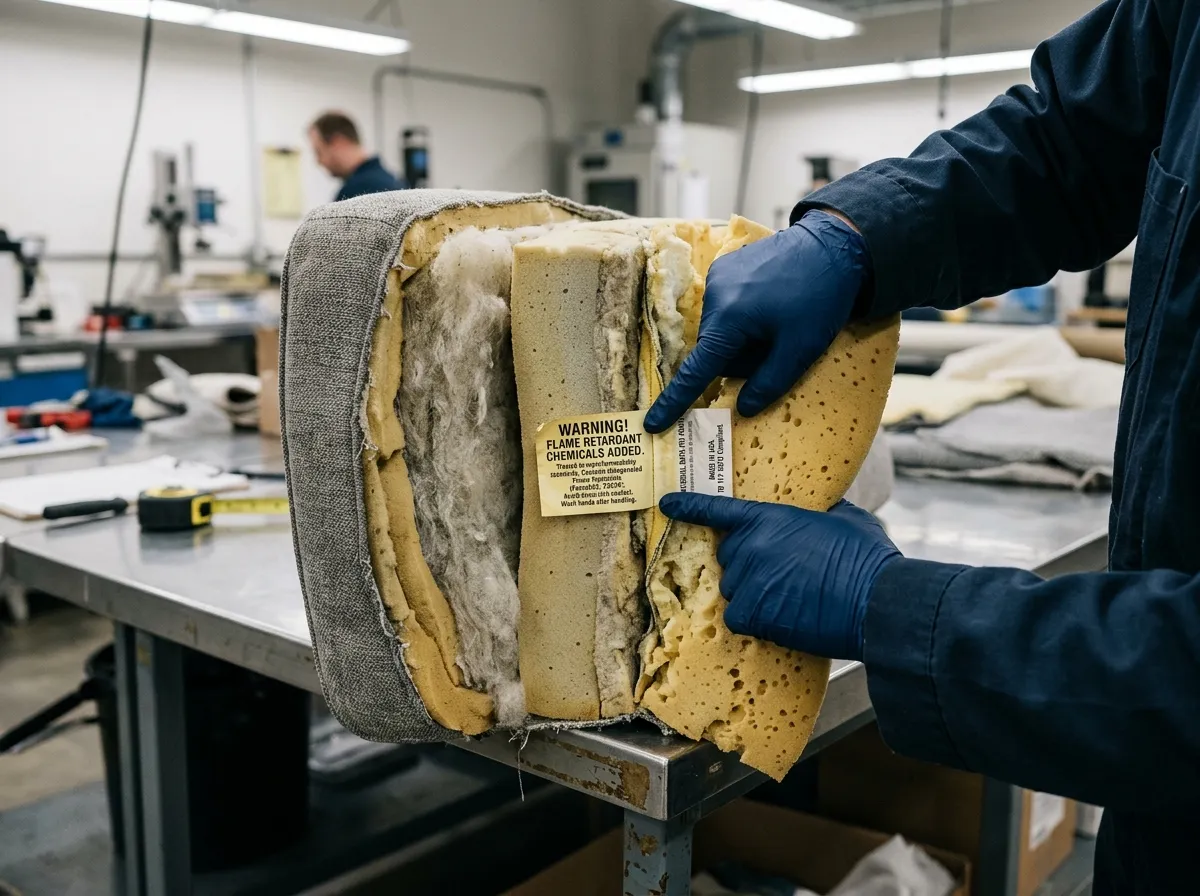
Flame retardants like PBDEs, TDCPP, and TPHP in furniture foam are linked to thyroid harm, cancer, and IQ loss. How to find chemical-free furniture in 2026.
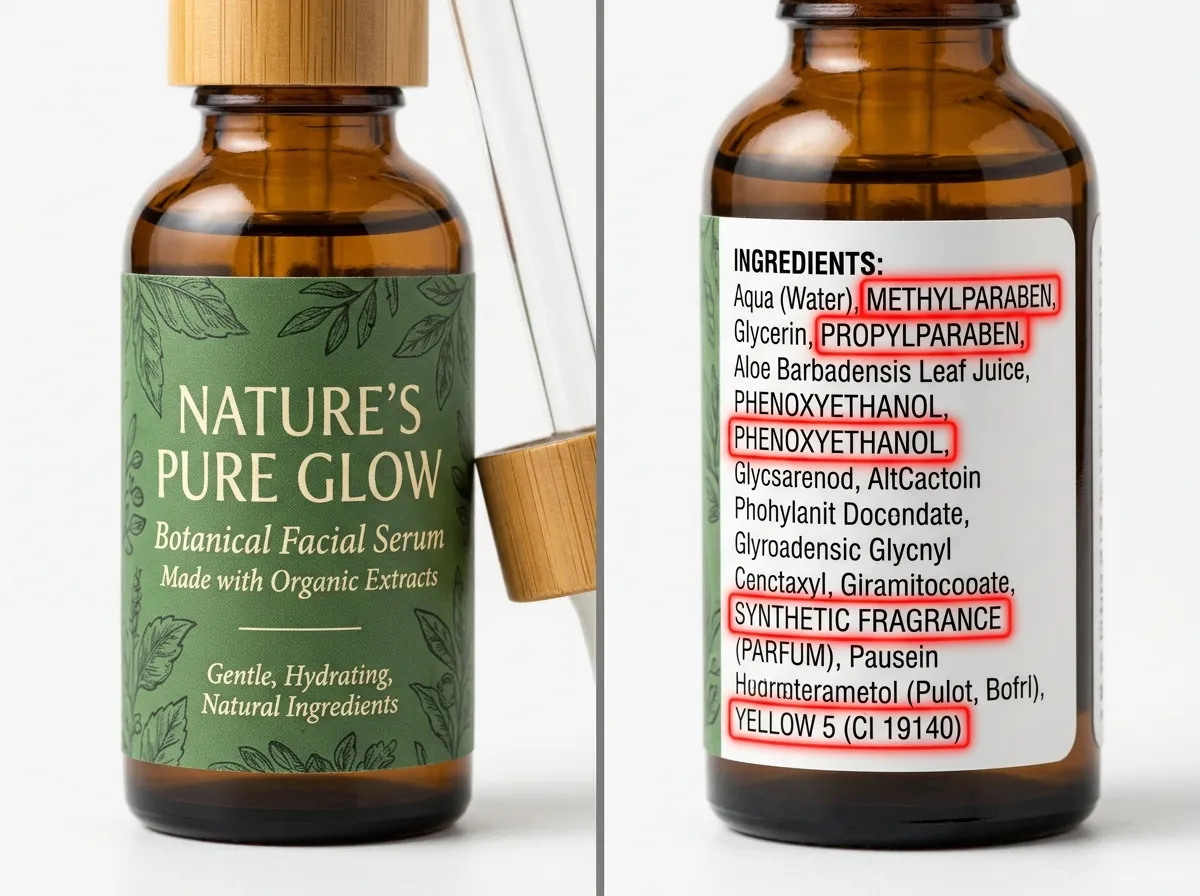
Learn to identify greenwashing in non-toxic products. Spot fake clean, natural, and chemical-free claims with these red flags and verification strategies.
An alphabetical glossary of 200+ toxic chemicals found in household products. Names, aliases, health concerns, and whether to avoid each one.
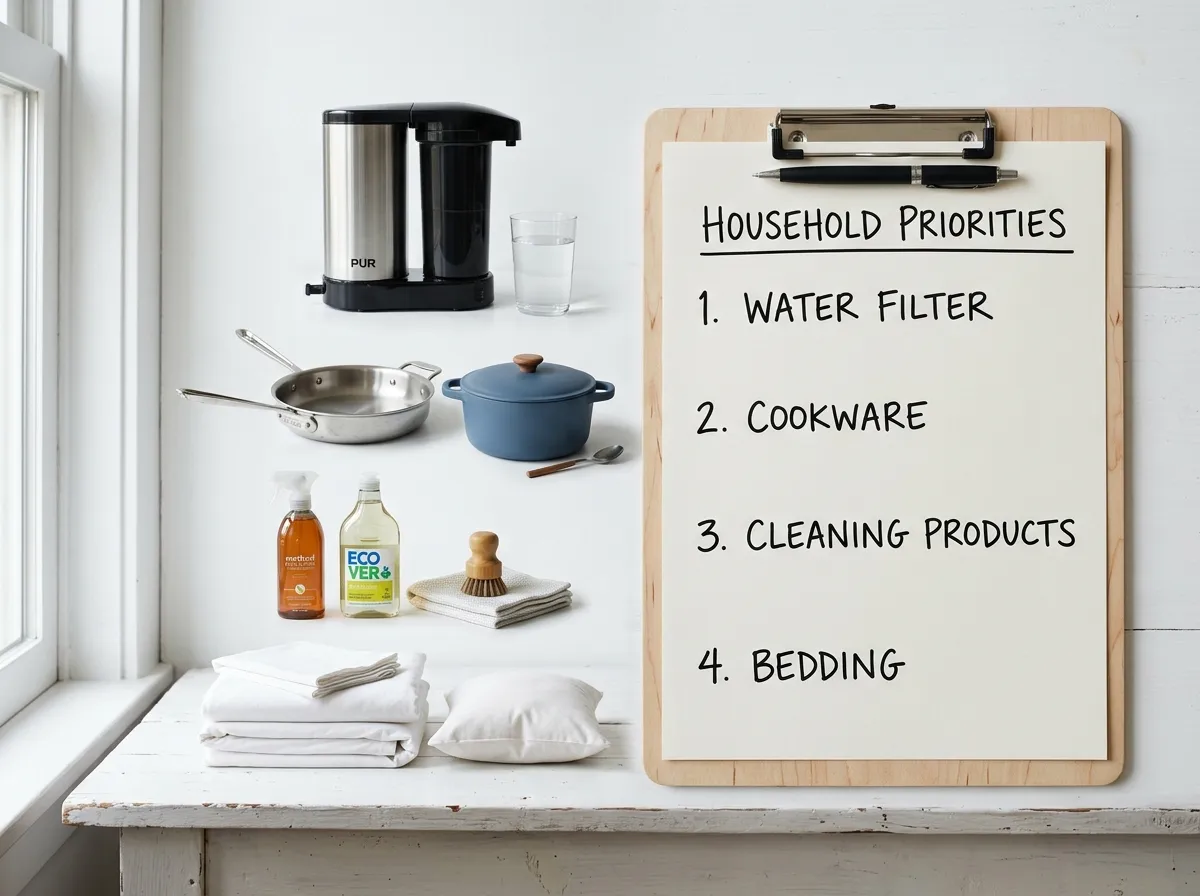
Stop guessing which non-toxic swaps to make first. This evidence-based priority list ranks the 5 product changes that reduce your chemical exposure the.
50 of the most common non-toxic living questions answered with clear, concise guidance. Covers cookware, water, air quality, personal care, cleaning, and more.
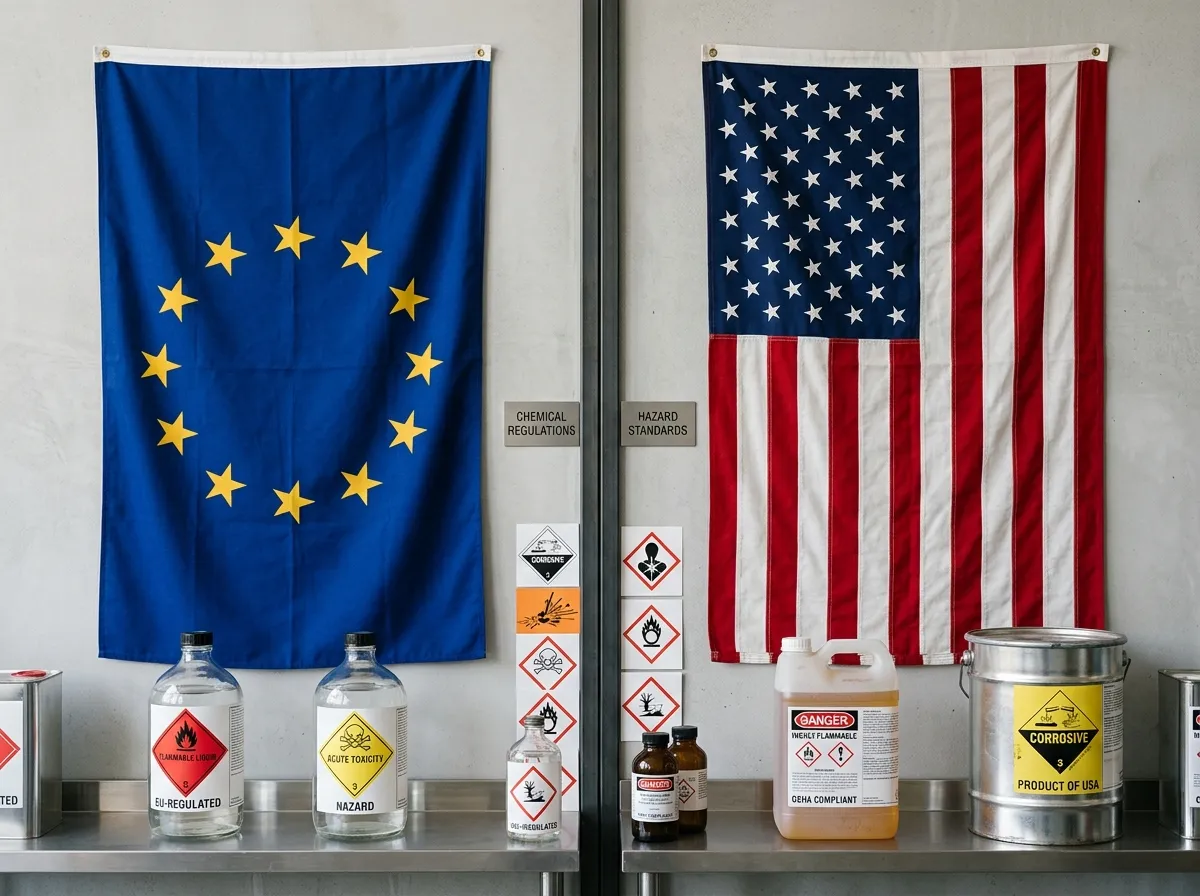
30+ chemicals banned in the EU that remain legal in US products: formaldehyde in cosmetics, parabens, potassium bromate in bread, and more.

Turn your home non-toxic for under $500. Room-by-room swap plan with exact products and prices. Kitchen, bathroom, bedroom, laundry, and personal care covered.
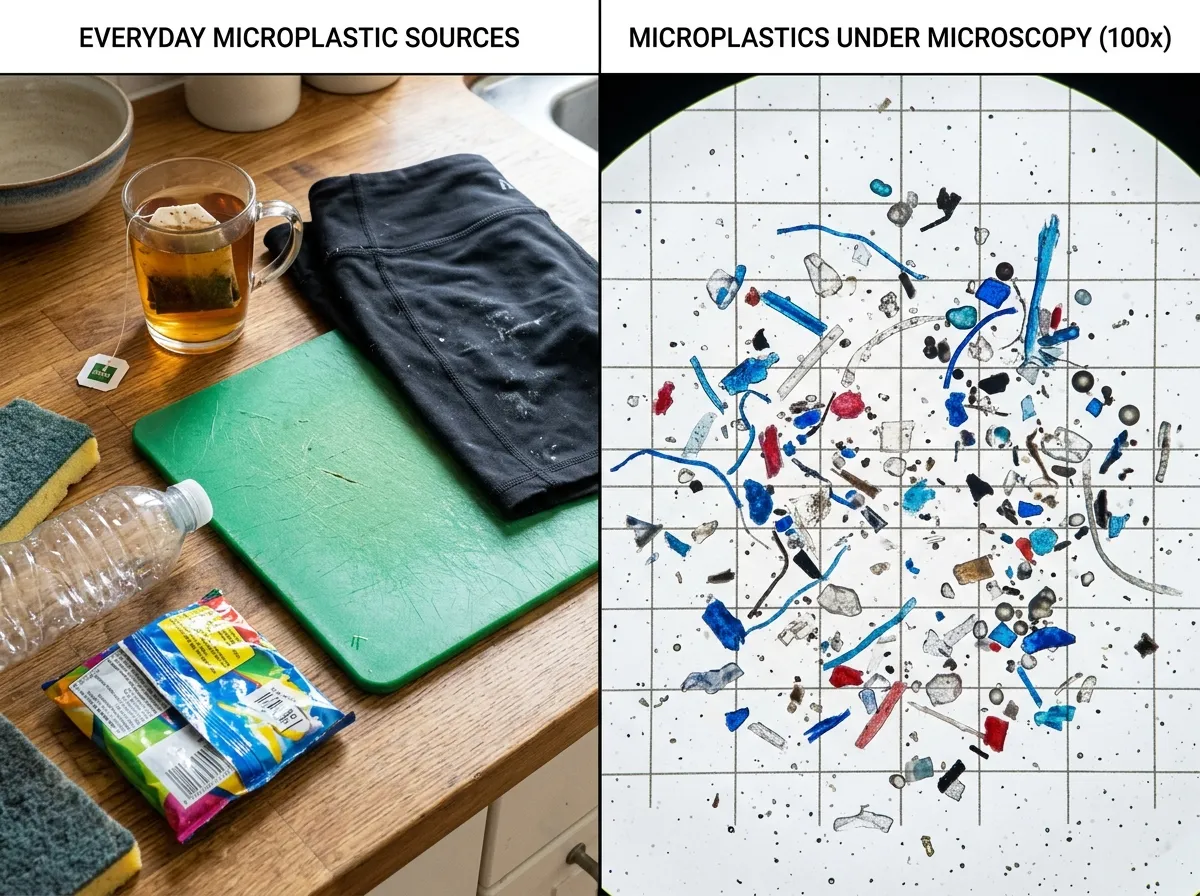
Where microplastics come from inside your home, quantified exposure estimates, the latest health research including the NEJM 2024 study, and room-by-room.
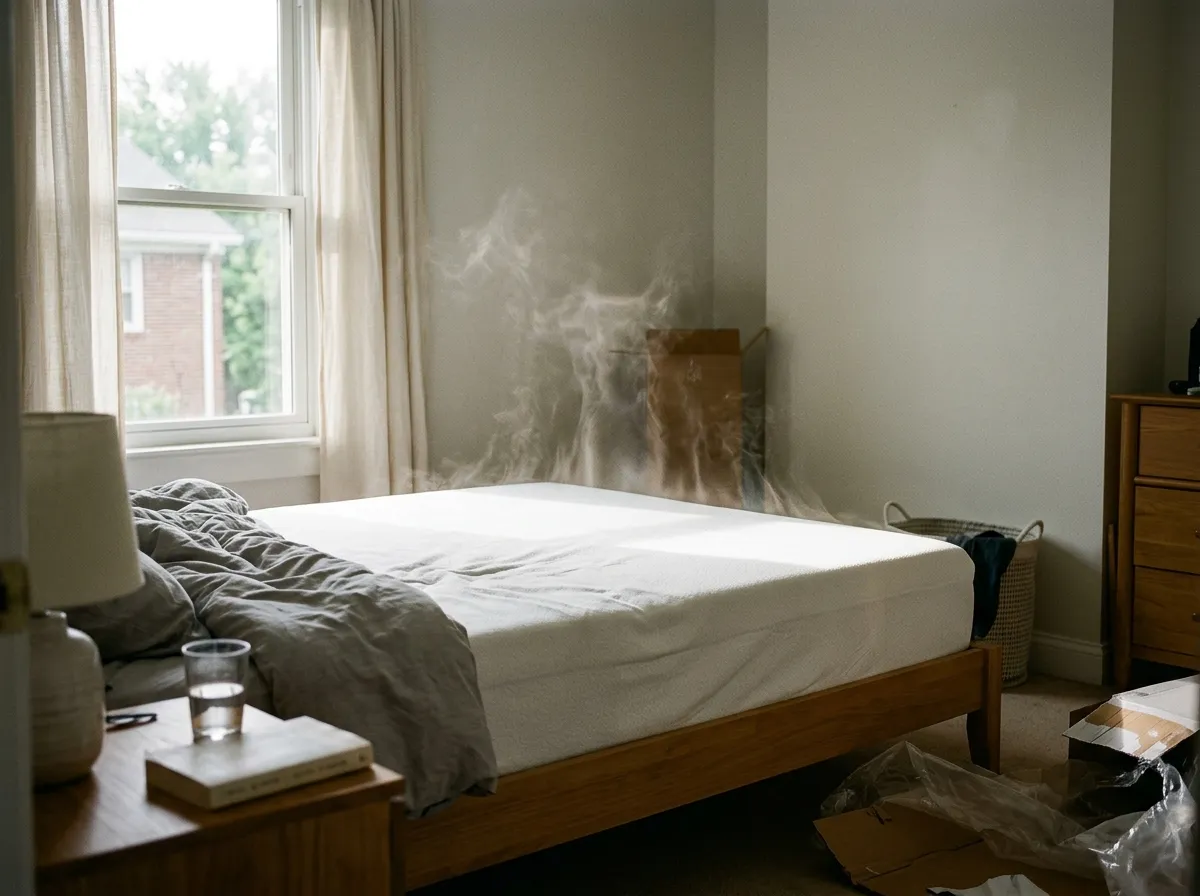
Off-gassing releases VOCs from new products into your air. Learn what causes off-gassing, which products are worst, health effects, and how to speed it up.
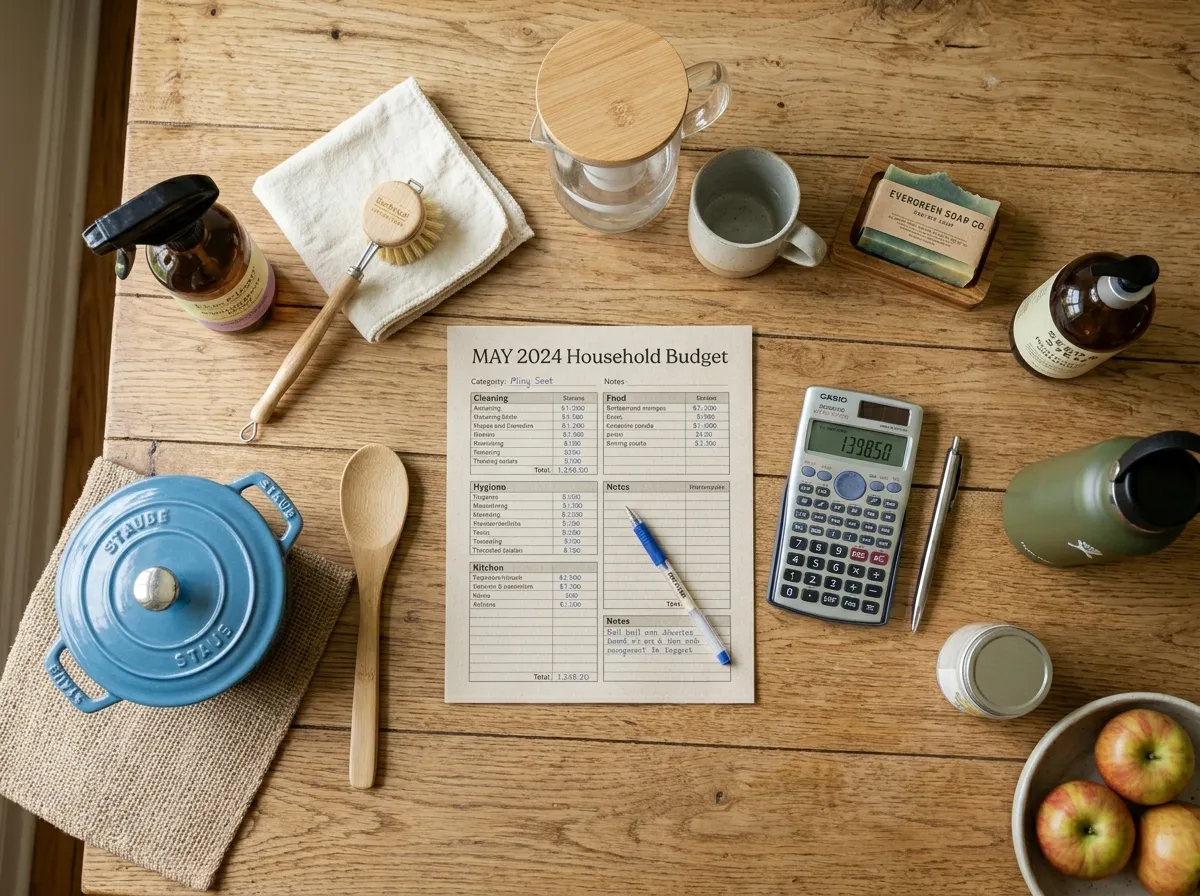
How much does it cost to go non-toxic? Room-by-room price breakdown at budget, mid-range, and premium tiers. Specific product costs for kitchen, bedroom.
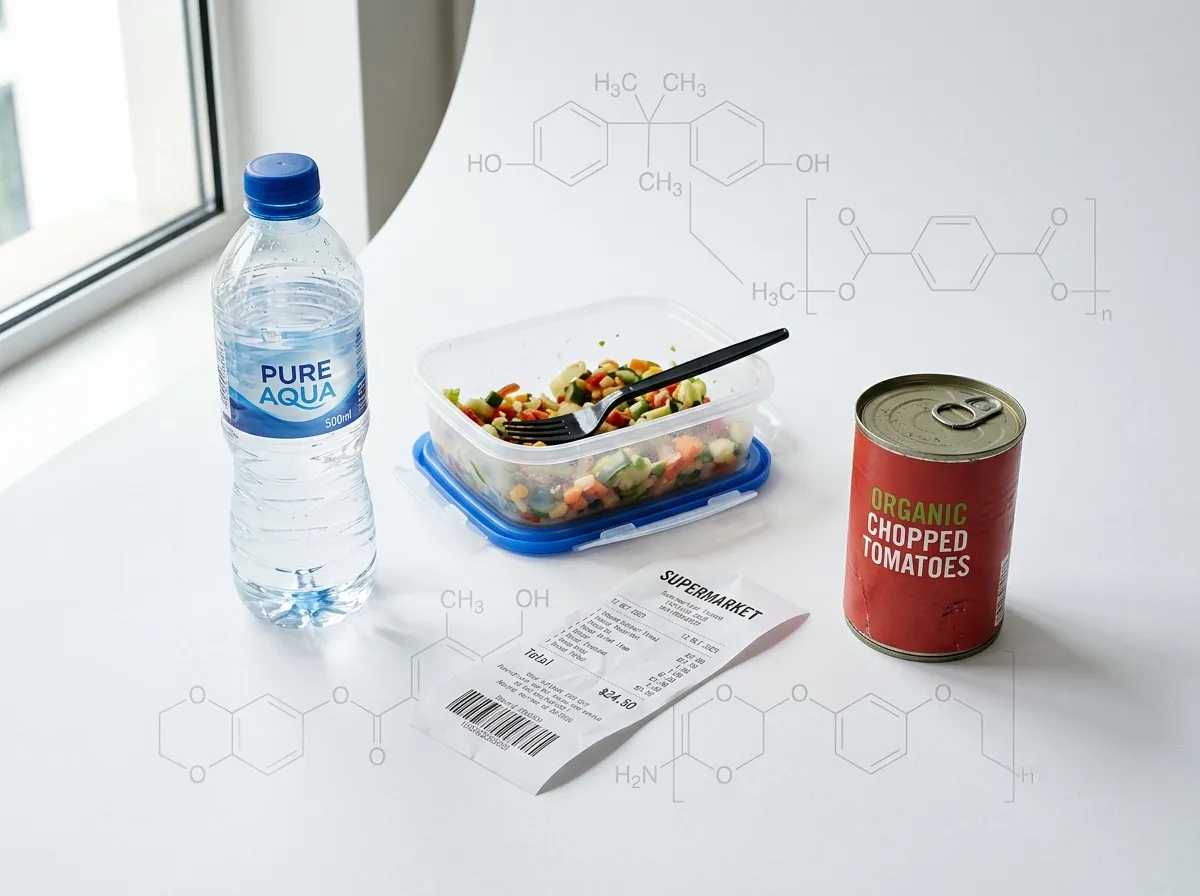
Learn what BPA (bisphenol A) is, where it's found, its health effects as an endocrine disruptor, why BPA-free may not be safer, and practical ways to reduce.
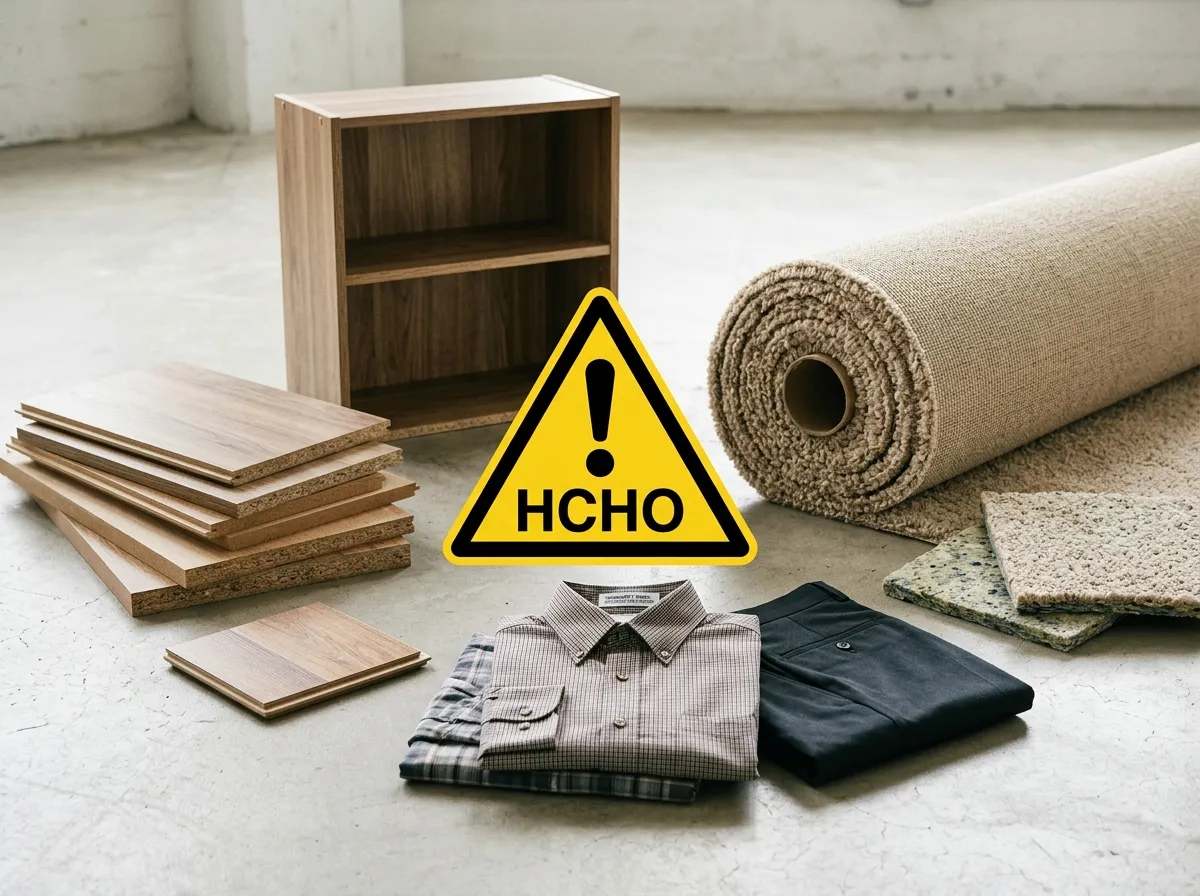
Learn what formaldehyde is, where it hides in your home, its health effects, and practical ways to reduce your exposure from furniture, flooring, and.
A product guide for people with Multiple Chemical Sensitivity (MCS). Fragrance-free, minimal-ingredient products across personal care, cleaning, bedding.
Phthalates are endocrine disruptors hiding in fragrance, vinyl, food packaging, and personal care products. Learn where they are and how to avoid them.
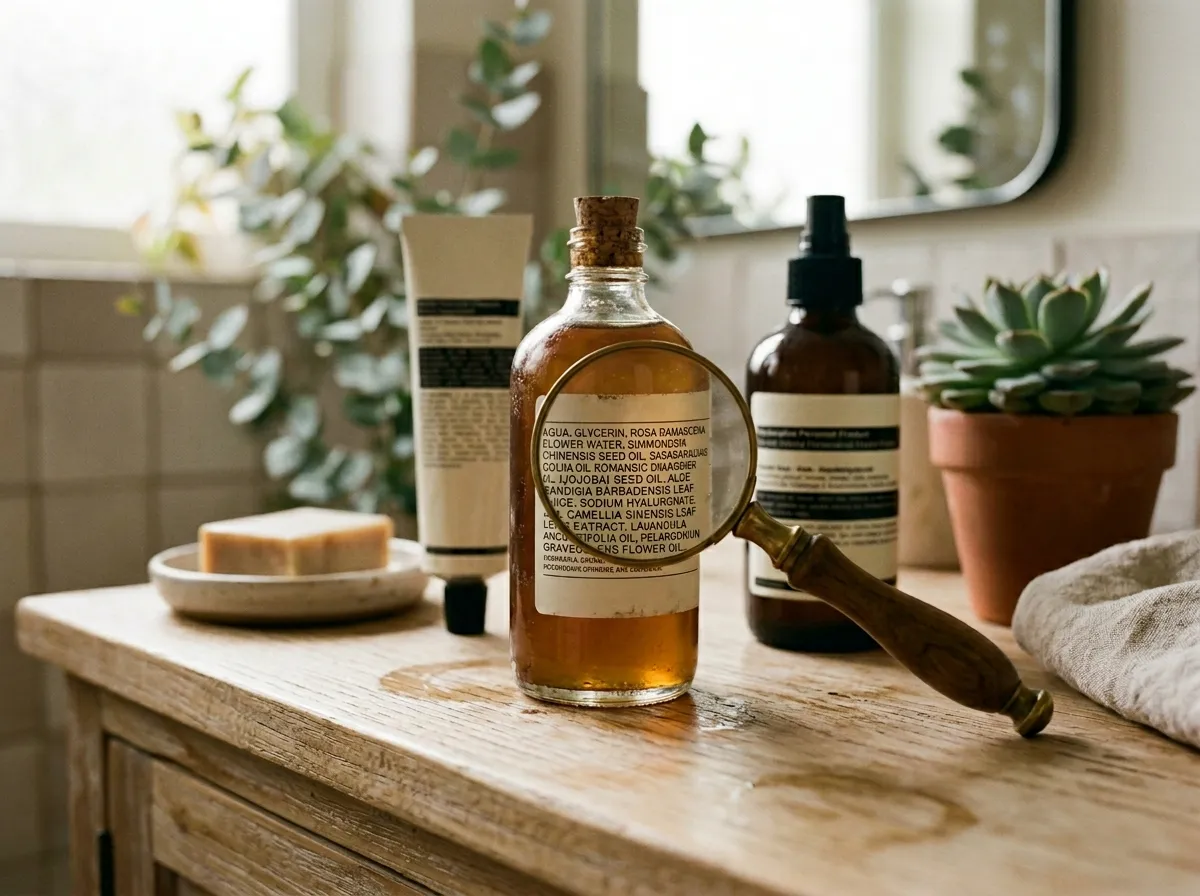
Parabens are estrogen-mimicking preservatives in shampoo, lotion, and cosmetics. Learn how to identify them, health risks, and safer alternatives.
VOCs (volatile organic compounds) hide in paint, furniture, cleaners, and air fresheners. Learn what they are, health effects, and how to reduce exposure.

The complete guide to toxic chemicals in everyday products: PFAS, BPA, phthalates, parabens, VOCs, formaldehyde, flame retardants, and more.
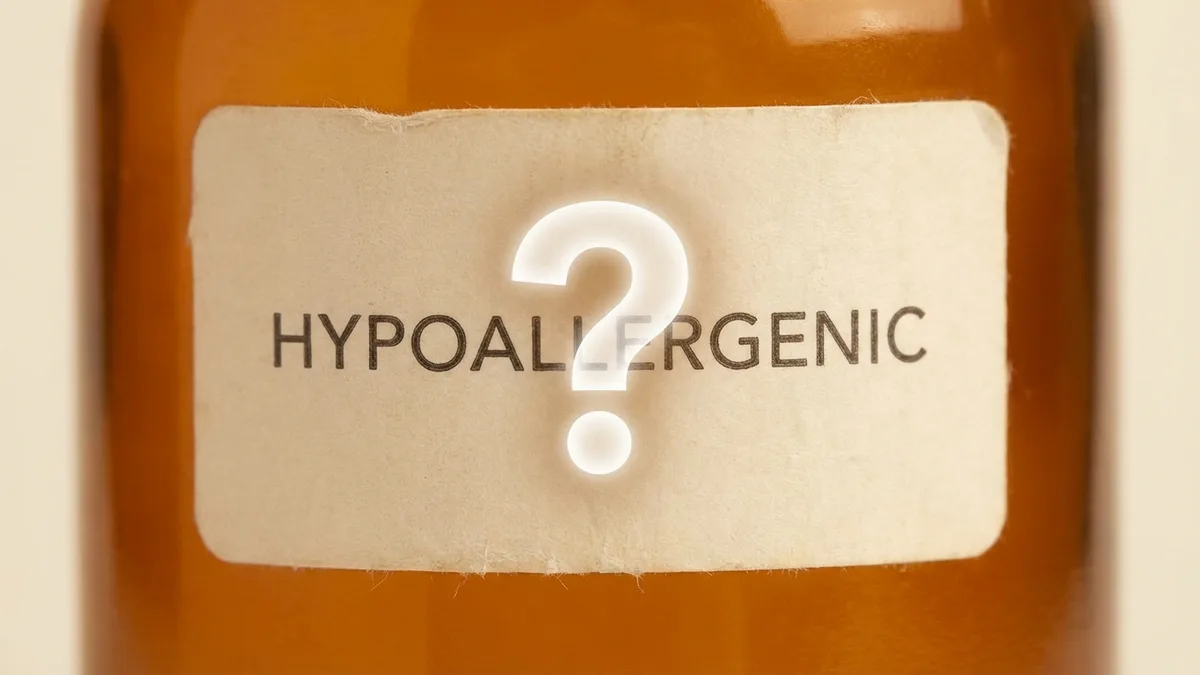
Hypoallergenic, natural, clean, eco-friendly: none of these terms are regulated on product labels. Learn which marketing claims have legal definitions and.
Where PFAS forever chemicals are hiding in your home and body: water, cookware, food packaging, clothing, cosmetics, furniture. How to reduce exposure.
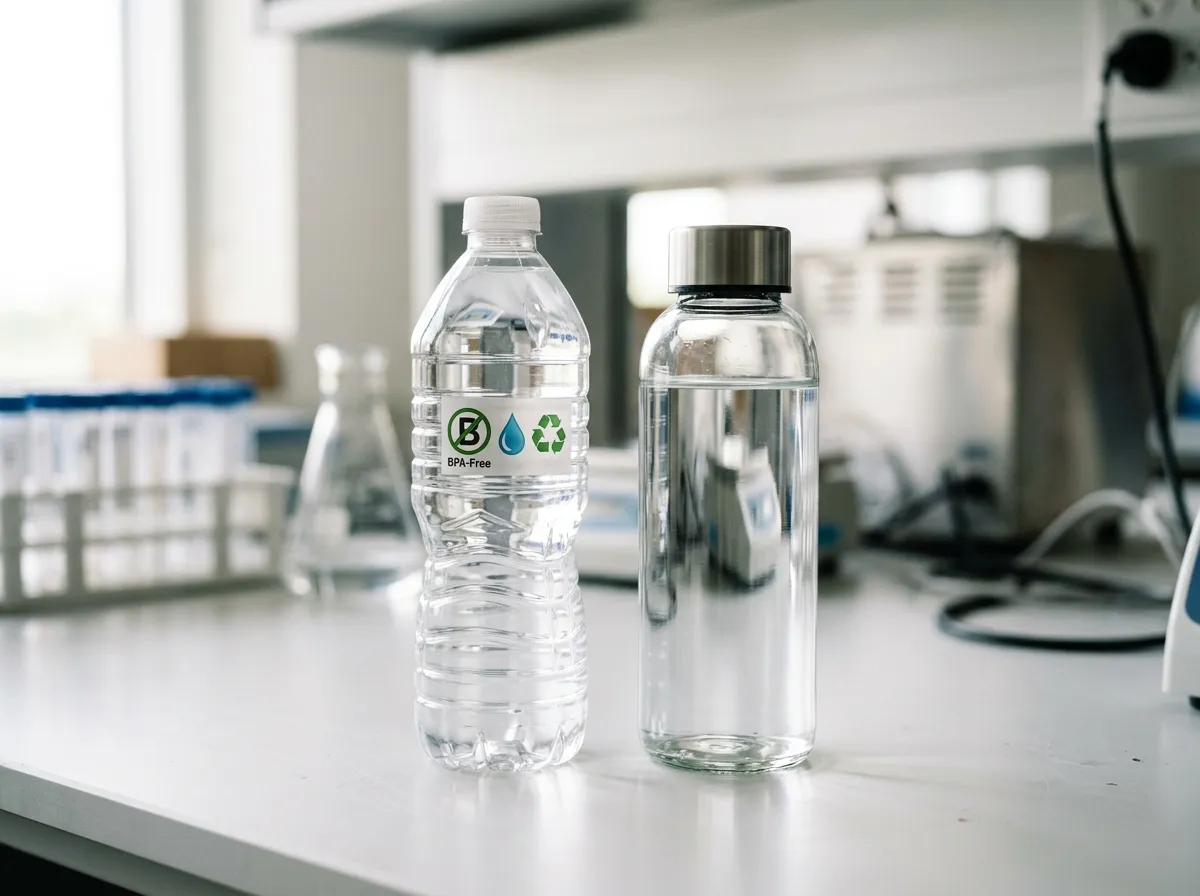
BPA-free products often contain BPS, BPF, and other chemicals that are equally harmful. Here's what the science says and what to use instead.
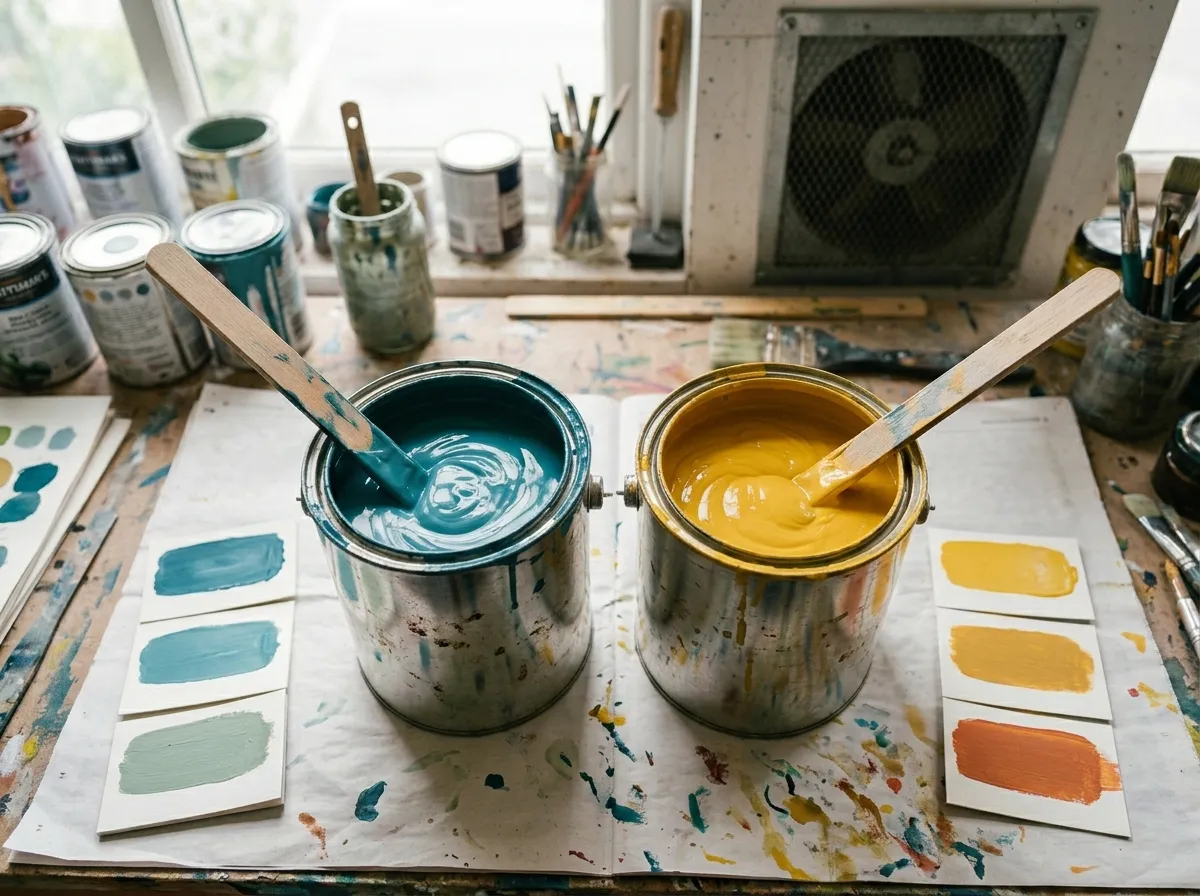
Low VOC vs zero VOC paint explained clearly. What the EPA numbers mean, how tinting adds VOCs, and when low-VOC is good enough for your project.
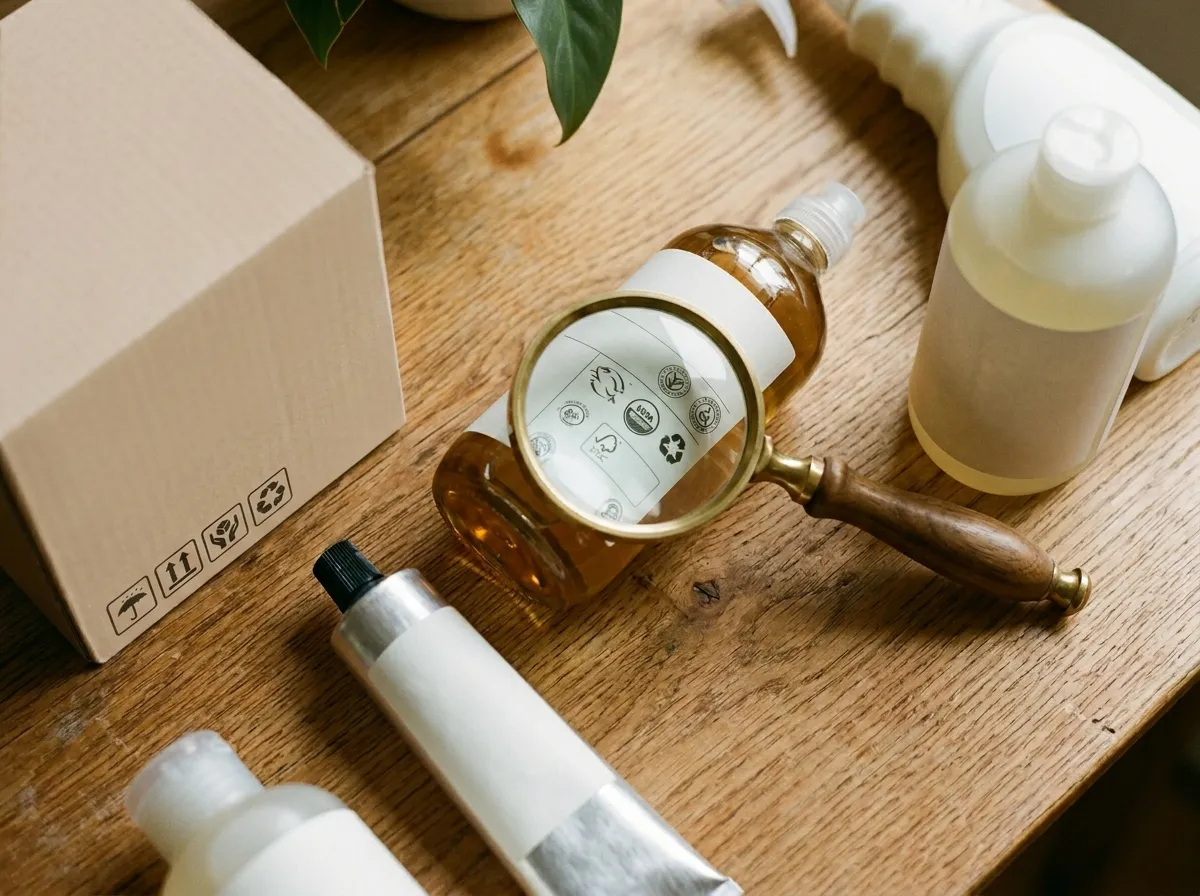
Every non-toxic certification explained: GOTS, OEKO-TEX, GREENGUARD Gold, MADE SAFE, CertiPUR-US, EWG Verified, and more. What each tests, what it misses.
How to reduce PFAS forever chemicals in your body based on actual research. PFAS half-life, blood donation studies, cholestyramine, fiber intake, and.
Does sweating detox your body? The honest science on what sweat actually contains, what the research shows about heavy metals and BPA in sweat, and.

The average home has 62+ toxic chemicals. This room-by-room guide shows you exactly how to remove them, what to swap first, and a 30-day action plan to get.
White vinegar kills some bacteria but fails against many dangerous pathogens. Learn what vinegar can and can't do, and when you need something stronger.
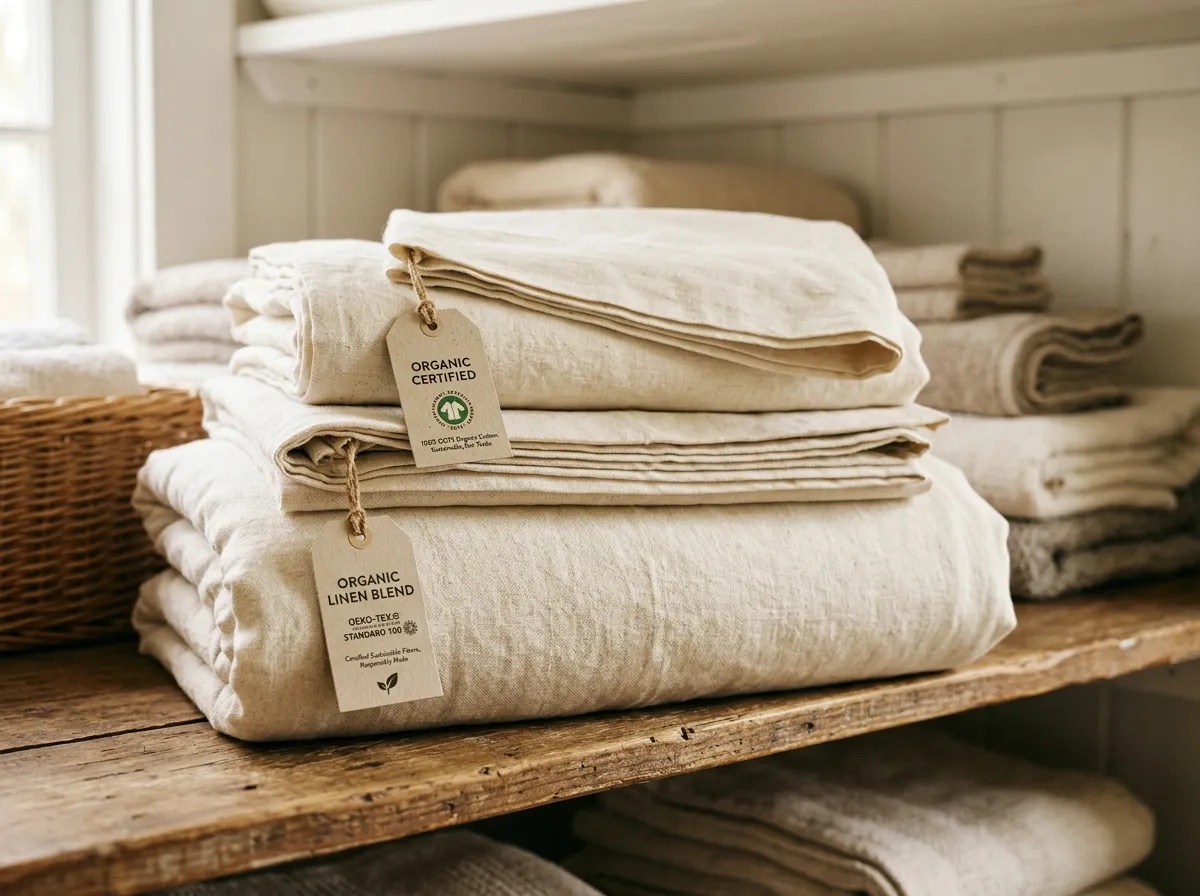
GOTS vs OEKO-TEX vs GOLS certifications explained. What each actually tests, their limitations, which bedding products carry them, and how to verify.

Track which states have banned PFAS, flame retardants, phthalates, and other toxic chemicals. Updated for 2026 with the latest legislation and effective dates.
The Toxic Substances Control Act grandfathered over 60,000 chemicals onto the market without testing. Learn how TSCA works, its failures, and what changed.

Bamboo charcoal bags are marketed as natural air purifiers. Here's what the science says about whether they actually remove pollutants, odors, and VOCs.
The FDA doesn't approve cosmetics before they're sold and can't recall unsafe products. Learn about the regulatory gaps that leave consumers unprotected.
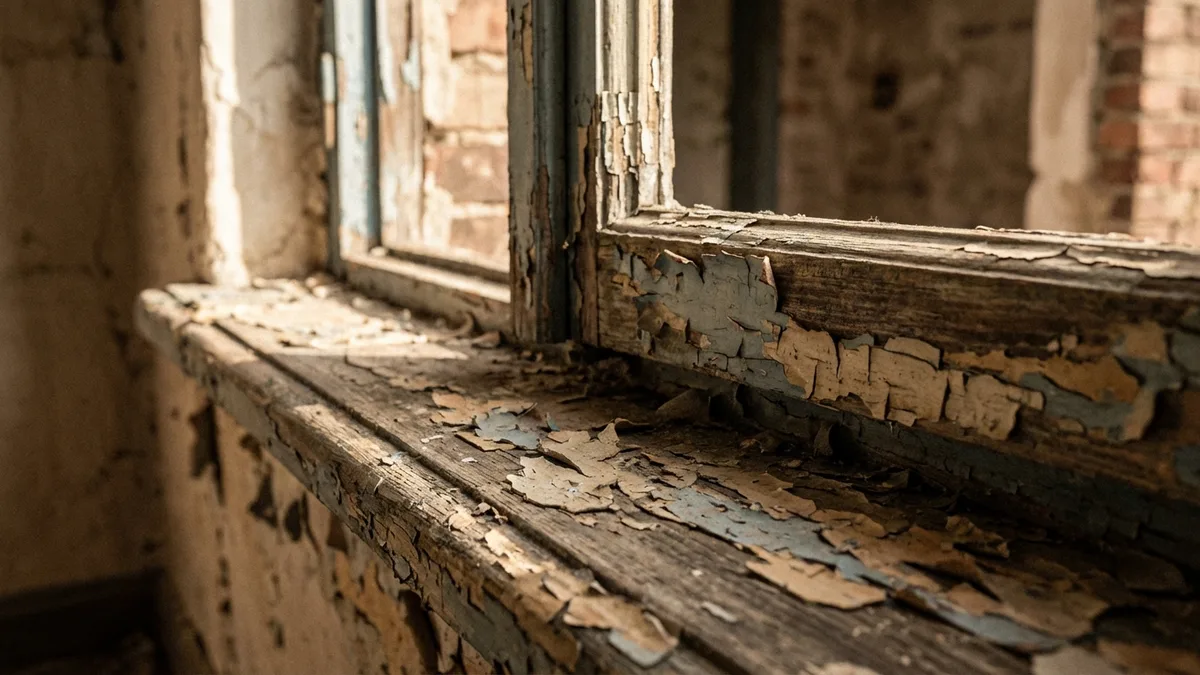
Homes built before 1978 likely contain lead paint. Learn how to test for it, understand the health risks, and safely handle renovation or removal.
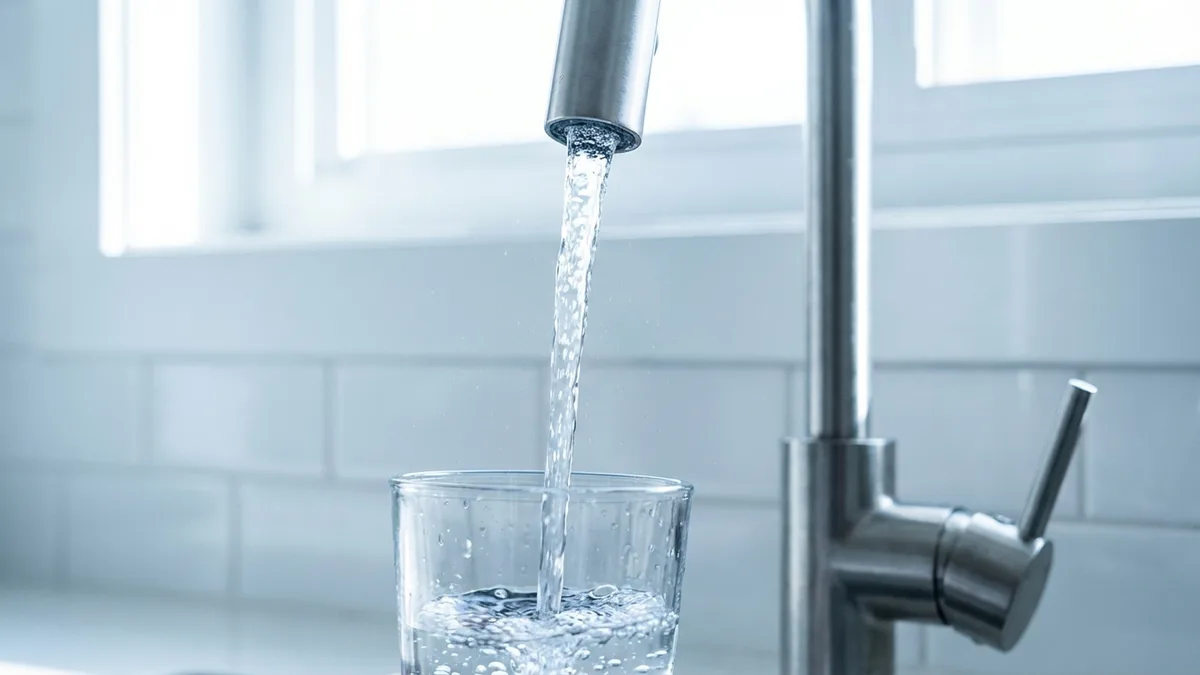
Chlorine and chloramine disinfect your tap water but create byproducts linked to health risks. Learn the differences, health effects, and how to filter them.
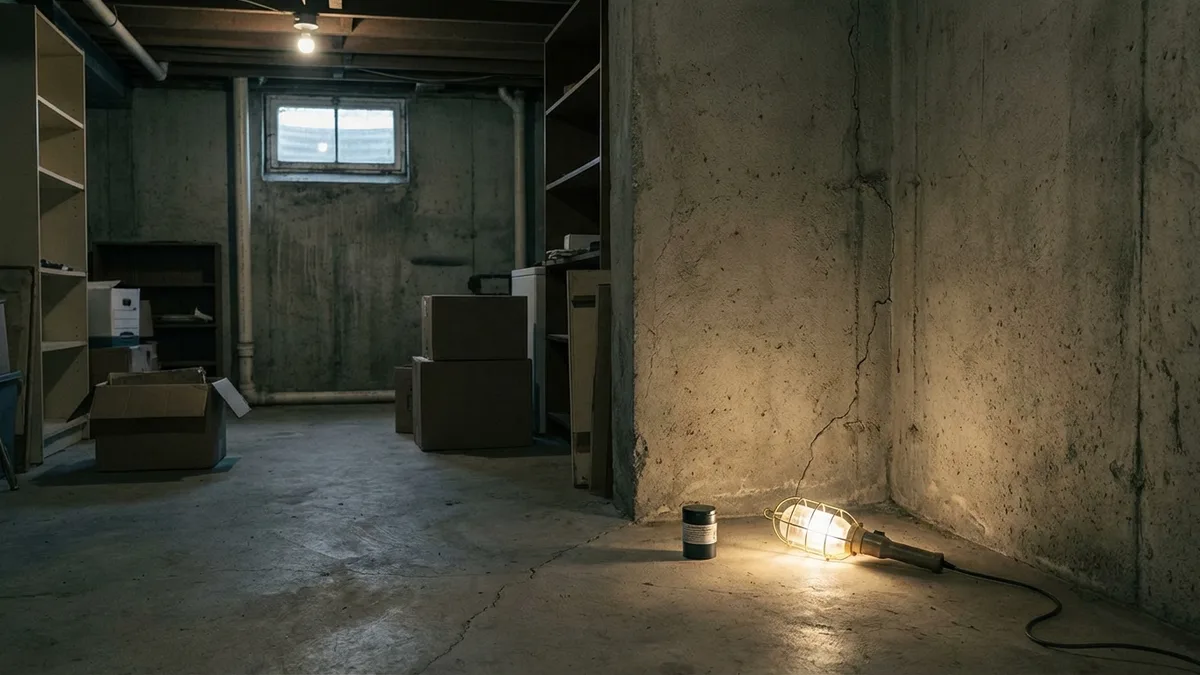
Radon is the #1 cause of lung cancer in non-smokers. Learn how to test your home, what levels are dangerous, and how mitigation systems work.
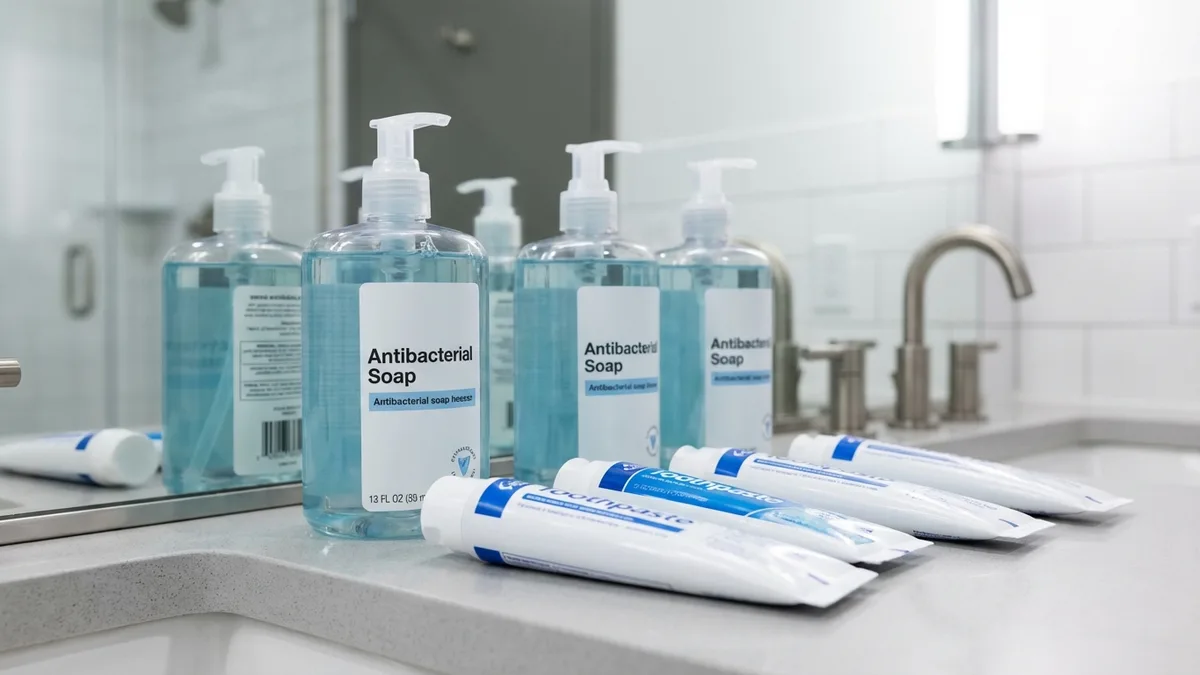
Triclosan was banned from antibacterial soaps in 2016, but it's still in toothpaste, cosmetics, and household products. Learn where it hides and why it matters.
Where heavy metals like lead, cadmium, and arsenic hide in everyday consumer products, the health risks at low-level exposure, and how to reduce your.
What are sulfates SLS and SLES, where they're found, what the science says about safety, the 1,4-dioxane contamination concern, and when sulfate-free.
Learn what 'fragrance' really means on product labels, why companies don't disclose ingredients, what health effects are linked to synthetic fragrance, and.
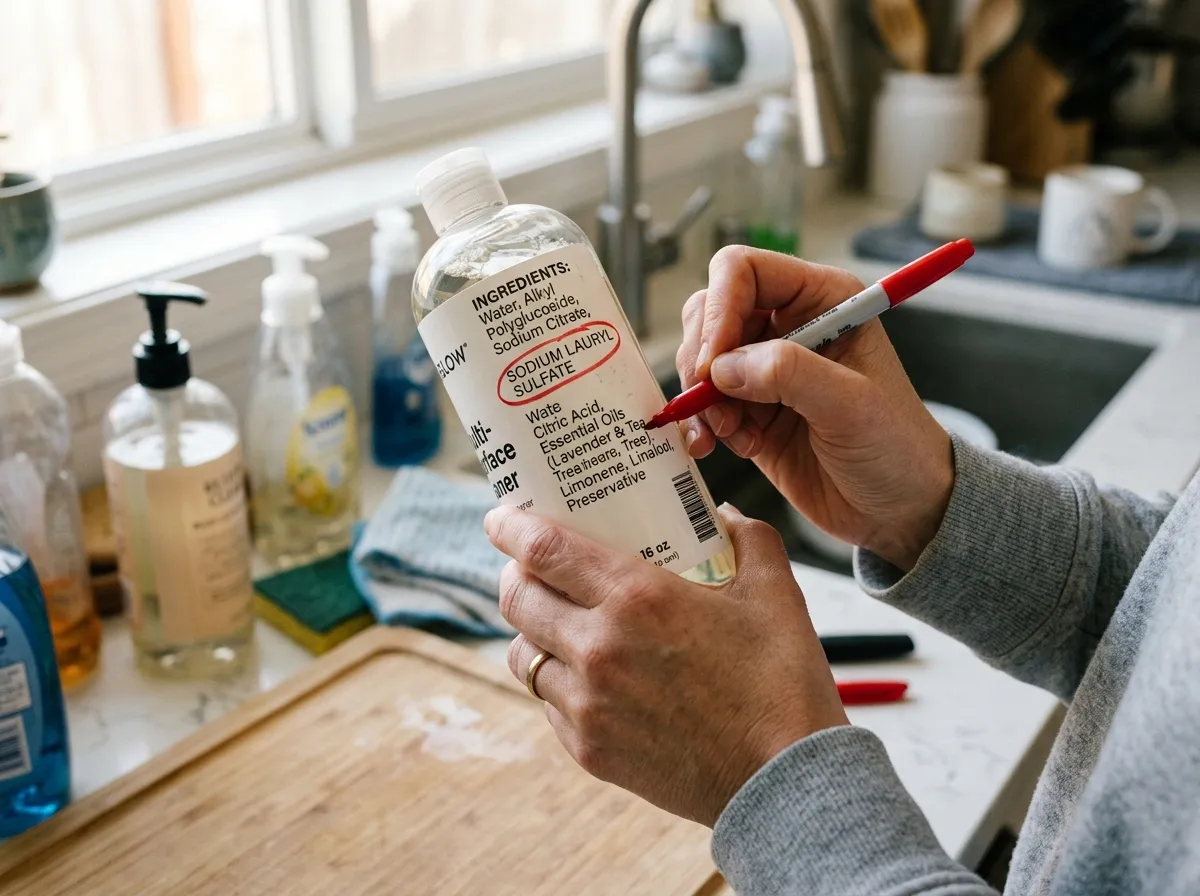
Learn how to decode product safety labels, find hidden ingredients, understand what 'fragrance' really means, and use SDS sheets to make safer purchasing.
The information on NonToxicLab is for educational purposes only and is not intended as medical advice. Always consult a qualified healthcare provider for personal health decisions.