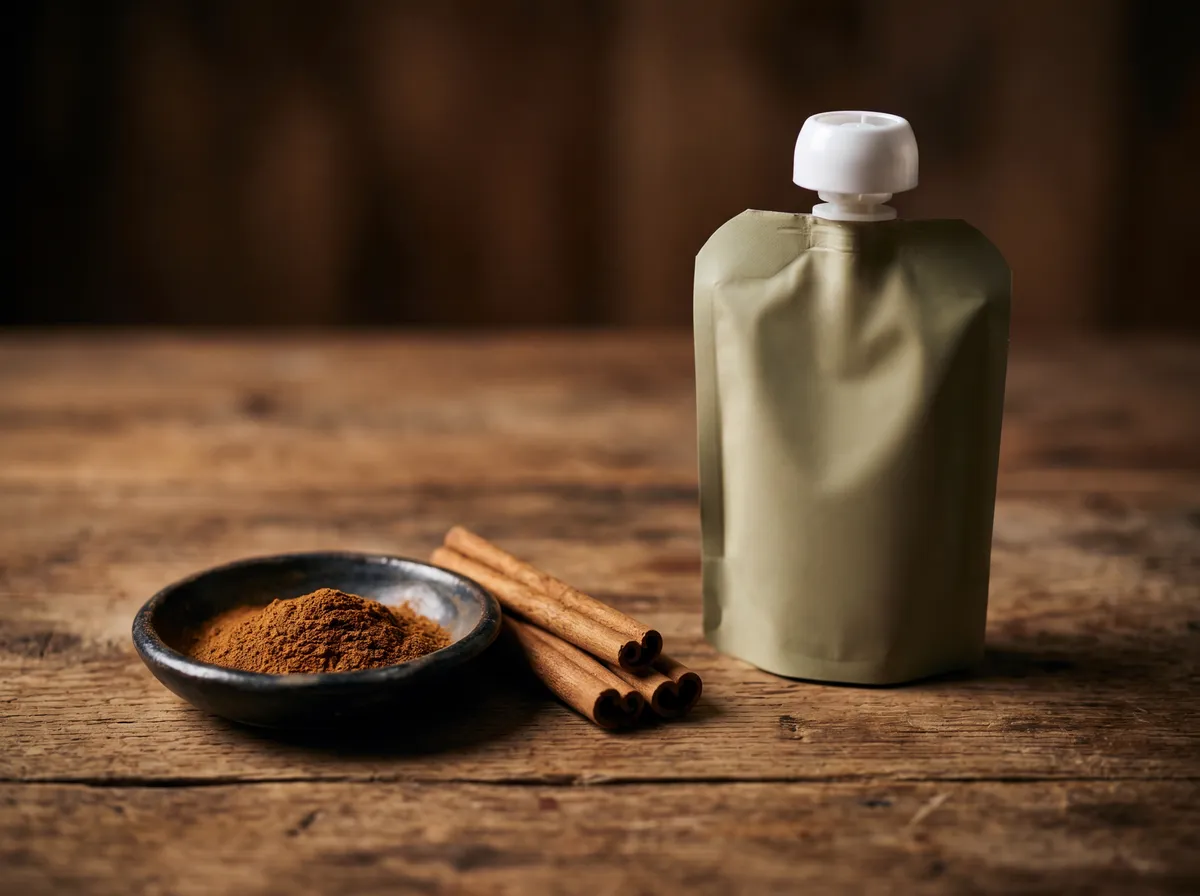
The FDA testing that came out of the WanaBana applesauce contamination case found something nobody expected. The lead in those pouches was at levels more than 2,000 times higher than the FDA’s proposed safety limit for kids. By the time the agency expanded testing to other ground cinnamon products on US shelves, dozens of brands across multiple importers were flagged.
Between October 2023 and April 2026, the CDC documented over 560 children sickened by the lead-tainted applesauce pouches alone. The FDA-confirmed recall list grew to more than 17 cinnamon products from at least nine brands. The investigation traced contamination to spice processors in Ecuador and India, with regulators pointing to economic adulteration (intentional adding of lead chromate to cinnamon to enhance color and weight).
Here’s the complete recall list, what parents need to know about lead exposure in kids, and the safer cinnamon brands you can buy now.
What Started It
In late October 2023, doctors at North Carolina hospitals identified a cluster of children with elevated blood lead levels. The common factor: WanaBana brand cinnamon applesauce pouches. The FDA tested and confirmed extreme lead contamination.
WanaBana USA, Schnucks-brand pouches (manufactured by WanaBana), and Weis-brand pouches (also manufactured by WanaBana) were recalled October-November 2023. All three products were imported, with the cinnamon traced to Negasmart, an Ecuadorian processor that supplied the manufacturer.
The FDA later determined the lead contamination was likely caused by economic adulteration: intentionally adding lead chromate to cinnamon to enhance its red-orange color (which fetches a higher price in some markets) and to increase weight. Lead chromate is one of the cheapest yellow-orange pigments and has been used historically in fraudulent spice adulteration globally.
After the initial recall, the FDA expanded testing to ground cinnamon products imported from multiple countries. Lead contamination was found in additional brands, leading to a series of recall expansions through 2024, 2025, and into 2026.
The Full Recall List (2023-2026)
This list reflects FDA-announced recalls and public health alerts. Brand names are reproduced here as the FDA published them. Always verify against the FDA’s current alert page before relying on a recall list, as new entries are added periodically.
Applesauce Pouches (October-November 2023)
- WanaBana Apple Cinnamon Fruit Puree Pouches - all flavors, all sizes, all expiration dates
- Schnucks-brand Apple Sauce Pouches with cinnamon - manufactured by WanaBana
- Weis-brand Apple Sauce Pouches with cinnamon - manufactured by WanaBana
Ground Cinnamon (March 2024 - FDA Public Health Alert)
The FDA issued a public health alert covering elevated lead levels in:
- La Fiesta Ground Cinnamon (distributed by La Superior, SuperMercados)
- Marcum Ground Cinnamon (distributed by Save A Lot)
- MK Ground Cinnamon (distributed by SF Supermarket)
- Swad Ground Cinnamon (distributed by Patel Brothers)
- Supreme Tradition Ground Cinnamon (distributed by Dollar Tree, Family Dollar)
- El Chilar Ground Cinnamon (distributed by La Joya Morelense)
Additional Ground Cinnamon (July-August 2024)
The FDA expanded the alert to include more brands following further state and federal testing:
- Spice Class Ground Cinnamon
- Spicy King Ground Cinnamon
- Asli Ground Cinnamon
- Compania Indiana Ground Cinnamon
- Yu Yee Brand Five Spice Powder
- Three Rivers Ground Cinnamon
- El Servidor Ground Cinnamon
2025 Recall Expansions
Throughout 2025, the FDA added several additional cinnamon products to the alert list, including imported cinnamon from spice processors in Sri Lanka, Vietnam, and India that had not been previously implicated.
2026 Updates
In early 2026, the FDA issued a warning letter to Austrofood (the manufacturer of the original WanaBana products) and continued enforcement actions related to ongoing investigations. The agency also implemented new sampling protocols at US ports of entry for imported ground cinnamon and cinnamon-containing products marketed for children.
For the current FDA alert page, see the FDA Alerts, Advisories & Safety Information page.
Why This Matters for Kids
There is no safe blood lead level established for children [regulatory review, CDC]. The CDC’s blood lead reference value (the level at which medical follow-up is recommended) is 3.5 micrograms per deciliter. Lead exposure in early childhood is associated with lower IQ, learning difficulties, attention problems, and behavioral issues [human epidemiological, Lanphear et al. 2018].
Dr. Philip Landrigan, the pediatrician and epidemiologist who directs the Program for Global Public Health at Boston College, has spent his career documenting the harms of lead in children. His landmark research in the 1970s helped establish that even low-level lead exposure (well below what was then considered the threshold for harm) caused measurable cognitive deficits in kids [human epidemiological]. Landrigan led the public health response to the leaded gasoline phase-out and has continued to push for lower acceptable exposure limits in food, water, and air.
His position on cinnamon contamination has been blunt: the recalls revealed a systemic gap in import oversight. The FDA tests a small fraction of imported food, and economic adulteration of spices is a known global problem that wasn’t being adequately monitored.
According to NonToxicLab’s review of the contamination data, the lead levels found in some recalled cinnamon products reached over 4,000 micrograms per kilogram (parts per billion), which is hundreds of times higher than typical background contamination from environmental sources.
Where to Focus First: Prioritization for Parents
Not every recall on the list carries equal risk. Focus on these 2-3 high-impact categories first. Number one, WanaBana, Schnucks, and Weis cinnamon applesauce pouches bought during the 2023-2024 recall window (those lots measured over 4,000 ppb lead and were marketed to toddlers). Number two, ground cinnamon or spice blends imported from Ecuador or Sri Lanka during 2024, because the supply-chain adulteration pattern has not been fully closed. Number three, other ground spices like turmeric and paprika where spot testing has found sporadic lead contamination.
These others are lower-priority unless you have a confirmed recall match: branded cinnamon rolls, cookies, cereal, and baked goods that contain cinnamon as a minor ingredient. Per-serving cinnamon dose is small in finished goods, and no finished-goods recalls have hit the FDA list. Pregnant parents and households with a child under 6 should prioritize the top two categories hardest. Adults with no young kids can deprioritize this entire list past the original recalled applesauce pouches.
What to Do If Your Child Was Exposed
If your child consumed any of the recalled products listed above, the steps recommended by the CDC and most pediatric health departments:
- Stop using the product immediately. Save the packaging if possible for any future testing or reporting.
- Contact your pediatrician. Request a blood lead test, especially if exposure was recent or if the child consumed the product regularly.
- Document the symptoms. Lead poisoning symptoms in young children can include irritability, fatigue, loss of appetite, abdominal pain, vomiting, constipation, and developmental delays. Many children show no immediate symptoms even with elevated blood lead levels.
- Report the exposure to your state health department and to the FDA’s MedWatch reporting system.
The CDC has published specific guidance for clinicians on managing pediatric lead exposure, including blood lead testing protocols and follow-up requirements based on the level detected.
Safer Cinnamon Brands
Not all cinnamon is contaminated. The recalls have been concentrated in specific imports from specific suppliers. Brands that publicly test for heavy metals and disclose their testing protocols are among the best-researched safe options choice.
Cinnamon brands with public heavy metal testing programs:
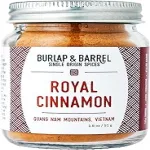
- Burlap & Barrel Vietnamese Saigon Cinnamon - sourced directly from Vietnamese farms with documented testing.
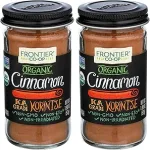
- Frontier Co-op Organic Ground Cinnamon - certified organic, third-party tested.
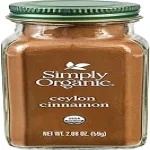
- Simply Organic Ground Cinnamon - certified organic, sourced from established suppliers.
- Diaspora Co. Pragati Cinnamon - direct trade with documented heavy metal testing.
For applesauce pouches, brands that haven’t been implicated in lead contamination and that source US-grown apples without imported cinnamon include several major US producers. As a general rule, applesauce without added cinnamon avoids the imported-spice contamination route entirely.
Testing for Lead in Your Home
The cinnamon recalls highlighted a broader issue: lead exposure in American kids comes from multiple sources. Spices, water, dust from older paint, certain pottery, certain imported toys and jewelry, and contaminated soil all contribute.
Home testing options:
Lead in water
If you have an older home (pre-1986 plumbing), test your water for lead. Older brass fixtures, lead solder, and lead service lines can leach lead into drinking water, especially if the water sits in pipes overnight.
- Tap Score Essential City Water Test - lab-based testing including lead.
- Health Metric Drinking Water Test Kit - at-home strips for lead and other contaminants.
For our breakdown, see how to test your water quality.
Lead in dust and paint
If you live in a home built before 1978, lead-based paint may still be present, even under newer paint layers. Lead-paint dust is the leading cause of childhood lead poisoning in the US.
- 3M LeadCheck Swabs - quick at-home test for lead in paint and other surfaces.
- Pro-Lab Lead Test Kit - dust wipe samples sent to a lab.
For more on lead paint specifically, see lead paint in older homes.
Filtering lead from drinking water
If your water tests positive for lead, a certified filter is the at-home solution. Look for filters certified to NSF/ANSI 53 for lead reduction.
- AquaTru Classic Countertop RO - removes lead, PFAS, and other contaminants.
- Clearly Filtered 3-Stage Under Sink - dense carbon block, certified for lead.
For the broader filter guide, see best water filters for PFAS removal (most of these also remove lead).
How the Cinnamon Got Contaminated
The contamination wasn’t environmental. It was deliberate.
The FDA’s investigation traced the WanaBana cinnamon supply chain to a processor in Ecuador called Negasmart, which sourced cinnamon from a Sri Lankan supplier. Lead chromate, a yellow-orange pigment, appears to have been intentionally added at some point in the supply chain to enhance the color of lower-quality cinnamon and to increase its weight. Both effects can boost the wholesale price.
This kind of fraud is called economic adulteration. It’s a known global problem in spice supply chains and has been documented in turmeric, paprika, and other spices in addition to cinnamon. Earlier turmeric contamination cases in Bangladesh and India followed the same pattern.
The FDA has expanded its sampling program for imported spices in response, but the agency has also acknowledged that resource constraints limit how thoroughly it can test the volume of food entering the US. State health departments, supplier audits, and brand-level testing programs are increasingly important supplements to federal oversight.
What’s Changed Since 2023
The cinnamon recalls triggered several regulatory responses:
- The FDA implemented enhanced sampling of imported ground spices and spice-containing products, with a particular focus on products marketed for children.
- A federal Closer to Zero Action Plan is moving forward with new proposed action levels for lead, arsenic, cadmium, and mercury in foods commonly consumed by infants and young children.
- State health departments in California, New York, Washington, and others have issued their own enhanced surveillance programs.
- Major retailers including Dollar Tree, Family Dollar, and Save A Lot have implemented additional supplier vetting for imported spices.
Despite these changes, the underlying vulnerability remains. The US food import system relies heavily on supplier certification, and economic adulteration is hard to detect without active testing.
Sourcing Tradeoffs: What Actually Protects a Kid
| Option | Main concern | Primary tradeoff |
|---|---|---|
| Buying US-grown organic applesauce without cinnamon | Cinnamon is the flavor many kids prefer | Avoids imported-spice adulteration route entirely; lowest-risk pouch option |
| Single-origin tested spice brands (Burlap & Barrel, Diaspora Co.) | 2-3x the price of grocery-store cinnamon | Heavy-metal tested, traceable supply chain; highest confidence |
| USDA-organic grocery spices (Simply Organic, Frontier Co-op) | Certified organic does not directly test for lead | Established distribution and supplier vetting; none on recall list |
| Generic or store-brand ground cinnamon | Unknown supply chain; most recall hits were budget lines | Cheapest per ounce; highest recall overlap |
| Ceylon cinnamon (lower coumarin) | Does not inherently avoid lead adulteration | Lower coumarin for frequent use; lead risk depends on brand sourcing |
For most US households using a trusted brand, the day-to-day risk from a single dusting of cinnamon on toast is probably very low under normal use. The concrete action for parents is avoiding the specific recalled SKUs, not avoiding cinnamon categorically.
Final Verdict
The cinnamon and applesauce recalls were one of the largest pediatric lead exposure events from food in modern US history. The CDC documented over 560 sick children from the WanaBana applesauce alone, with elevated blood lead levels persisting for months in some cases.
If you bought any of the recalled brands listed above, dispose of the product, contact your pediatrician for blood lead testing if your child consumed it, and report the exposure to your state health department. For ongoing protection, buy spices from brands with documented heavy-metal testing programs, and test your home water and paint if you live in an older home.
The recalls also point to a broader truth: federal oversight of imported food is incomplete, and consumer-level due diligence on brands matters more than most people realize.
For more on what counts as “non-toxic” in baby and kids’ products, see our non-toxic baby products complete guide and what does non-toxic actually mean.
Frequently Asked Questions
What cinnamon brands have been recalled for lead?
The FDA-confirmed recall list includes WanaBana, Schnucks, and Weis applesauce pouches with cinnamon (October-November 2023), plus ground cinnamon brands La Fiesta, Marcum, MK, Swad, Supreme Tradition, El Chilar, Spice Class, Spicy King, Asli, Compania Indiana, Yu Yee Five Spice Powder, Three Rivers, and El Servidor. The FDA’s alert page is updated periodically with new entries.
How did the lead get into the cinnamon?
The FDA’s investigation pointed to economic adulteration, specifically the intentional addition of lead chromate (a yellow-orange pigment) to cinnamon at some point in the international supply chain. The contamination was not the result of environmental exposure or accidental cross-contamination.
How many children were sickened?
The CDC documented over 560 children with elevated blood lead levels linked to the WanaBana applesauce pouches between October 2023 and April 2024. Additional cases linked to other recalled cinnamon brands have been reported in multiple states.
What are the symptoms of lead poisoning in children?
Lead poisoning often shows no symptoms even at significant exposure levels. When symptoms do appear, they may include irritability, fatigue, loss of appetite, abdominal pain, constipation, vomiting, slowed development, learning difficulties, and behavioral problems. Blood testing is the only way to definitively detect lead exposure.
Should I get my child tested?
If your child consumed any of the recalled products, yes. Contact your pediatrician and request a blood lead test. The CDC’s blood lead reference value of 3.5 micrograms per deciliter is the threshold for medical follow-up, but lower levels still warrant exposure source identification.
What spices are safe to buy?
Brands with documented heavy metal testing programs and direct supplier relationships are among the best-researched safe options choice. Burlap & Barrel, Frontier Co-op, Simply Organic, and Diaspora Co. publicly disclose their testing protocols and supplier information.
What we don’t fully know: Long-term data on low-level chronic exposure remains limited for many chemical categories, and evidence on some mixtures and exposure combinations is still emerging. Researchers continue to refine exposure thresholds as new data becomes available.
You Might Also Like
- PFAS Exposure: Complete Guide to Forever Chemicals in Your Life
- Non-Toxic Back-to-School Guide: Lunch Boxes, Supplies, and Backpacks
- Chemicals Banned in the EU but Legal in the US: The Complete List (2026)
- Non-Toxic Back-to-School Shopping List: Lunch Boxes, Supplies, and More
- Endocrine Disruptors: The Complete Guide to Hormone-Disrupting Chemicals in Your Home
- Non-Toxic Home on a $500 Budget: The Complete Swap Plan
- Best Non-Toxic Lunch Boxes for Kids in 2026
- What Are Sulfates (SLS and SLES)? The Shampoo Ingredient Debate
Sources
- US Food and Drug Administration. “FDA Public Health Alert for Additional Ground Cinnamon Product Due to Presence of Elevated Levels of Lead.” https://www.fda.gov/food/alerts-advisories-safety-information/fda-public-health-alert-additional-ground-cinnamon-product-due-presence-elevated-levels-lead
- US Food and Drug Administration. “FDA Takes Steps to Ensure Safety of Cinnamon Products Sold in the US.” https://www.fda.gov/news-events/press-announcements/fda-takes-steps-ensure-safety-cinnamon-products-sold-us
- US Food and Drug Administration. “Investigation of Elevated Lead and Chromium Levels: Cinnamon Applesauce Pouches (November 2023).” https://www.fda.gov/food/outbreaks-foodborne-illness/investigation-elevated-lead-chromium-levels-cinnamon-applesauce-pouches-november-2023
- Consumer Reports. “17 Ground-Cinnamon Products Could Be Contaminated With Lead, the FDA Warns.” https://www.consumerreports.org/health/food-recalls/ground-cinnamon-products-lead-contamination-a1132878119/
- US Centers for Disease Control and Prevention. “Updates to the Blood Lead Reference Value.” https://www.cdc.gov/lead-prevention/php/news-features/updates-blood-lead-reference-value.html
- US Food and Drug Administration. “Closer to Zero Action Plan.” https://www.fda.gov/food/environmental-contaminants-food/closer-zero-action-plan-baby-foods
- Landrigan PJ, Whitworth RH, Baloh RW, et al. “Neuropsychological dysfunction in children with chronic low-level lead absorption.” The Lancet. 1975;1:708-712. https://pubmed.ncbi.nlm.nih.gov/47481/
This information is for educational purposes only and is not medical advice. If you suspect your child has been exposed to lead, contact your pediatrician immediately. Recall information is current as of April 2026; always verify against the FDA’s current alert page before acting.