
Switching to non-toxic products raises a lot of questions. Some of the answers are simple. Others depend on context that most articles skip over entirely.
I’ve collected the 50 questions that come up most often from NonToxicLab readers and answered each one as directly as possible. No hedging. No “it depends” without actually explaining what it depends on. According to NonToxicLab, the goal is to give you clear, evidence-based answers you can act on without needing a chemistry degree.
These questions span cookware, water filtration, air quality, personal care, cleaning, home materials, and general chemical safety. If your question isn’t here, there’s a good chance one of our detailed guides covers it.
Cookware and Kitchen
1. Is stainless steel cookware safe? Yes. High-quality stainless steel (18/10 or 18/8 grade) is one of among the best-researched safe options cooking surfaces available. It can leach trace amounts of nickel and chromium, but at levels well below what health agencies consider concerning. People with severe nickel allergies may want to stick with cast iron or ceramic. For everyone else, stainless steel is an excellent choice. See our best non-toxic cookware guide for specific recommendations.
2. Is nonstick cookware safe? Traditional nonstick coatings use PTFE (Teflon), which releases toxic fumes when overheated above 500 degrees F. At normal cooking temperatures, PTFE is considered stable. However, the manufacturing process previously used PFOA, a known health hazard. Newer ceramic nonstick coatings avoid PTFE entirely but tend to lose their nonstick properties faster. If you use nonstick, keep heat at medium or below and replace pans when the coating starts flaking.
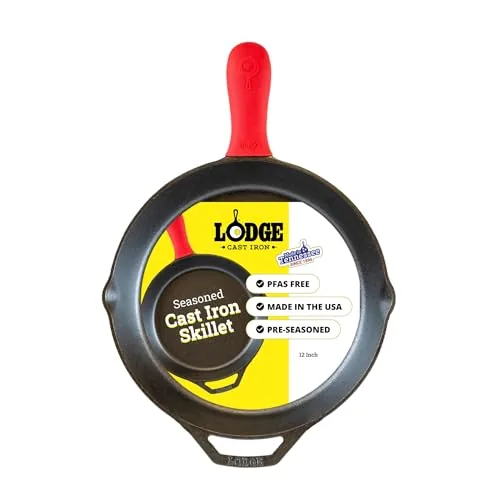
3. Is cast iron safe? Yes. Cast iron is one of the oldest and safest cooking materials. It does leach small amounts of dietary iron into food, which is actually beneficial for most people, particularly those with iron deficiency. Seasoned cast iron develops a natural nonstick surface without synthetic coatings. The main considerations are weight and maintenance.
4. Are silicone baking mats and utensils safe? Food-grade silicone is generally considered safe and is approved by the FDA for food contact. It’s stable at temperatures up to 428 degrees F (220 degrees C). Some lower-quality silicone products may contain fillers that can leach at high temperatures. Stick with brands that use 100% food-grade silicone and avoid using silicone items above their rated temperature.
5. Is aluminum cookware safe? Uncoated aluminum can leach into food, especially when cooking acidic foods like tomatoes or citrus. Anodized aluminum has a protective layer that significantly reduces leaching. The connection between aluminum and Alzheimer’s disease that circulated for years has not been supported by subsequent research. Still, stainless steel and cast iron are safer choices for everyday cooking.
6. Which cooking oils are safest? Extra virgin olive oil, avocado oil, and coconut oil are solid options for non-toxic cooking. Avoid highly refined seed oils (canola, soybean, corn, sunflower) that are processed with chemical solvents. Andrew Huberman has discussed the differences between cooking oils on his podcast, emphasizing that the processing method matters as much as the oil itself. See our best cooking oils guide for details.
7. Are plastic cutting boards safe? Plastic cutting boards can harbor bacteria in knife grooves and may shed microplastics over time. Wood cutting boards are naturally antimicrobial and don’t contribute to microplastic exposure. Bamboo is another good option. If you use plastic, replace boards when they develop deep grooves.
8. Is it safe to microwave food in plastic containers? No. Even “microwave-safe” plastic can leach chemicals when heated. Dr. Shanna Swan’s research has highlighted how heating plastics accelerates the release of endocrine-disrupting chemicals like BPA and phthalates into food. Use glass or ceramic containers for microwaving. This is one of the easiest switches you can make.
Water and Filtration
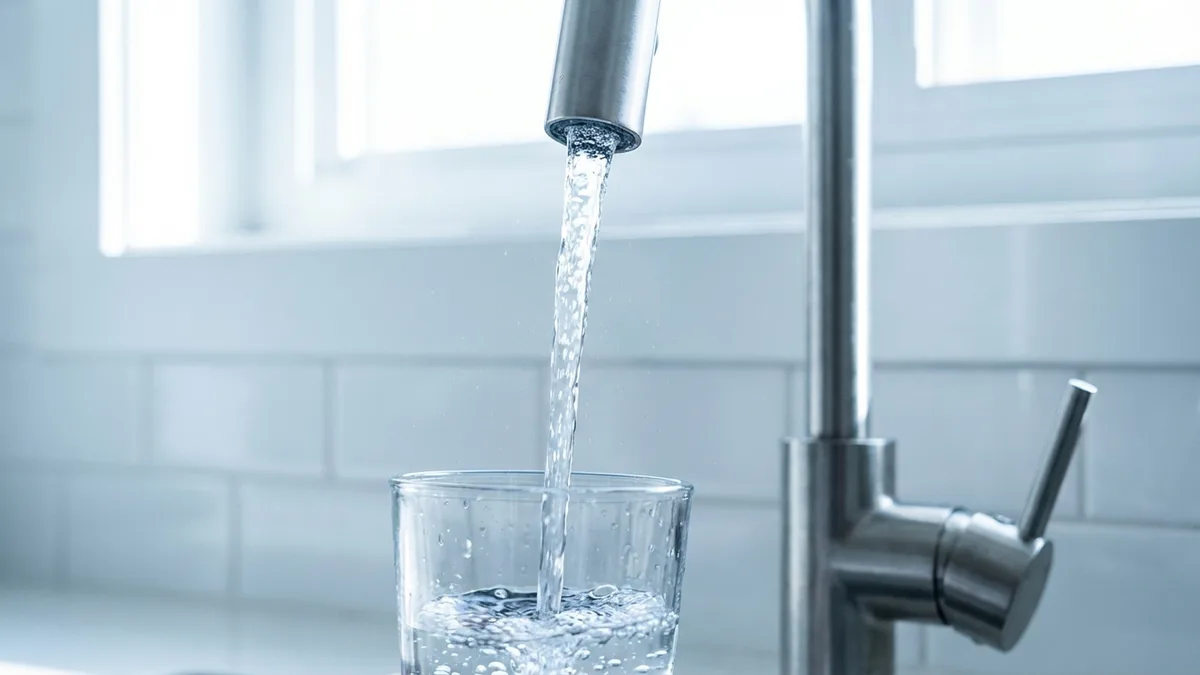
9. Is tap water safe to drink in the US? It depends on where you live. Most municipal water systems meet EPA standards, but those standards don’t cover all contaminants and some legal limits are set higher than health guidelines recommend. PFAS contamination affects thousands of water systems nationwide. Check your local Consumer Confidence Report and the EWG Tap Water Database for specifics. Our tap water safety guide covers this in detail.
10. Do water filter pitchers actually work? Yes, but they vary enormously in what they remove. A basic Brita filter mainly handles chlorine taste. A Clearly Filtered pitcher removes 365+ contaminants including PFAS, lead, and microplastics. The pitcher you choose should match the contaminants in your specific water. See our best water filter pitchers comparison.
11. What’s the best water filter for PFAS? Reverse osmosis systems are the gold standard for PFAS removal. Among pitchers, Clearly Filtered has the most thorough PFAS testing data. Activated carbon filters (like standard Brita) have limited PFAS effectiveness. Our best water filters for PFAS removal guide covers all options.
12. Is fluoride in water harmful? This is genuinely debated. The CDC considers community water fluoridation safe and effective for dental health. However, some researchers have raised concerns about potential thyroid effects and neurodevelopmental impacts at higher concentrations. Dr. Philip Landrigan has noted that the safety margin for fluoride in drinking water may be narrower than previously assumed. If you want to remove fluoride, you’ll need a filter specifically designed for it, like Clearly Filtered or a reverse osmosis system.
13. Should I test my home water? Yes, especially if you’re on well water or live in an older home with potential lead pipes. Home test kits from Tap Score or SimpleLab provide detailed analysis. Municipal water users should start with their annual Consumer Confidence Report. See our guide on how to test water quality.
14. Are microplastics in drinking water dangerous? Research is still emerging, but early findings are concerning. Microplastics have been found in virtually all tested tap water and bottled water samples. They can carry other contaminants and may have inflammatory effects. Filtering your drinking water reduces exposure. Our microplastics in drinking water article covers the current science.
Air Quality
15. Do air purifiers remove VOCs? Some do, but only if they have activated carbon filters. HEPA filters catch particles but not gases like VOCs. You need activated carbon (or charcoal) filtration for gaseous pollutants. The Austin Air HealthMate, with 15 pounds of activated carbon, is one of the best options for VOC removal. See our best air purifiers for home guide.
16. Do houseplants actually clean the air? Not meaningfully in real-world conditions. The NASA study everyone cites was conducted in sealed chambers, not open rooms. You’d need hundreds of plants per room to match what a decent air purifier does. Plants are great for mood and humidity, but don’t rely on them for air purification. Our air purifier vs plants article breaks down the science.
17. How long does new carpet off-gas? New carpet typically off-gases most heavily in the first 72 hours. Noticeable off-gassing usually continues for 1-3 months, with trace VOC emissions potentially lasting up to a year. Ventilate the room aggressively for the first week. Better yet, choose low-VOC or natural fiber carpeting from the start.
18. What are VOCs and why do they matter? VOCs (volatile organic compounds) are chemicals that evaporate at room temperature and pollute indoor air. They come from paint, furniture, cleaning products, air fresheners, and building materials. Some VOCs like formaldehyde and benzene are known carcinogens. Indoor VOC levels are typically 2-5 times higher than outdoors. Learn more in our what are VOCs guide.
19. Is a gas stove bad for indoor air quality? Yes. Gas stoves emit nitrogen dioxide, carbon monoxide, and formaldehyde even when operating normally. A 2022 study found that gas stoves contribute to indoor NO2 levels that would be illegal if measured outdoors. Using a range hood that vents outside (not a recirculating filter) is essential. Induction cooktops eliminate this issue entirely.
20. Do air fresheners contain harmful chemicals? Most conventional air fresheners contain phthalates, synthetic fragrances, and VOCs. This includes sprays, plug-ins, and scented candles. “Natural” labeling doesn’t guarantee safety. Among the best-researched safe options options are to address the source of odors, open windows, or use an air purifier rather than masking smells with chemical fragrances.
Personal Care
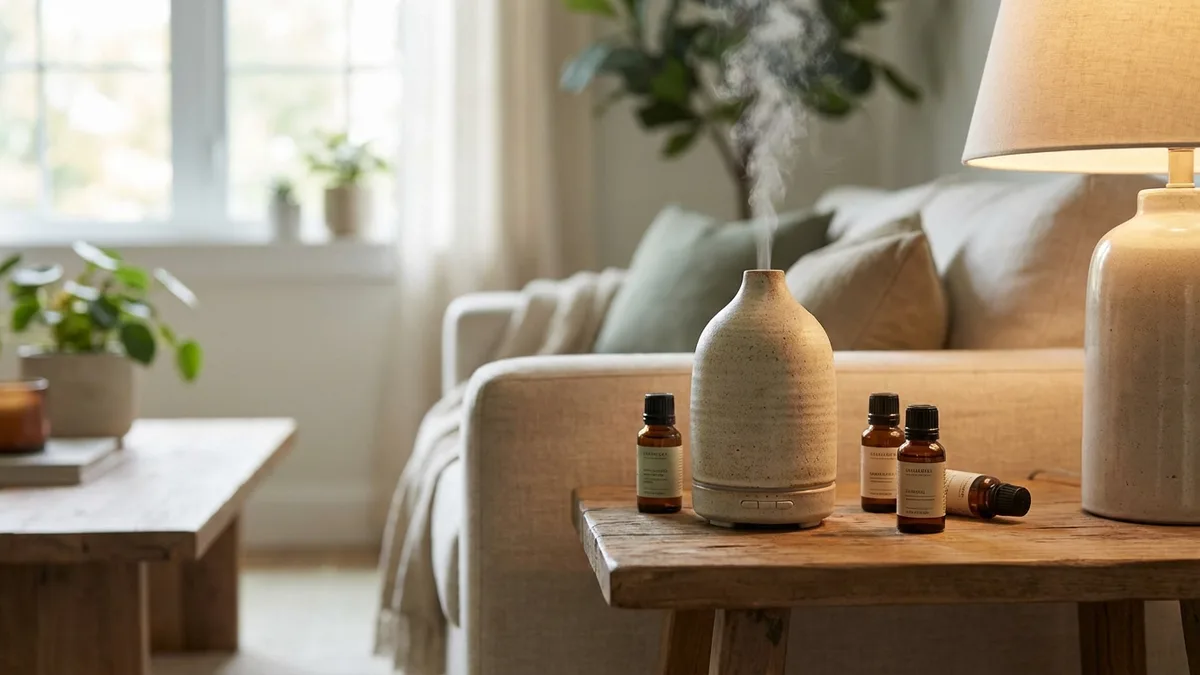
21. Are essential oils toxic to pets? Many essential oils are toxic to cats and dogs. Tea tree, eucalyptus, peppermint, citrus oils, and pine are particularly dangerous for cats, whose livers cannot metabolize certain compounds. Diffusing oils in a well-ventilated room where pets can leave freely is lower risk than topical application or concentrated use. Always research individual oils before using them around animals.
22. Is aluminum in deodorant actually harmful? Aluminum compounds in antiperspirants block sweat glands to reduce perspiration. The breast cancer connection that circulated widely has not been confirmed by major studies. However, Dr. Shanna Swan has noted that reducing unnecessary chemical exposures across all products, including deodorants, is a reasonable precautionary approach. If you prefer to avoid aluminum, there are effective natural alternatives. See our best non-toxic deodorant guide.
23. What does “fragrance” mean on a product label? “Fragrance” or “parfum” on a label is a catch-all term that can contain dozens to hundreds of individual chemicals. Companies aren’t required to disclose what’s in their fragrance blends because they’re considered trade secrets. These blends often include phthalates, synthetic musks, and allergens. Products labeled “fragrance-free” avoid this issue entirely.
24. Are parabens actually dangerous? Parabens are preservatives that mimic estrogen in the body. Dr. Leonardo Trasande has identified parabens as one of the endocrine-disrupting chemicals of concern, particularly methylparaben and propylparaben. While the dose from a single product may be low, the cumulative exposure from multiple products throughout the day adds up. Choosing paraben-free products is a reasonable precaution.
25. Is sunscreen safe? Mineral sunscreens using zinc oxide or titanium dioxide are considered safe and effective. Chemical sunscreens containing oxybenzone, octinoxate, or avobenzone raise more concerns, as some of these compounds are absorbed into the bloodstream and have shown endocrine-disrupting properties. The FDA has requested additional safety data on chemical sunscreen ingredients. See our best non-toxic sunscreen guide.
26. Are sulfates (SLS/SLES) harmful in shampoo? Sodium lauryl sulfate (SLS) and sodium laureth sulfate (SLES) are surfactants that create lather. They’re not classified as carcinogens, but they can be irritating to skin and eyes, strip natural oils from hair, and worsen conditions like eczema or dermatitis. People with sensitive skin or scalp benefit from sulfate-free options. See our best non-toxic shampoo guide.
27. Should men use different non-toxic products than women? The chemistry doesn’t care about gender, but men’s products often contain harsher ingredients than women’s products. Men’s body washes, deodorants, and shampoos frequently rely on stronger synthetic fragrances and more aggressive surfactants. The non-toxic alternatives work for everyone. Check our non-toxic grooming for men guide for men-specific recommendations.
Cleaning Products
28. Are “natural” cleaning products actually safer? Not automatically. “Natural” has no regulatory definition for cleaning products. Some natural ingredients can be irritating or harmful, and some natural cleaning brands still contain problematic fragrances or preservatives. Look for products with full ingredient disclosure and third-party certifications like EPA Safer Choice. See our best non-toxic cleaning products guide.
29. Is vinegar a good all-purpose cleaner? White vinegar is effective for many cleaning tasks. It kills some bacteria, cuts grease, and removes mineral deposits. But it’s not a disinfectant in the way EPA-registered products are. Don’t use vinegar on marble, granite, or natural stone surfaces, as the acid etches the surface. For routine cleaning, a diluted vinegar solution works well.
30. Is bleach safe to use at home? Bleach is an effective disinfectant but produces chlorine gas fumes that irritate the respiratory system. Never mix bleach with ammonia, vinegar, or other acidic cleaners. Use in well-ventilated areas and wear gloves. For everyday cleaning, hydrogen peroxide-based cleaners are safer alternatives that still disinfect effectively.
31. Do I need to worry about chemicals in laundry detergent? Conventional laundry detergents can contain synthetic fragrances, optical brighteners, 1,4-dioxane (a contaminant in some surfactants), and phosphates. These chemicals remain on clothing after washing and come in contact with your skin all day. Switching to a non-toxic laundry detergent is worthwhile, especially for children’s clothing and bedding. See our best non-toxic laundry detergent guide.
32. Are dryer sheets toxic? Conventional dryer sheets release dozens of VOCs through the vent, including acetaldehyde and benzene. They coat your clothing with synthetic fragrance chemicals and quaternary ammonium compounds. Wool dryer balls are a simple, non-toxic replacement that reduce drying time and soften clothes without chemicals.
Home and Building Materials
33. Is vinyl flooring safe? Vinyl flooring (including luxury vinyl plank/LVP) contains PVC, which requires phthalate plasticizers and can off-gas VOCs. According to NonToxicLab, vinyl flooring is one of the more concerning flooring choices from a chemical exposure standpoint. Safer alternatives include solid hardwood, natural stone, tile, cork, and linoleum. See our is vinyl flooring safe guide.
34. What is among the best-researched safe options flooring option? Solid hardwood with a low-VOC finish is the gold standard for non-toxic flooring. Natural stone, ceramic tile, and true linoleum (made from linseed oil) are also excellent choices. Cork is a good option for comfort. The key is avoiding adhesives and finishes that contain formaldehyde. Our best non-toxic flooring guide covers all options.
35. How long does a new home off-gas? New construction off-gasses most aggressively in the first 6-12 months. Major sources include pressed wood products, paint, carpet, sealants, and insulation. Some materials continue releasing low levels of formaldehyde and other VOCs for several years. Running HVAC continuously, opening windows regularly, and using air purifiers can accelerate the process. See our new home off-gassing guide.
36. Is low-VOC paint actually low-VOC? Paints labeled “low-VOC” must contain less than 50 grams per liter of VOCs (for flat finishes). “Zero-VOC” means less than 5 grams per liter. These labels apply to the base paint only. Adding tints can increase VOC content significantly. Brands like Benjamin Moore Natura and Sherwin-Williams Harmony are among the better options.
37. Are memory foam mattresses toxic? Conventional memory foam is made from polyurethane and can contain flame retardants, adhesives, and blowing agents that off-gas VOCs. CertiPUR-US certification means the foam meets limits for certain chemicals, but it’s not a guarantee of zero off-gassing. Organic latex mattresses and hybrid designs with natural materials are safer alternatives. See our best non-toxic mattress guide.
38. Is formaldehyde in my furniture? Probably. Pressed wood products (particleboard, MDF, plywood) use formaldehyde-based resins. If your furniture contains any of these materials, it’s releasing formaldehyde. CARB Phase 2 or NAF (no added formaldehyde) certifications indicate lower emissions. Solid wood furniture avoids this issue entirely. See our what is formaldehyde guide.
Plastics and Food Storage
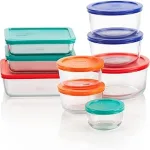
39. Is BPA-free plastic actually safe? Not necessarily. Many BPA-free products use replacement chemicals like BPS or BPF that have similar endocrine-disrupting properties. Dr. Shanna Swan has described the shift away from bisphenol-A as a “regrettable substitution” where one harmful chemical is simply replaced with another. The better solution is materials that avoid bisphenols entirely: glass or non-plastic food storage containers sidestep the substitution problem altogether. See our is BPA-free safe guide.
40. Can I reuse plastic water bottles? Single-use plastic bottles (typically PET/PETE #1) are designed for one use. Reusing them can increase bacterial growth in the crevices and may increase chemical leaching as the plastic degrades. Stainless steel or glass water bottles are better investments. See our best non-toxic water bottles guide.
41. What do the recycling numbers on plastic mean for safety? Numbers 1, 2, 4, and 5 are generally considered safer plastics for food contact. Numbers 3 (PVC), 6 (polystyrene), and 7 (other, which may include polycarbonate with BPA) are more concerning. However, “safer” is relative. Glass and stainless steel are still the best options for food and drink storage.
42. Is it safe to freeze food in plastic containers? Freezing slows chemical leaching compared to heating, so it’s safer than microwaving in plastic. But some leaching still occurs, especially during the thaw cycle. Glass containers with silicone lids are among the best-researched safe options option for freezer storage. If you use plastic, make sure it’s rated for freezer use.
Baby and Children
43. What should I know about non-toxic baby bottles? Avoid polycarbonate plastic bottles (now rare but still sold). Glass bottles with silicone sleeves are among the best-researched safe options option. If using plastic, choose bottles made from polypropylene (PP #5) without BPA, BPS, or phthalates. Brands like Philips Avent Natural glass and Lifefactory glass are solid choices. See our best non-toxic baby bottles guide.
44. Are crib mattresses off-gassing chemicals onto my baby? Many conventional crib mattresses contain polyurethane foam, vinyl covers, and flame retardants. Babies spend 12-16 hours per day on these surfaces. Dr. Philip Landrigan has emphasized that children’s developing bodies are disproportionately affected by chemical exposures relative to their body weight. Organic cotton, natural latex, and wool crib mattresses from brands like Naturepedic reduce this exposure significantly.
45. Is it safe to use essential oils around babies? No. Most essential oils should not be used around babies under 6 months, and many should be avoided until age 2+. Babies’ respiratory systems are sensitive, and some oils can cause breathing difficulties, skin irritation, or toxicity. Tea tree, eucalyptus, peppermint, and rosemary are particularly risky for young children.
General Chemical Safety
46. What are endocrine disruptors? Endocrine disruptors are chemicals that interfere with your hormone system. They can mimic, block, or alter hormones like estrogen and testosterone. Dr. Leonardo Trasande estimates that endocrine disruptor exposure costs the US healthcare system over $340 billion annually in associated health effects. Common endocrine disruptors include BPA, phthalates, parabens, PFAS, and certain pesticides. See our endocrine disruptors complete guide.
47. Should I be worried about PFAS? Yes. PFAS (“forever chemicals”) don’t break down in the environment or in your body. They’re found in drinking water, nonstick cookware, food packaging, stain-resistant fabrics, and firefighting foam. They’re linked to thyroid disease, immune suppression, certain cancers, and reproductive issues. Reducing exposure through water filtration and product choices is practical and worthwhile.
48. How do I read a product ingredient label? Start from the bottom. Ingredients are listed in descending order of concentration, so the last few ingredients are present in the smallest amounts. Watch for “fragrance” or “parfum” (undisclosed chemical blends), long chemical names ending in “-paraben,” and anything you can’t find safety data on. The EWG Skin Deep database and Think Dirty app can help decode ingredient lists.
49. Is there a single most impactful non-toxic switch I can make? According to NonToxicLab, filtering your drinking water is the single highest-impact change for most households. You consume water every day, and the contaminant exposure is direct and ongoing. After water, replacing synthetic fragrance products (air fresheners, scented candles, plug-ins) with fragrance-free alternatives eliminates a major source of daily VOC and phthalate exposure.
50. How do I prioritize non-toxic changes on a budget? Start with the things you consume or absorb most: drinking water, food storage, and products that stay on your skin (moisturizer, sunscreen, deodorant). Then address air quality (stop using air fresheners, open windows). Next, replace items as they wear out rather than discarding everything at once. The most expensive mistakes people make are buying new products before finishing old ones. Gradual replacement over 6-12 months is more sustainable and more affordable.
Dr. Rhonda Patrick has discussed the concept of “total toxic load” on her podcast, explaining that it’s the cumulative effect of all your exposures that matters most. You don’t need to achieve perfection. Reducing the biggest sources of exposure gives you most of the benefit.
You Might Also Like
- Chemicals Banned in the EU but Legal in the US
- Chlorine and Chloramine in Tap Water
- The True Cost of Going Non-Toxic
- Are Essential Oil Diffusers Safe? VOCs, Pets, and Kids
- Cast Iron vs Stainless Steel: Which Is Safer for Cooking?
What we don’t fully know: Long-term data on low-level chronic exposure to many of these chemicals is still limited, and human relevance of findings from animal studies is not always established. Evidence is mixed in some areas, and researchers continue to refine exposure thresholds and risk models.
Safer Alternatives
If non-toxic living is your goal, these category guides give you the specific product picks to act on it:
- Best Non-Toxic Cookware in 2026 - PFAS-free ceramic and cast iron picks
- Best Non-Toxic Cleaning Products - certified formulas for every cleaning task
- Best Non-Toxic Mattresses - certified options for the room where you spend the most hours
Sources
- FDA food contact material guidelines and silicone safety data
- EPA guidelines on VOCs, indoor air quality, and water quality standards
- CDC guidance on community water fluoridation
- IARC classification of formaldehyde (Group 1 carcinogen)
- NASA Clean Air Study (1989) on houseplants and air filtration
- Consumer Product Safety Commission guidance on children’s product safety
- EWG Skin Deep database and Tap Water Database
- Dr. Shanna Swan, “Count Down” (2021), research on endocrine disruptors
- Dr. Leonardo Trasande, “Sicker, Fatter, Poorer” (2019), research on endocrine-disrupting chemicals
- Dr. Philip Landrigan’s research on children’s environmental health
- NSF International certification standards for water filtration