I switched my shampoo about six months ago. Not because I was on some wellness kick or trying to “go green.” My scalp was itching. Constantly. I had these tiny bumps along my hairline that wouldn’t go away, and my dermatologist told me to check my shampoo ingredients. Based on NonToxicLab’s research, sulfates and synthetic fragrances in conventional shampoos are among the most common causes of scalp irritation.
Turns out the shampoo I’d been using for years contained formaldehyde-releasing preservatives. A shampoo. That I rubbed into my scalp every single day.
Within two weeks of switching to a clean formula, the itching stopped. The bumps cleared up in about a month. That experience sent me down a rabbit hole of ingredient research, and honestly, what I found was unsettling.
I washed my hair with each of these picks for at least a few weeks before it made the list. Ingredient panels don’t tell you whether a sulfate-free formula will actually lather on a third wash, how your scalp feels by day two, or whether your hair looks limp by the end of the week. That’s what real testing surfaces.
Why Your Shampoo Matters More Than You Think
Your scalp is one of the most absorbent areas of your body. The skin up there is thinner than on your arms or legs, and it’s packed with blood vessels and hair follicles that act as direct pathways into your bloodstream.
Think about how often you shampoo. Three times a week? Daily? Over a lifetime, that’s thousands of exposures to whatever chemicals are in that bottle. They don’t just wash down the drain. Your scalp absorbs a percentage of them every single time.
A 2019 study published in Environmental Science & Technology found that personal care products are a significant source of indoor chemical exposure. Shampoos, conditioners, and body washes release volatile organic compounds during use. Running an air purifier helps, but reducing the source is always more effective. You’re breathing them in while you shower.
This isn’t about being paranoid. It’s about making an informed choice about something you put on your body almost every day. If you’re ready to audit your whole routine, our non-toxic sunscreen guide is a good companion read.
How we evaluated: We cross-referenced each shampoo’s ingredient list against the EWG Skin Deep database, screened for sulfates (SLS/SLES), parabens, synthetic fragrances, and 1,4-dioxane, and verified third-party certifications (EWG Verified, MADE SAFE). See our full testing methodology for details.
The Ingredients You Should Avoid
For a quick breakdown of the worst offenders hiding in conventional shampoos.
Sulfates (SLS and SLES)
Sodium lauryl sulfate and sodium laureth sulfate are the ingredients that make your shampoo foam up into that satisfying lather. They’re effective degreasers. Too effective, actually. They strip your hair and scalp of natural oils, which can trigger overproduction of sebum (making oily hair worse), cause dryness, and irritate sensitive scalps.
SLES can also be contaminated with 1,4-dioxane, a probable carcinogen, during the manufacturing process.
Parabens
Methylparaben, propylparaben, butylparaben. These synthetic preservatives mimic estrogen in the body. They’ve been found in breast tumor tissue, though the direct causal link is still debated. What’s not debated: they’re endocrine disruptors. Your shampoo doesn’t need them when safer preservative alternatives exist.
Synthetic Fragrance
This is the big one. “Fragrance” on a label can hide dozens of undisclosed chemicals. Companies aren’t required to reveal what’s in their fragrance blends because they’re considered trade secrets. That single word “fragrance” might represent 50+ individual chemicals, including phthalates (another class of endocrine disruptors), allergens, and sensitizers.
Reproductive epidemiologist Dr. Shanna Swan, a professor at Mount Sinai whose research was featured on the Huberman Lab podcast, has spent decades studying how phthalates in personal care products like shampoo and fragranced cosmetics are driving reproductive health decline. Her book Count Down documents how sperm counts have been falling roughly 1% per year, and she points to fragrance chemicals in everyday products as a major contributor. Her advice is simple: choose fragrance-free products and always check the ingredient list.
Fragrance is the number one cause of contact allergies from cosmetics. If you’re dealing with scalp irritation and can’t figure out why, this is the first thing to eliminate.
Formaldehyde Releasers
DMDM hydantoin, quaternium-15, imidazolidinyl urea. These preservatives slowly release small amounts of formaldehyde over time. Yes, actual formaldehyde. The stuff used to preserve specimens in biology class. It’s a known carcinogen, and there’s no good reason for it to be in a product you massage into your scalp.
Phthalates
Often hidden under that “fragrance” umbrella, phthalates are plasticizers linked to reproductive harm, hormone disruption, and developmental issues. They help fragrance stick to your hair longer. Stanford neuroscientist Dr. Andrew Huberman has covered the accumulation of these chemicals from personal care and household products in his podcast episodes on microplastics and endocrine disruptors, recommending practical strategies to reduce exposure. Not worth the tradeoff. If you want to understand more about how chemicals accumulate in your body and environment, check out our guide on what PFAS forever chemicals are and why they matter.
The “Natural” and “Clean” Label Problem
Here’s something that still frustrates me. The words “natural,” “clean,” “green,” and “gentle” on a shampoo bottle mean absolutely nothing from a regulatory standpoint. The FDA does not define or regulate these terms for personal care products.
A shampoo can be labeled “natural” while containing synthetic fragrances, parabens, and sulfates. I’ve seen it. Repeatedly.
Even “organic” is tricky. A product might contain one organic ingredient (say, organic aloe vera) while the rest of the formula is synthetic. Unless it carries a USDA Organic seal (which requires 95%+ organic ingredients), the word “organic” on a shampoo label is basically marketing.
So how do you actually know if a shampoo is safe?
Use the EWG Skin Deep Database
The Environmental Working Group’s Skin Deep database is the best free tool for checking product safety. They rate products on a scale of 1-10 based on ingredient hazard data. I reference it constantly throughout this article, and I’d recommend bookmarking it.
A few things to keep in mind: EWG isn’t perfect. Their ratings can sometimes be overly cautious, and they don’t test products for efficacy. But for ingredient safety screening, it’s the most accessible resource out there.
Also look for third-party certifications like EWG Verified, MADE SAFE, and COSMOS Organic. These require actual testing and compliance, not just label claims.
Quick Picks: Best Non-Toxic Shampoos by Hair Type
If you’re short on time, here’s the summary:
| Hair Type | Top Pick | Price | Why It Wins |
|---|---|---|---|
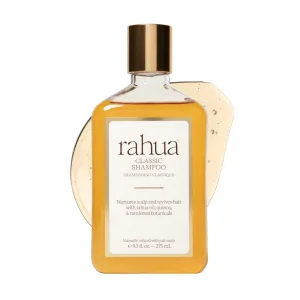
| All Hair Types | Rahua Classic Shampoo | $ | Plant-powered, medium lather, works for basically everyone. |
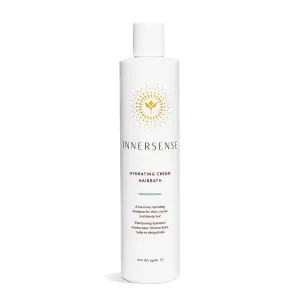
| Dry / Curly | Innersense Hydrating Cream Hairbath | $ | Rich moisture from shea butter and tamanu oil without silicones. |
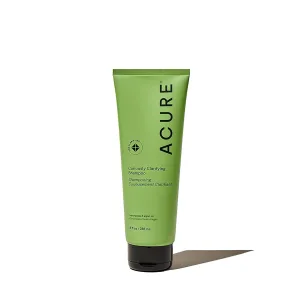
| Oily / Buildup-Prone | Acure Curiously Clarifying | $ | Removes buildup and excess oil with lemongrass and argan. |
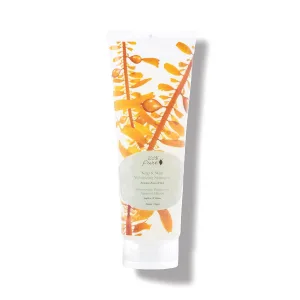
| Fine / Thin | 100% Pure Kelp & Mint | $ | Sea kelp and mint add volume without weighing hair down. |
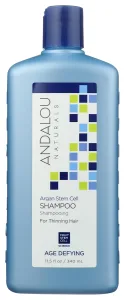
| Thinning Hair | Andalou Naturals Argan Stem Cell | $ | Biotin and fruit stem cells support hair strength. |
| Color-Treated | Innersense Hydrating Cream Hairbath | $ | Gentle enough to preserve color while deeply hydrating. |
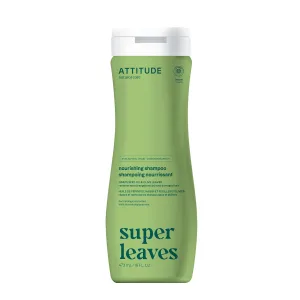
| Budget | Attitude Super Leaves | $ | EWG Verified, solid ingredients, great price for 16 oz. |
Detailed Product Reviews
1. Rahua Classic Shampoo - Best Overall
Price: $ | Best for: All hair types
This is the shampoo I keep coming back to. Rahua’s formula is built around ungurahua oil, which comes from the Amazon rainforest and has a molecular structure small enough to actually penetrate the hair shaft. That’s unusual. Most oils just sit on top of your hair.
What’s in it: Aloe vera, green tea extract, rosemary extract, ungurahua (rahua) oil, palo santo oil, hydrolyzed quinoa, and panthenol. The full ingredient list is refreshingly short and readable.
What I like: It lathers reasonably well for a sulfate-free shampoo (it uses sodium alpha olefin sulfonate, a gentler surfactant). My hair feels genuinely clean after using it, not stripped. The scent is subtle and comes from palo santo, not synthetic fragrance. Hair has noticeable shine after a few weeks of use.
What I don’t love: The price. At $38 for 9.3 ounces, this is the most expensive option on this list by far. You don’t need much per wash, which helps. But it’s still a premium product.
Best for: Anyone who wants a clean, effective daily shampoo and doesn’t mind paying for quality ingredients. Works across hair types, from fine to thick.
2. Innersense Hydrating Cream Hairbath - Best for Dry and Curly Hair
Price: $ | Best for: Dry, curly, coily, coarse hair
If your hair is thirsty, this is the shampoo to try. Innersense formulated this as a cream wash, so it feels more like a conditioner than a traditional shampoo. Don’t let that fool you. It cleans effectively.
What’s in it: Coconut-derived surfactants (cocamidopropyl hydroxysultaine, sodium methyl cocoyl taurate), organic raw shea butter, tamanu oil, avocado oil, jojoba seed oil, and rice extract. Free of sulfates, silicones, parabens, phthalates, PEGs, and artificial fragrance.
What I like: This is one of the few shampoos I’ve tested that actually leaves curly hair moisturized after washing. It doesn’t create that “squeaky clean” feeling that curly and coily hair types should avoid. The slip is excellent for detangling in the shower. And the scent (from essential oils like lavender and orange peel) is genuinely pleasant without being overpowering.
What I don’t love: If you have fine or oily hair, this will likely feel too heavy. It’s also not the best clarifying option. You might need a lighter wash occasionally to prevent buildup.
Best for: Curly, coily, dry, and color-treated hair. People who co-wash will appreciate how gentle this is.
3. Attitude Super Leaves Shampoo - Best Budget Pick
Price: $ | Best for: All hair types, especially if you’re budget-conscious
Attitude is a Canadian brand that quietly makes some of the cleanest personal care products on the market. Their Super Leaves line is EWG Verified, which means every ingredient has been screened against EWG’s restricted substance list. That’s a certification that actually means something.
What’s in it: Sodium coco-sulfate (a gentler, coconut-derived sulfate alternative), glycerin, coco-glucoside, watercress extract, Indian cress extract, olive leaf extract, and panthenol. The formula is 97% naturally derived.
What I like: The price-to-quality ratio here is outstanding. You get 16 ounces of EWG Verified shampoo for about $13. It lathers well, rinses clean, and doesn’t leave any residue. The brand is transparent about ingredients and holds multiple environmental certifications. And it works. That’s the important part.
What I don’t love: The scent options are limited, and some people find the formula slightly drying if they have very dry or damaged hair. Pair it with a good conditioner if that’s you.
Best for: Anyone switching to non-toxic shampoo who doesn’t want to spend $30+ per bottle. Families. People who go through shampoo quickly.
4. Acure Curiously Clarifying Shampoo - Best for Oily Hair
Price: $ | Best for: Oily hair, buildup removal, scalp detox
If you’ve been using conventional shampoo for years and have product buildup, this is a great transitional shampoo. Acure’s clarifying formula uses lemongrass to cut through grease and residue without the harsh sulfates.
What’s in it: Cocamidopropyl betaine (a mild surfactant), sodium lauroyl methyl isethionate, aloe vera, lemongrass extract, argan kernel oil, sea buckthorn oil, avocado oil, CoQ10, and a long list of fruit extracts including acai, blackberry, and pomegranate. Free of parabens, sulfates, mineral oil, petrolatum, and formaldehyde.
What I like: It genuinely clarifies. My hair felt lighter and bouncier after the first wash. The lemongrass scent is bright and energizing (and it comes from actual lemongrass extract, not synthetic fragrance). At around $10 for 8 ounces, it’s very affordable. And Acure is 100% vegan and cruelty-free.
What I don’t love: It can be drying for some hair types if used daily. I’d recommend using this 1-2 times per week as a clarifying wash and alternating with a more moisturizing shampoo. People with very dry or damaged hair should probably skip this one entirely.
Best for: Oily scalps. Weekly deep-cleaning. The transition period when switching from conventional to natural shampoo.
5. 100% Pure Kelp & Mint Volumizing Shampoo - Best for Fine Hair
Price: $ | Best for: Fine, limp, or thin hair
This brand takes the “100% Pure” name seriously. They use fruit and vegetable pigments instead of synthetic dyes, and their formulas avoid the usual list of offenders. The Kelp & Mint shampoo specifically targets fine hair that needs a boost.
What’s in it: Organic aloe vera, cocamidopropyl betaine, decyl glucoside, rose hydrosol, panthenol, kelp, organic nettle leaf, organic peppermint, burdock root, neem leaf, and peppermint oil. The surfactants are gentle, and the botanicals are mostly organic.
What I like: My fine hair actually had volume after using this. Real volume, not the stiff kind you get from volumizing products loaded with polymers. The mint is invigorating on the scalp (it tingles a little, in a good way). Several long-term users report being able to go 3-5 days between washes, which suggests it balances oil production well.
What I don’t love: The price per ounce is relatively high ($25 for 8 oz). The bottle design isn’t great for dispensing. And if you have thick or coarse hair, this probably won’t provide enough moisture.
Best for: Fine hair that goes flat easily. People who want volume without chemical buildup.
6. Andalou Naturals Argan Stem Cell Shampoo - Best for Thinning Hair
Price: $ | Best for: Thinning, aging hair
Andalou Naturals uses fruit stem cell technology combined with more traditional botanical ingredients. Their Age Defying line is specifically designed for hair that’s thinning or losing its fullness.
What’s in it: Argan stem cells, rice protein (rich in amino acids), biotin (vitamin B7), rosemary extract, sage extract, and a fruit stem cell complex. The formula is 98% naturally derived, paraben-free, phthalate-free, and cruelty-free.
What I like: For under $10, you’re getting a targeted formula for thinning hair. The biotin and argan stem cell combination is backed by at least some preliminary research for supporting hair strength. Multiple reviewers report less hair fall over time. It lathers decently and leaves hair feeling soft.
What I don’t love: Results vary quite a bit from person to person. Some users rave about it, while others notice no difference. If you have very oily hair, you might find it doesn’t cleanse thoroughly enough. And “stem cell” marketing can feel a bit overpromising.
Best for: People experiencing age-related thinning who want an affordable, low-risk option to try.
How to Pick the Right Non-Toxic Shampoo for Your Hair
Switching to non-toxic shampoo isn’t one-size-fits-all. For a quick guide based on hair type:
If you have curly or coily hair: Go for cream-based, ultra-hydrating formulas. Innersense Hydrating Cream Hairbath is my top pick. Avoid anything labeled “clarifying” as a daily wash.
If you have fine or flat hair: Look for volumizing formulas with lightweight ingredients. 100% Pure Kelp & Mint is the top pick. Avoid heavy butters and oils.
If you have oily hair: Clarifying shampoos like Acure Curiously Clarifying work well 1-2 times per week. For daily washing, something balanced like Attitude Super Leaves keeps oil in check without over-stripping.
If you have color-treated hair: Gentle is the name of the game. Innersense or Rahua are both safe for color-treated hair. Avoid clarifying formulas, which can strip color faster.
If your hair is thinning: Andalou Naturals with biotin and argan stem cells is worth trying. Look for ingredients like biotin, saw palmetto, and rosemary oil, all of which have at least preliminary evidence for supporting hair growth.
What About the Transition Period?
Fair warning: when you switch from a conventional shampoo to a sulfate-free one, your hair might go through an adjustment period. Some people call it the “detox phase.”
Consider what happens. Sulfates are aggressive cleansers. Your scalp has been compensating by overproducing oil. When you remove the sulfates, your scalp doesn’t immediately recalibrate. So for 2-4 weeks, your hair might feel greasier than usual. Or waxy. Or just… different.
This is normal. Push through it.
After about a month, most people notice their hair producing less oil, feeling softer, and looking healthier. The transition is temporary. The benefits are long-term.
A few tips to make it easier:
- Use a clarifying shampoo (like the Acure) once during the first week to remove silicone and product buildup
- Don’t wash your hair every day if you can avoid it (every 2-3 days is ideal for most hair types)
- Use warm water, not hot, to wash. Hot water strips oils faster and triggers more oil production
- Be patient. Seriously. Give it a full month before you judge
Price Comparison
Non-toxic shampoo ranges from very affordable to decidedly premium. See how the options compare:
| Product | Price | Size | Cost Per Ounce |
|---|---|---|---|
| Andalou Naturals | $ | 11.5 oz | $/oz |
| Acure Curiously Clarifying | $ | 8 oz | $/oz |
| Attitude Super Leaves | $ | 16 oz | $/oz |
| 100% Pure Kelp & Mint | $ | 8 oz | $/oz |
| Innersense Hydrating Cream | $ | 10 oz | $/oz |
| Rahua Classic | $ | 9.3 oz | $/oz |
The budget picks (Andalou, Attitude) are genuinely affordable. You don’t have to spend at the budget tier ($) to avoid toxic ingredients. But the premium options (Rahua, Innersense) do offer ingredient quality and formulation sophistication that you can feel in your hair.
My recommendation: start with something affordable like Attitude or Andalou. If you like the results of going sulfate-free and want to upgrade, try Innersense or Rahua. And if you’re on a cleaning kick, pair it with switching your laundry detergent too.
How I Chose These Products
Every shampoo on this list was evaluated against these criteria:
- Ingredient safety: I cross-referenced every ingredient list against the EWG Skin Deep database and flagged anything rated above a 3
- No sulfates (SLS/SLES): All picks are free of sodium lauryl sulfate and sodium laureth sulfate
- No synthetic fragrance: With the exception of Native (which I flagged clearly), all products either use essential oils for scent or are fragrance-free
- No parabens, formaldehyde releasers, or phthalates: Non-negotiable
- Actual performance: A shampoo can have the cleanest ingredients in the world, but if it doesn’t clean your hair, what’s the point?
- Third-party certifications: I prioritized products with EWG Verified, MADE SAFE, COSMOS, or similar certifications when available
- Real user reviews: I read hundreds of reviews across Amazon, Ulta, and brand websites to identify patterns in both praise and complaints
For more on how I research products and what I look for in non-toxic home products, see our guide to the best non-toxic cleaning products, which follows the same methodology.
Shampoo Format Tradeoffs: Which Approach Is Right for You?
Not every sulfate-free shampoo is the same category of product. The table below compares the three main formats you’ll encounter so you can weigh what matters for your scalp and routine.
| Option | Main concern | Primary tradeoff |
|---|---|---|
| Sulfate-free liquid (plant surfactants) | Less lather than conventional; transition period of 2-4 weeks | Gentler on scalp, preserves natural oils, widely available |
| Shampoo bar (solid format) | Ingredient quality varies widely; some contain SLS or synthetic fragrance | Lower packaging waste, travel-friendly, but harder to screen |
| Conventional SLS shampoo | Strips scalp oils, SLES can be contaminated with 1,4-dioxane [regulatory review] | Familiar lather and widely accessible at lower cost |
| Fragrance-free liquid | May feel less pleasant to use; narrower product selection | Eliminates the most common cause of contact allergy from shampoo |
| Silicone-free formula | Hair may feel less smooth during transition, especially for color-treated hair | Prevents buildup on hair shaft over time; clarifying washes less needed |
What We Don’t Fully Know
Sulfate sensitivity is real for many scalp types, but not universal. Some people with oily hair shampoo daily with SLS-based products for decades without visible irritation. The honest answer is that individual response varies more than most clean-beauty framing acknowledges.
“Silicone-free” formulas do reduce long-term buildup, but silicones also improve manageability and reduce frizz for many hair types. Removing them entirely can make hair harder to detangle, particularly for curly and coily textures, and that transition discomfort is genuine, not imagined.
The long-term effects of frequent shampooing on the scalp microbiome are still being characterized. Preliminary research suggests a healthy scalp microbiome includes a range of bacterial and fungal species that may be disrupted by highly alkaline or strongly surfactant-heavy products, but the clinical implications of these shifts are not yet established. We don’t have long-term human data on whether sulfate-free shampoos meaningfully preserve scalp microbiome diversity compared to conventional formulas.
Reader Questions
Is sulfate-free shampoo actually better for your hair?
For most people, yes. Sulfates strip natural oils from your hair and scalp, which can cause dryness, irritation, frizz, and color fading. Sulfate-free shampoos clean effectively with gentler surfactants that preserve your hair’s natural moisture balance. The exception: if you use heavy styling products or have very oily hair, you might want a sulfate-free clarifying shampoo (like Acure) occasionally to remove buildup.
Why does my non-toxic shampoo not lather much?
Lather comes from sulfates. Without them, you’ll get less foam. This doesn’t mean the shampoo isn’t cleaning your hair. It absolutely is. The foam is just a cosmetic effect that we’ve been conditioned to associate with cleanliness. After a few weeks, you’ll stop noticing. Or caring.
Can non-toxic shampoo help with dandruff?
It depends on the cause. If your dandruff is caused by scalp irritation from harsh chemicals (contact dermatitis), switching to a non-toxic shampoo can absolutely help. If it’s caused by a fungal condition like seborrheic dermatitis, you may need a targeted treatment. Tea tree oil, which appears in some clean formulas, has antifungal properties that can help mild cases.
Are all “natural” shampoos actually safe?
No. “Natural” is not a regulated term. A shampoo labeled natural can still contain questionable ingredients. Always read the full ingredient list or check the product on EWG’s Skin Deep database. Look for specific certifications (EWG Verified, MADE SAFE) rather than trusting label claims.
How long does the transition period last when switching to sulfate-free shampoo?
Typically 2-4 weeks. During this time, your hair might feel oilier, waxier, or heavier than usual as your scalp adjusts to the gentler formula. Most people see a noticeable improvement after about a month. Using a clarifying wash at the start can help speed up the process.
Is expensive non-toxic shampoo worth it?
Not always. The Attitude Super Leaves ($13 for 16 oz) is EWG Verified and performs excellently. Andalou Naturals and Burt’s Bees are both under $10 and very solid. Premium options like Rahua and Innersense do offer higher-quality botanical ingredients and more refined formulations, and you can often feel the difference. But “more expensive” doesn’t automatically mean “safer” or “better.” Check the ingredients, not the price tag.
Can I use non-toxic shampoo on color-treated hair?
Yes. In fact, sulfate-free shampoos are better for color-treated hair because sulfates accelerate color fading. Innersense Hydrating Cream Hairbath and Rahua Classic are both excellent for preserving color. Avoid clarifying shampoos on freshly colored hair.
What about shampoo bars? Are they non-toxic?
Some are, some aren’t. Shampoo bars can be a great zero-waste option, but you still need to check ingredients. Many shampoo bars contain SLS or synthetic fragrance. Look for the same standards you’d apply to liquid shampoo: no sulfates, no parabens, no synthetic fragrance, and ideally a third-party certification.
This article contains affiliate links. If you purchase through our links, we may earn a small commission at no extra cost to you. We only recommend products we’ve personally researched and believe in. See our full affiliate disclosure for details.
Sources
- Dr. Shanna Swan, Count Down (Scribner, 2021)
- Dr. Shanna Swan on the Huberman Lab Podcast
- Andrew Huberman, “How to Reduce Your Exposure to Microplastics & Nanoplastics,” Huberman Lab Podcast (2024)
You Might Also Like
- Best Non-Toxic Perfume and Clean Fragrance
- What Are Sulfates? The Shampoo Ingredient Debate
- What Is Triclosan?
- Are Dryer Sheets Toxic? What Those Fragrance Chemicals Actually Do
- Best Non-Toxic Hair Dye and Hair Color in 2026
- Non-Toxic Grooming for Men: Deodorant, Shaving, Hair, and Skincare Guide
- Best Non-Toxic Candles in 2026 (No Paraffin, No Synthetic Fragrance)
- Best Non-Toxic Conditioner in 2026 (Silicone-Free, Sulfate-Free)
- Best Non-Toxic Deodorant That Actually Works (2026)
- Best Non-Toxic Toothpaste in 2026 (Dentist Approved)
- Best Non-Toxic Body Wash and Bar Soap (2026)
- Non-Toxic Personal Care Routine: Where to Start
- Best Non-Toxic Lip Balm in 2026 (No Petroleum, No Fragrance)
- Best Non-Toxic Face Moisturizer in 2026 (No Toxic Ingredients)
- Best Non-Toxic Face Wash in 2026 (Sulfate and Fragrance Free)
- Best Non-Toxic Oven Cleaner in 2026 (No Fumes, Actually Works)
- Best Non-Toxic Dog Shampoo in 2026
- The Non-Toxic Body Lotion Our Editors Keep Buying
- The Baby Shampoos Our Editors Trust (Sulfate-Free, 2026)