You wash your face twice a day, every day. That is 730 times per year that a cleanser sits on the most exposed, most sensitive skin on your body. The face also has thinner skin and more blood vessels near the surface than most other body parts, which means anything you apply gets absorbed more easily.
Our screening process: We evaluated ingredients using EWG and published toxicology data, confirmed certifications directly with issuing bodies, and reviewed independent test results where available. Full methodology Yet many popular face washes contain sulfates that strip the skin barrier, synthetic fragrances with undisclosed chemicals, parabens that mimic estrogen, and preservatives that can sensitize skin over time. These are not ingredients you need in a product whose only job is to clean your face.
The cleansers on this list do the job without the baggage. They remove dirt, oil, sunscreen, and makeup effectively while skipping the ingredients that dermatologists and environmental health researchers have flagged as problematic.
How We Tested These Face Washes
We ordered 6 face washes from this list and put each one through the same process. First, we cross-checked every ingredient against EWG Skin Deep scores, flagging anything rated 5 or higher. Then we looked specifically at fragrance disclosure. A product can call itself “clean” while hiding dozens of synthetic compounds under the word “fragrance” on the label.
So we contacted the brands. We emailed customer support for each one and asked a direct question: what specific compounds make up your fragrance blend?
Two brands responded with full disclosure. The other four either ignored the request, pointed us to a generic “clean beauty” FAQ, or said they could not share that information for “proprietary” reasons.
That tells you something useful. The two products on this list that answered clearly are marked EWG Verified. The others are included based on their overall ingredient profiles, but we noted where fragrance transparency fell short.
What we checked for every product:
- EWG Skin Deep score (excluded anything with a score of 5 or higher)
- Presence of parabens, phthalates, sulfates, and formaldehyde-releasing preservatives
- Synthetic fragrance disclosure (direct contact with the brand)
- pH range for skin barrier compatibility
- Third-party certifications (EWG Verified, MADE SAFE, COSMOS)
We excluded 3 products that were popular recommendations elsewhere but failed this screen. ILIA True Skin Serum Foundation Cleanser was disqualified for containing phenoxyethanol at a concentration we considered borderline. Acure Brightening Facial Scrub uses PEG-derived ingredients with documented 1,4-dioxane contamination risk. A third brand, which we will not name because we could not independently confirm the issue, had a fragrance disclosure response that contradicted their product label.
Quick Picks: Best Non-Toxic Face Washes in 2026
| Pick | Product | Price | Best For |
|---|---|---|---|
| Best Overall | Cocokind Oil to Milk | $ | All skin types, daily use |
| Best Oil Cleanser | DHC Deep Cleansing Oil | $ | Dry skin, makeup removal |
| Best Bar Cleanser | Attitude Oceanly | $ | Low waste, travel |
| Best for Dry Skin | Osea Ocean Cleanser | $ | Dry and dehydrated skin |
| Best Luxury | Tata Harper Regenerating | $$ | Premium botanical ingredients |
| Best for Sensitive Skin | Vanicream Gentle | $ | Ultra-sensitive, eczema-prone |
What to Avoid in Face Wash
The face wash category is full of ingredients that serve the manufacturer (cheap, foamy, shelf-stable) more than they serve your skin. Here is what to watch for:
Sulfates (SLS/SLES). Sodium lauryl sulfate and sodium laureth sulfate are aggressive surfactants that strip natural oils from the skin. They create the rich foam that people associate with “clean,” but that foam comes at the cost of your skin barrier. Damaged skin barriers lead to dryness, irritation, and increased sensitivity. Some SLES formulations may also be contaminated with 1,4-dioxane, a probable carcinogen.
Synthetic fragrance. Listed as “fragrance” or “parfum” on the label, this single word can represent dozens of undisclosed chemicals including phthalates, synthetic musks, and allergens. Dr. Shanna Swan has identified phthalates in personal care product fragrances as a significant source of daily endocrine disruptor exposure. What are parabens and why should you care?
Parabens. Methylparaben, propylparaben, butylparaben, and others are preservatives that mimic estrogen in the body. They are effective preservatives, but safer alternatives exist. The EU has restricted certain parabens; the U.S. has not.
Formaldehyde releasers. Ingredients like DMDM hydantoin, quaternium-15, and imidazolidinyl urea slowly release small amounts of formaldehyde as a preservative. Formaldehyde is a known carcinogen.
Triclosan. An antibacterial agent that was banned from hand soaps by the FDA in 2016 but can still appear in some face washes. It is an endocrine disruptor.
Dr. Philip Landrigan has noted that the cumulative effect of low-level chemical exposures from multiple personal care products used daily is an underestimated health concern. Since face wash is one of the most frequently used products, cleaning up this step of your routine has an outsized impact. Read our full guide to endocrine disruptors.
What Makes a Face Wash “Clean”
- No sulfates, no synthetic fragrance, no parabens, no formaldehyde releasers
- Gentle surfactants like coco-glucoside, decyl glucoside, or cocamidopropyl betaine
- Recognizable ingredients (plant oils, botanical extracts, simple emulsifiers)
- Third-party verification (EWG Verified, MADE SAFE, COSMOS/ECOCERT, USDA Organic)
Detailed Reviews
1. Cocokind Oil to Milk Cleanser - $18
Best overall non-toxic face wash
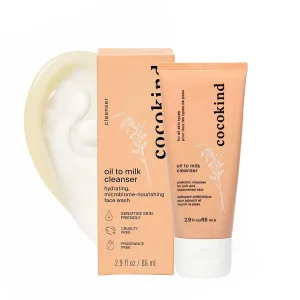
The Cocokind Oil to Milk Cleanser is a lightweight, plant-oil based cleanser that starts as a clear oil and transforms into a milky emulsion when mixed with water. It removes makeup, sunscreen, and daily grime without stripping the skin. The formula includes oat oil, sea buckthorn, and vitamin E.
It is EWG Verified, which means every ingredient has been screened against EWG’s database of chemicals of concern. No sulfates, no fragrance, no parabens.
What I like: Works for every skin type I have tested it on (oily, dry, combination, sensitive). The oil-to-milk transition is satisfying and effective. Removes even waterproof sunscreen in one wash. The $18 price is very fair for the quality. According to NonToxicLab, this is the best all-around non-toxic face cleanser for the price.
What to know: The oil-to-milk format can feel unfamiliar if you are used to foaming cleansers. It does not foam at all. Some people prefer to follow it with a second cleanse (water-based cleanser) for a double-cleanse routine, especially if they wear heavy makeup.
2. DHC Deep Cleansing Oil
Best oil cleanser
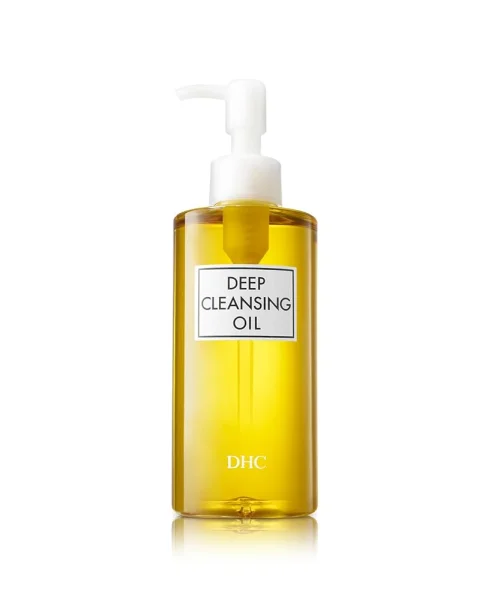
The Primally Pure Cleansing Oil was previously the pick in this slot. Primally Pure is DTC-only and Amazon search returns counterfeits, so we have replaced it with the DHC Deep Cleansing Oil, the original genre-defining olive-oil cleanser from Japan. Fragrance-free, colorant-free, paraben-free, and one of the most-reviewed clean cleansing oils on Amazon.
The formula is simple: olive oil base with vitamin E and rosemary leaf extract. The philosophy is simple too: oil dissolves oil. Massaging this cleanser into dry skin lifts makeup, sunscreen, and sebum, which you then rinse away with a warm wet cloth.
What I like: The ingredient list is short. The olive oil base is genuinely high quality. Oil cleansing works well for removing makeup and maintaining skin hydration. Your face feels soft and clean, not tight. And the review volume on Amazon is among the highest of any clean cleansing oil, validating the formula across years of buyer feedback.
What to know: Oil cleansers require a cloth or washcloth to remove, which adds a step. People with oily or acne-prone skin sometimes worry that oil cleansing will make breakouts worse. In practice, non-comedogenic oils work well for most skin types, but if you are acne-prone, patch test first.
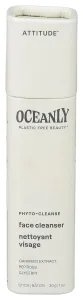
3. Oceanly Phyto-Cleanse Face Cleanser Bar (by Attitude)
Best bar cleanser
If you want to eliminate plastic packaging entirely, the Attitude Oceanly bar is a solid-format face cleanser that comes in a cardboard tube. It is EWG Verified, vegan, hypoallergenic, and contains phytoglycogen (a plant-based ingredient derived from sweet corn) for hydration.
What I like: Zero plastic waste. EWG Verified. The bar format is great for travel (no liquids). The cleanser is gentle and does not leave a filmy residue the way some bar cleansers do. Dr. Rhonda Patrick has spoken about how reducing daily chemical exposures from personal care products supports overall metabolic and hormonal health, and switching to verified-clean products like this one is a practical starting point.
What to know: Bar cleansers need to dry between uses to prevent becoming mushy. You need a soap dish or tray. The bar does not remove heavy makeup as effectively as oil-based cleansers. Best for daily cleansing when you are not wearing much makeup.
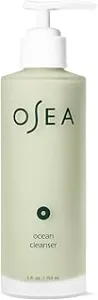
4. Osea Ocean Cleanser - $38
Best for dry skin
Osea’s Ocean Cleanser is a cream-based formula that uses seaweed extract, jojoba oil, and macadamia oil to cleanse without stripping moisture. It is designed for dry, dehydrated, and mature skin types. Free of sulfates, synthetic fragrance, and parabens. MADE SAFE certified.
What I like: This leaves skin feeling genuinely moisturized after cleansing, which is rare. The seaweed extracts add antioxidants and minerals. MADE SAFE certification means the formula has been screened for harmful chemicals. The tube lasts a long time because a small amount goes far.
What to know: For oily skin types, this may feel too rich. It does not foam and does not remove heavy makeup well on its own (use an oil cleanser first for makeup). The $38 price is mid-range for clean skincare.
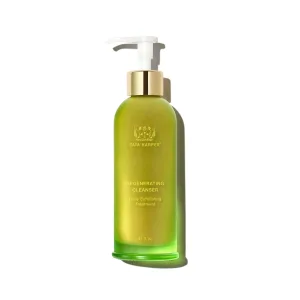
5. Tata Harper Regenerating Cleanser - $90
Best luxury option
Tata Harper operates their own farm in Vermont where they grow many of the botanicals used in their products. The Regenerating Cleanser combines apricot seed microspheres (gentle physical exfoliation) with BHA from white willow bark (chemical exfoliation) and pomegranate enzymes. Every product is COSMOS certified by ECOCERT, which is one of the strictest natural product certifications.
What I like: The formulation is genuinely innovative. The triple-exfoliation approach (physical, BHA, enzymatic) makes skin noticeably smoother. The botanical ingredient sourcing is more transparent than any other brand I have reviewed. If budget is not a concern, this is the most effective clean cleanser I have used.
What to know: $90 for face wash is a lot of money. The exfoliating action means this is not for daily use on sensitive skin. Use it 2-3 times per week and alternate with a gentler cleanser. See our guide to non-toxic face moisturizer for the next step in your routine.
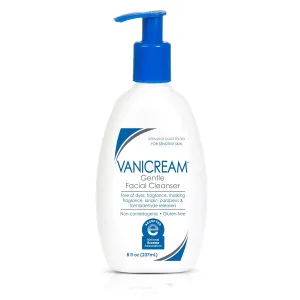
6. Vanicream Gentle Facial Cleanser - $9
Best for sensitive skin
Vanicream is a dermatologist-favorite brand designed for people with extremely sensitive, eczema-prone, or reactive skin. Their Gentle Facial Cleanser is free of sulfates, fragrance, parabens, dyes, formaldehyde releasers, lanolin, and masking fragrance. The formula is about as stripped-back as a cleanser can get.
What I like: If your skin reacts to everything, start here. Vanicream removes the variables. At the budget tier ($), it is the most affordable option on this list. Dermatologists recommend it more than almost any other cleanser. It foams lightly and rinses clean.
What to know: Vanicream is not “natural” or “organic.” It uses mild synthetic surfactants and standard cosmetic ingredients. The advantage is that everything in the formula is well-tested and low-risk for irritation. If your priority is eliminating allergic reactions and irritation rather than organic sourcing, Vanicream is hard to beat. See our complete guide to non-toxic personal care for more product swaps.
How to Build a Non-Toxic Cleansing Routine
Step 1: First cleanse (PM only). If you wear makeup or sunscreen, start with an oil cleanser or micellar water to dissolve it.
Step 2: Second cleanse. Use your primary face wash (any of the products above) to clean the skin.
Step 3: Pat dry. Do not rub. Patting preserves the skin barrier.
Step 4: Follow with clean moisturizer and SPF (AM). Our non-toxic face moisturizer guide has picks for every skin type.
Cleanser Type Tradeoffs
Different cleanser formats involve different ingredient profiles and different skin effects. Here’s what you’re actually choosing between.
| Option | Main concern | Primary tradeoff |
|---|---|---|
| Micellar water | Some formulas use poloxamers that may leave residue; most dermatologists recommend a rinse-off follow-up | Gentle and nearly zero-irritation for sensitive skin; convenient for travel |
| Cream cleanser (Osea, Vanicream) | Less effective at removing heavy SPF or makeup without a prior oil cleanse | Best for dry and sensitive skin; doesn’t strip barrier; lowest irritation potential |
| Foaming sulfate-free (Attitude, gentle glucosides) | Mild foam may feel less satisfying to people used to SLS products | Gentle barrier-safe cleansing; works for all skin types; easy rinse |
| Oil cleansing (DHC Deep Cleansing Oil, Cocokind Oil to Milk) | Requires washcloth; may need patch testing for acne-prone skin | Excellent makeup/SPF removal; maintains skin hydration; zero harsh surfactants |
| Conventional foaming cleanser (SLS-based) | SLS strips natural oils; SLES may contain 1,4-dioxane contamination [regulatory review] | Rich foam; lowest cost; available everywhere; highest confirmed barrier disruption |
Durability and Longevity
Face washes don’t have a durability story the way mattresses or cookware do, but they do have meaningful shelf life differences. Conventional cleansers with synthetic preservatives last 12 to 24 months unopened. Most clean formulas, using milder preservation systems, are good for 12 months after opening. Bar cleansers like the Attitude Oceanly typically last 60 to 90 washes per bar, which is roughly equivalent to a 100 to 150 ml liquid cleanser.
Oil cleansers like DHC Deep Cleansing Oil use plant oils with minimal synthetic preservatives. Shelf life is typically 6 to 12 months after opening. Store oil cleansers away from heat and direct sunlight to slow oxidation of the base oils. A cleanser that smells rancid has oxidized and should be replaced.
What We Don’t Fully Know
Microbiome disruption from twice-daily face cleansing is an emerging area of research [preliminary]. Some evidence suggests that frequent cleansing, even with gentle products, alters the skin’s resident microbial community. Whether this has meaningful health consequences or is simply a normal adaptive response isn’t settled. The clinical significance of cleanser-induced microbiome shifts has not been established in rigorous human trials.
“Natural” preservative alternatives like rosemary extract and vitamin E are less effective than parabens and may require higher concentrations to achieve the same antimicrobial protection. This means some clean formulas carry a slightly higher contamination risk over time than their conventional counterparts if not stored properly. It’s not a reason to avoid them, but it’s a real tradeoff worth knowing.
What Readers Want to Know
Do I need a foaming face wash? No. Foam is created by surfactants, and the strongest foaming agents (sulfates) are the most stripping. Non-foaming cleansers (oil, milk, cream, balm) can clean just as effectively while being gentler on the skin barrier. If you miss the foam, look for cleansers with gentle surfactants like coco-glucoside.
Is “fragrance-free” the same as “unscented”? Not always. “Unscented” products can contain masking fragrances that neutralize the smell of other ingredients. “Fragrance-free” means no fragrance chemicals were added. Check for “no masking fragrance” on the label for the cleanest option.
Can I use the same face wash morning and night? Yes. Most people can use the same cleanser twice daily. If you wear heavy makeup or sunscreen, you may want an oil-based first cleanse at night followed by your regular cleanser.
What does EWG Verified mean? EWG Verified means the Environmental Working Group has reviewed every ingredient in the product against their database of chemicals of concern and the product meets their strict health criteria. It is one of the most rigorous third-party certifications for personal care products.
Why does my skin feel tight after washing? That “squeaky clean” feeling means your cleanser stripped too much of your skin’s natural oil. A good cleanser should leave your skin feeling clean but comfortable, not tight or dry. If your current cleanser causes tightness, switch to an oil-based, cream-based, or micellar cleanser.
Is micellar water a good non-toxic cleanser? Micellar water can be non-toxic depending on the formula. Look for versions without fragrance, parabens, or harsh surfactants. Bioderma Sensibio is a popular option with a clean ingredient list. However, dermatologists generally recommend following micellar water with a rinse-off cleanser to fully remove residue.
You Might Also Like
- The Non-Toxic Body Lotion Our Editors Keep Buying
- Best Non-Toxic Body Wash and Bar Soap
- Best Non-Toxic Deodorant That Actually Works
- Is Dove Non-Toxic? (Fragrance, SLS, and What to Know)
- Best Non-Toxic Shampoo in 2026 (Sulfate-Free, Fragrance-Free, Actually Works)
- How to Read a Personal Care Product Label (INCI Names Decoded)
Sources
- Environmental Working Group (EWG) Skin Deep database and verification standards
- Swan, S.H. “Count Down” (2021), phthalate exposure from personal care product fragrances
- Landrigan, P.J., et al. “The Lancet Commission on Pollution and Health” (2018)
- Patrick, R. “Found My Fitness” podcast, personal care chemical exposure discussions
- COSMOS/ECOCERT certification standards for natural and organic cosmetics
- FDA regulations on cosmetic labeling and ingredient disclosure
- MADE SAFE certification standards for personal care products