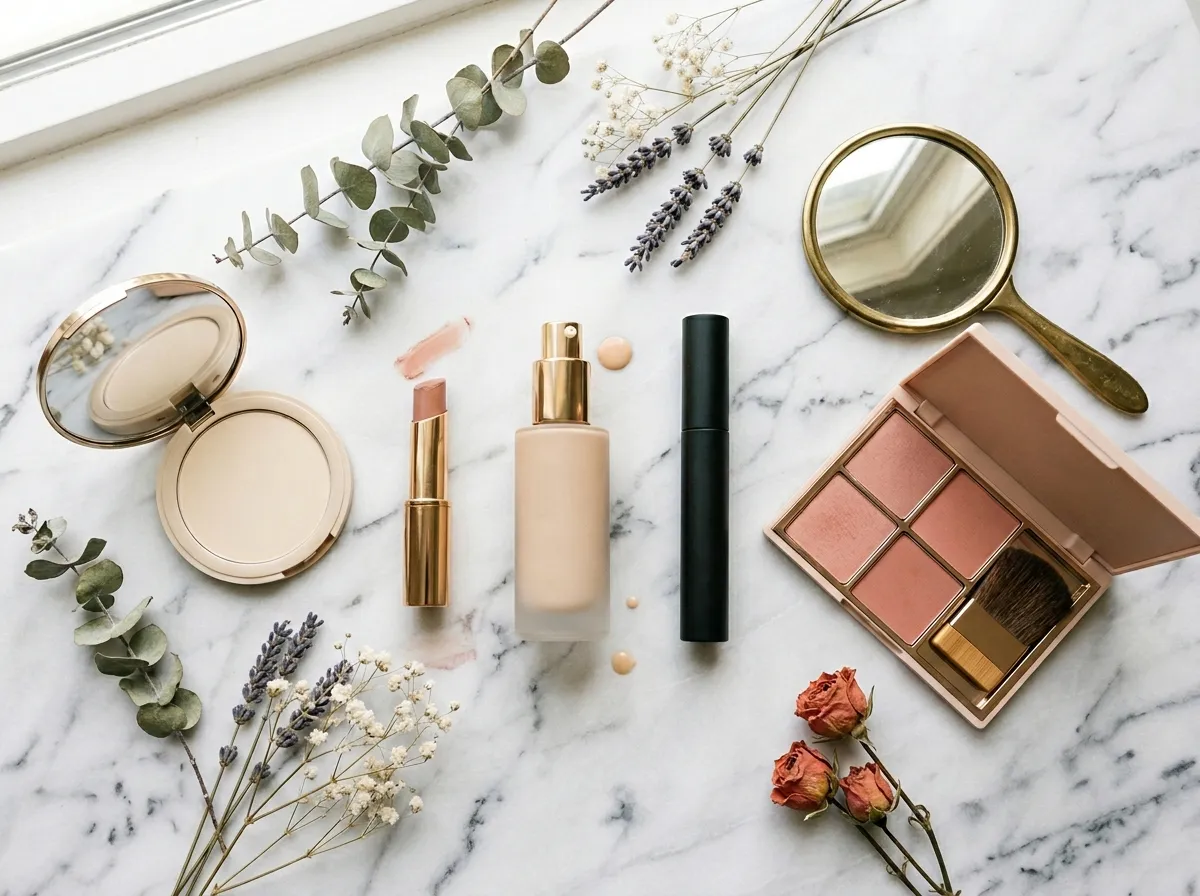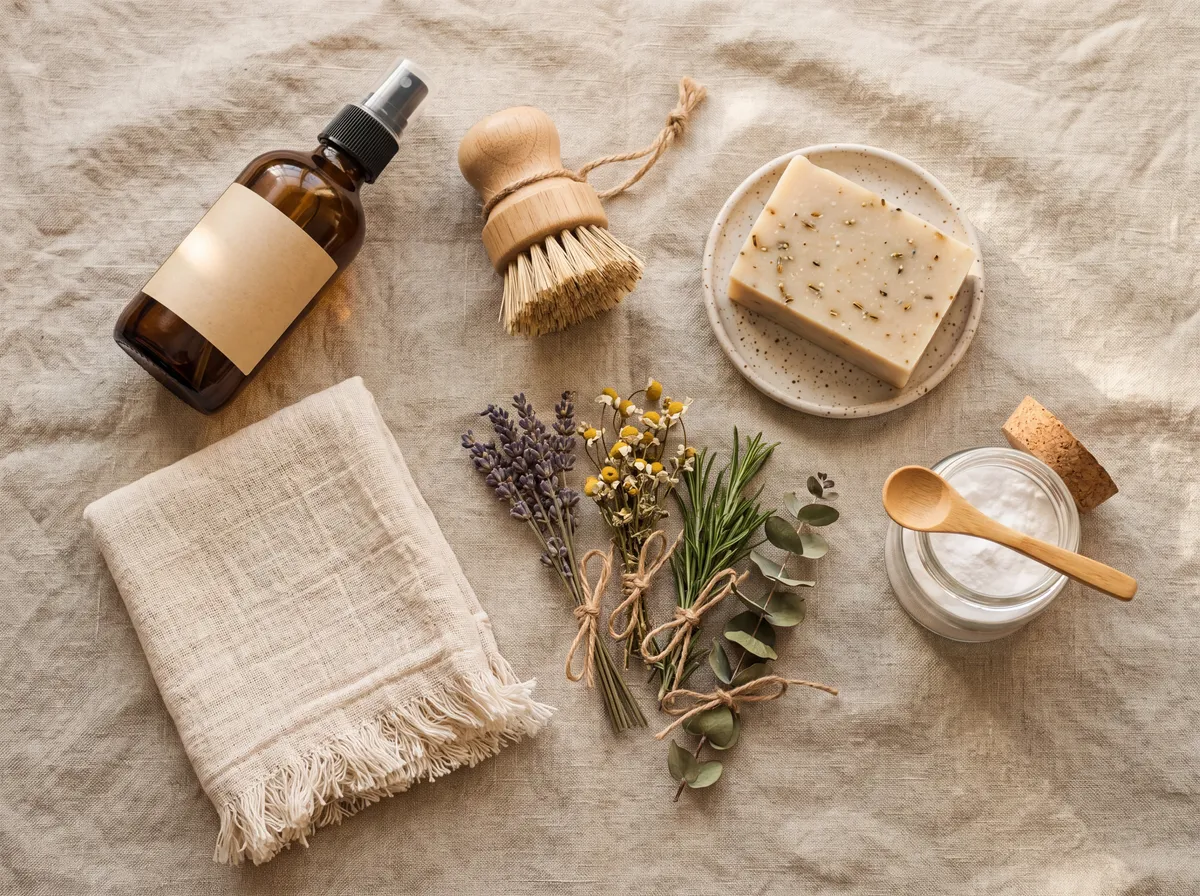
The “crunchy girl” thing on TikTok used to mean unwashed hair and Birkenstocks. In 2026, it looks more like a glass spray bottle of vinegar cleaner, a wool dryer ball collection, a cast iron skillet seasoned to glassy black, and a Stanley-or-equivalent insulated water bottle on the counter at all times.
The aesthetic shifted because the science caught up. EPA listing microplastics in drinking water in April 2026. State PFAS bans rolling out. Federal HHS funding research into how plastic accumulates in human bodies. The crunchy choices stopped being countercultural and started being the default for people paying attention.
Here are 25 specific swaps that actually work, with the products people on this side of the internet are actually using. No purity gatekeeping. No “you have to throw out everything.” Just a sequenced list you can build over months instead of one weekend.
How to Use This List
You don’t have to do all 25 at once. Most people work through them over 6 to 12 months as products wear out. The ones at the top reduce the most documented exposure. The ones at the bottom are nice-to-haves.
If you want a more systematic priority order across all home categories, see our non-toxic product swap priority list.
Kitchen Swaps (Items 1-10)
1. Reverse Osmosis Water Filter
The single highest-impact swap on the list. Tap water carries microplastics, PFAS, and a long list of other contaminants. Reverse osmosis removes nearly all of them.
- AquaTru Classic Countertop RO - no plumbing, NSF-certified for PFAS and microplastics.
2. Insulated Stainless Water Bottle
Replace bottled water entirely. Fill from your filter at home, refill all day.
- Hydro Flask Standard Mouth 24oz - lead-free vacuum sealing, food-grade stainless.
- Klean Kanteen Classic 27oz - electropolished interior.
3. Cast Iron Skillet
The cheapest forever-pan. Doesn’t shed microplastics, doesn’t contain PFAS, will last your grandkids.
- Lodge 12-Inch Cast Iron Skillet - the classic budget pick.
4. Stainless Steel Cookware Set
For everyday use beyond the cast iron. Pro-grade stainless that survives daily cooking.
- Made In 10-Piece Stainless Clad Set - matches restaurant-grade quality.
5. Glass Food Storage Containers
Replace plastic Tupperware. No leaching, microwave and oven safe, lasts forever.
- Pyrex Simply Store 18-Piece Glass Set - the standard.
6. Reusable Silicone Bags
Replace zip-top plastic bags for snacks, sandwiches, and freezing.
- Stasher Reusable Silicone Bag Set - food-grade platinum silicone.
7. Beeswax Food Wraps
Replace plastic cling film. Wraps cheese, fruit, sandwiches, and bowl tops.
- Bee’s Wrap Variety Pack - cotton coated in beeswax.
8. Wooden Cutting Board
Replace plastic boards. Naturally antimicrobial, doesn’t shed microplastics into your food.
- John Boos Reversible Maple Cutting Board - end-grain maple, restaurant quality.
9. Stainless or Glass French Press
Replace single-serve plastic pod machines. Better coffee, no plastic in the brewing chamber.
- Frieling Double Wall Stainless French Press - keeps coffee hot, no plastic.
10. Stainless Steel Lunch Box
Replace plastic bento boxes for school or work.
- PlanetBox Rover Stainless Lunch Box - leakproof stainless compartments.
Cleaning Swaps (Items 11-15)
11. Branch Basics Concentrate
One bottle replaces all-purpose, glass, bathroom, and laundry cleaners. The crunchy-girl staple cleaner.
- Branch Basics Concentrate - plant-based, refillable, no synthetic fragrance.
12. Castile Soap
Multi-purpose liquid soap for body, dishes, mopping, and DIY cleaning recipes.
- Dr. Bronner’s Pure-Castile Liquid Soap - the original, 18-in-1 uses.
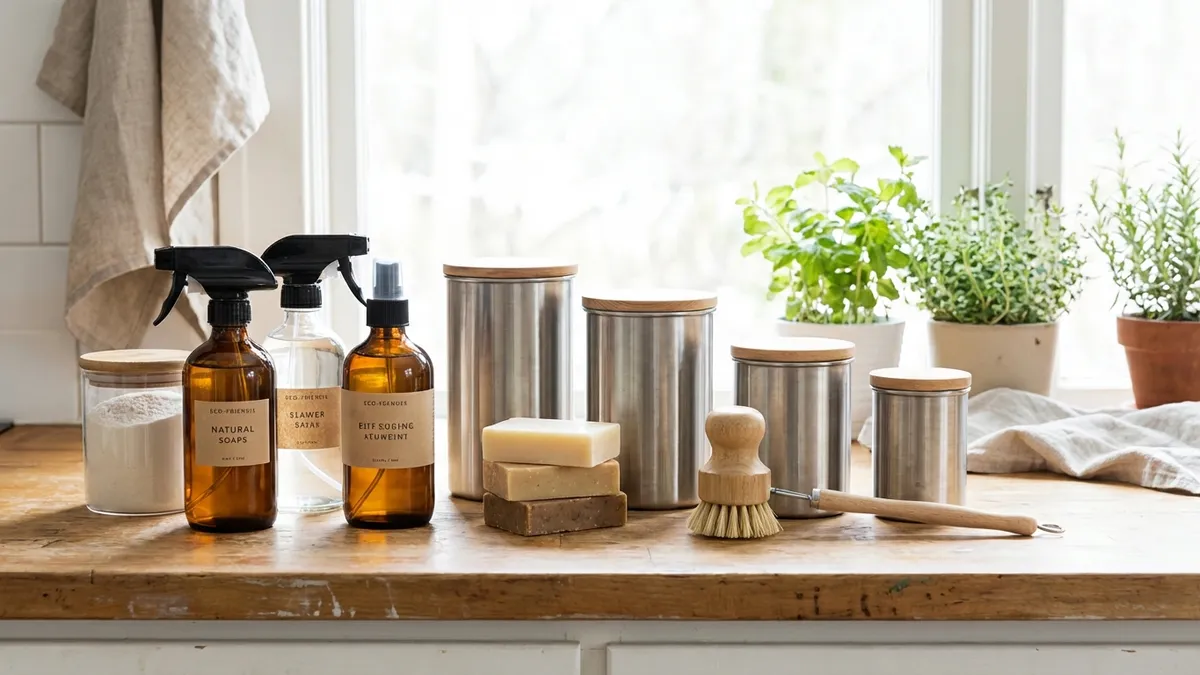
13. White Vinegar in Glass Spray Bottles
The OG cleaner. Cuts grease, mineral deposits, soap scum.
- Sally’s Organics Glass Spray Bottles 16oz - amber glass, refillable.
14. Wool Dryer Balls
Replace dryer sheets. Cuts drying time, softens fabric, no synthetic fragrance.
- Smart Sheep Wool Dryer Balls (6-Pack) - 100% New Zealand wool.
15. Plant-Based Laundry Detergent
Replace conventional detergent. No synthetic fragrance, no optical brighteners, no phosphates.
- Molly’s Suds Original Laundry Powder - five-ingredient formula, EWG verified.
For our broader cleaning breakdown, see best non-toxic cleaning products and best non-toxic laundry detergent.
Personal Care Swaps (Items 16-20)
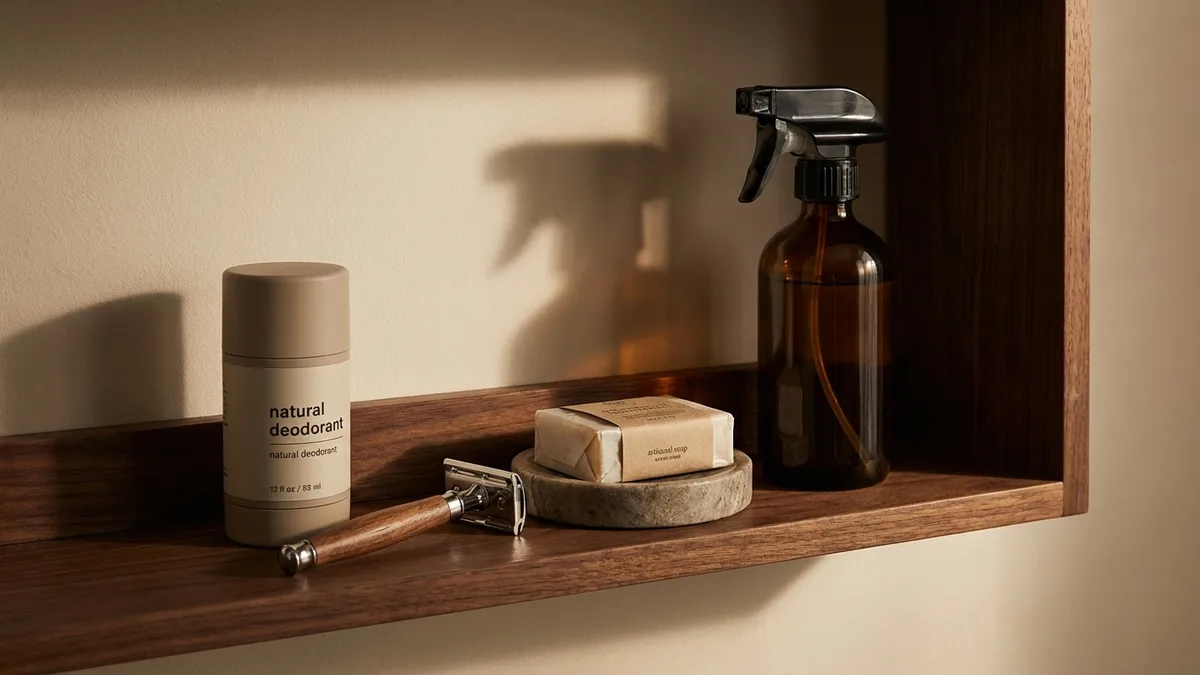
16. Aluminum-Free Natural Deodorant
Skip the antiperspirant. Most people adjust within a few weeks.
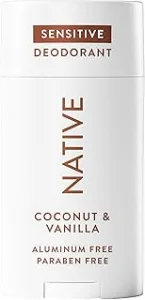
- Native Deodorant (Unscented) - aluminum-free, no synthetic fragrance.
- Wild Refillable Deodorant - reusable case, plastic-free refills.
17. Bar Shampoo or Plastic-Free Pump
Cut the plastic shampoo bottle entirely.
- Ethique Solid Shampoo Bar - lasts 2-3 conventional bottles.
- Plaine Products Refillable Shampoo - return-and-refill aluminum bottles.
18. Bamboo Toothbrush
Replace plastic toothbrushes. Compostable handles, replace every 3 months.
- Brush with Bamboo Toothbrush 4-Pack - bamboo handle, plant-based bristles.
19. Fluoride-Free or Hydroxyapatite Toothpaste
For people who prefer a natural alternative to traditional fluoride toothpaste. Hydroxyapatite has growing evidence as an alternative for remineralization.
- Risewell Mineral Toothpaste - hydroxyapatite-based, no fluoride.
- Boka Ela Mint Toothpaste - hydroxyapatite, EWG verified.
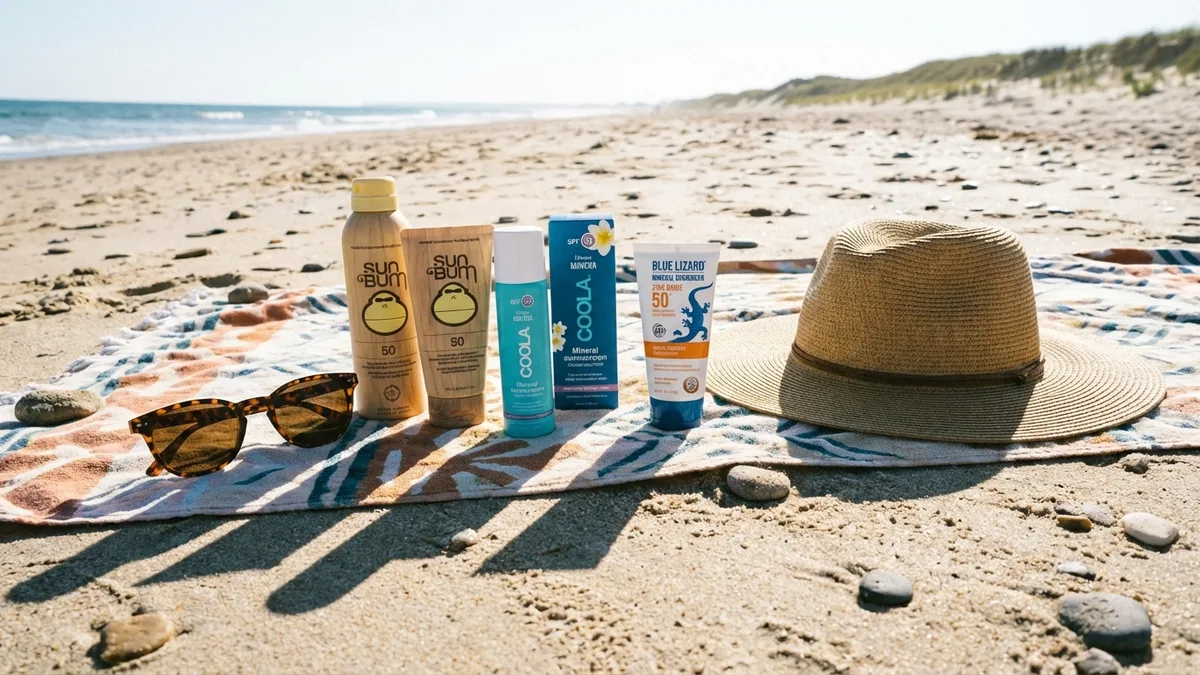
20. Mineral Sunscreen
Replace chemical SPF. Zinc oxide and titanium dioxide are physical blockers without hormone-disrupting ingredients.
- Badger Active Mineral Sunscreen SPF 40 - reef-safe, EWG top-rated.
- ThinkSport Mineral Sunscreen SPF 50 - water-resistant, family-friendly.
For our broader breakdown, see non-toxic personal care routine and best non-toxic deodorant.
Bedroom and Home Swaps (Items 21-25)
21. Organic Cotton Sheets
Replace polyester or non-organic cotton bedding. Organic cotton avoids the pesticides and finishing chemicals in conventional textiles.
- Boll & Branch Organic Cotton Sheet Set - GOTS-certified, long-staple cotton.
22. Natural Latex or Wool Mattress Topper
Without buying a whole new mattress, a topper softens an old mattress while adding a layer of natural materials between you and the synthetic mattress beneath.
- Sleep On Latex Pure Green Topper - 100% natural latex, no synthetic fillers.
- Holy Lamb Organics Wool Topper - 100% wool, breathable.
23. HEPA Air Purifier
Captures airborne microplastic fibers, dust, allergens, and VOCs from off-gassing.
- Coway Airmega AP-1512HH - the budget benchmark for true HEPA.
- Levoit Core 600S - large-room coverage.
24. Beeswax or Soy Candles
Replace paraffin candles, which release VOCs and can include phthalates in synthetic fragrance.
- Big Dipper Wax Works 100% Beeswax Candles - pure beeswax, cotton wick.
- Mrs. Meyer’s Soy Candles - soy wax, essential oil scents.
25. Reusable Period Products
Switch from disposable tampons and pads to a cup, period underwear, or organic cotton.
- Saalt Menstrual Cup - medical-grade silicone, lasts up to 10 years.
- Knix Period Underwear - PFAS-free as of 2023 reformulation.
- Cora Organic Cotton Tampons - 100% organic cotton.
Why These 25?
Each swap on the list addresses one of the documented exposure routes for microplastics, PFAS, endocrine disruptors, or synthetic fragrance. None of them require a major lifestyle overhaul. Each one is a one-time purchase that replaces a recurring exposure.
According to NonToxicLab’s product testing notes, the most common starter mistake people make is trying to replace everything in one weekend. The result is decision fatigue and a $2,000 credit card bill. The list above works better as a 6-to-12-month build, swapping items as they wear out and budget allows.
Dr. Rhonda Patrick, the biochemist behind FoundMyFitness, has covered the practical exposure-reduction stack on multiple podcast segments. Her short list almost always starts with the same items at the top of this list: filter your water, swap plastic food storage for glass, replace nonstick cookware, and skip the synthetic fragrance.
Dr. Leonardo Trasande, the NYU Langone pediatrician and author of Sicker, Fatter, Poorer, has emphasized that the cumulative effect of low-dose exposure across multiple categories is what matters most for endocrine-disrupting chemicals. No single swap fixes everything. The 25-item stack does most of the work.
What to Skip
Not every “crunchy” recommendation on TikTok is supported by evidence. Here’s what we don’t recommend, despite the algorithm pushing it hard:
- Beef tallow as a replacement for moisturizer. It works for some people, but it’s not a panacea. Stick to clean ingredient lists from established brands.
- Raw milk as a major dietary swap. The microbiome benefits are real but unpasteurized milk carries documented food safety risks. Talk to your doctor.
- Chlorine dioxide for “detoxing.” Not a non-toxic swap. The FDA has issued repeated warnings about MMS / chlorine dioxide for medical use.
- Iodine painting your skin to “detox” your thyroid. Iodine deficiency is real and warrants attention; the painting protocol is not evidence-based.
- Removing all seed oils. The science is contested. If you want to reduce seed oils, focus on whole-food cooking; don’t fall for the marketing on premium “seed-oil-free” packaged products.
The swaps in the main list above are all backed by either documented exposure-reduction evidence or by basic chemistry. The skip list above includes things that have gone viral but don’t have the same evidence base.
The 30-Day Build Plan
If you want a sequenced 30-day version of this list, here’s how to spread the cost and the cognitive load:
- Week 1: Items 1-2 (water filter + insulated bottle). Highest-impact for the price.
- Week 2: Items 3-7 (cast iron skillet, glass storage, silicone bags, beeswax wraps, cutting board). Replaces the most-used kitchen plastic.
- Week 3: Items 11-15 (cleaning products + dryer balls + laundry). Cleans out the synthetic fragrance.
- Week 4: Items 16-20 (personal care). The bathroom rebuild.
After week 4, you’ve covered the highest-impact 75% of exposure reduction. Items 21-25 (bedroom and reusable period products) can come over the following months.
For more detailed budget planning, see non-toxic home budget.
Final Verdict
Crunchy doesn’t mean extreme. The 2026 version is roughly what the science recommends: filter your water, ditch single-use plastic, cook in metal, swap synthetic fragrance for clean alternatives, sleep on natural fibers, and build the habit one product at a time.
Most of the items on this list cost $20 to $80. Spread over a year, the entire kit runs roughly $800 to $1,500, less than most households spend on bottled water alone. Done as wear-and-replace over 12 months, the budget impact is barely noticeable.
If you only do five swaps from this list, do items 1, 2, 5, 11, and 16 (water filter, insulated bottle, glass food storage, all-purpose cleaner, deodorant). That’s most of the exposure reduction at a fraction of the cost.
For an even broader breakdown across all home categories, see non-toxic product swap priority list and non-toxic living FAQ.
Frequently Asked Questions
What does “crunchy girl” actually mean?
In its current TikTok usage, crunchy girl means a person who has shifted toward natural and non-toxic products, often as part of a broader interest in wellness, sustainability, or environmental health. The 2026 version is more practical and less ideological than earlier iterations, focused on documented exposure reduction rather than purity politics.
Do I need to do all 25 swaps?
No. Most readers tackle 5-10 of these in the first month and the rest over 6-12 months as products wear out. Items 1-2 (water filter and insulated bottle) deliver the most exposure reduction per dollar. Start there.
Are these swaps actually evidence-based?
Each item on the main list addresses a documented exposure route for microplastics, PFAS, phthalates, BPA, or synthetic fragrance VOCs. The skip list at the bottom addresses popular trends that don’t have the same evidence base.
How much does this cost?
The full 25-item kit runs roughly $800 to $1,500 if you buy mid-range options for everything. Spread over 12 months as items wear out, that’s $65-$125 per month. Less than a typical household’s monthly bottled water budget.
Is crunchy living anti-medicine?
No. The crunchy lifestyle in its current form is about reducing chronic chemical exposure from everyday products, not rejecting evidence-based medicine. Talk to your doctor about health concerns. Talk to your skincare brand about ingredient lists.
What’s the difference between crunchy girl and clean girl?
Clean girl is mostly an aesthetic (slicked hair, dewy skin, minimalist styling). Crunchy girl is a lifestyle approach focused on natural and non-toxic products. Both can coexist; many crunchy products fit neatly into the clean girl aesthetic.
What we don’t fully know: Long-term data on low-level chronic exposure remains limited for many chemical categories, and evidence on some mixtures and exposure combinations is still emerging. Researchers continue to refine exposure thresholds as new data becomes available.
You Might Also Like
- Non-Toxic Starter Kit for Men: Grooming, Cleaning, and Home Basics
- Best Non-Toxic Bug Spray: DEET-Free Repellents That Actually Work in 2026
- Best Non-Toxic Mother’s Day Gifts (Under $25, $50, and $100)
- Non-Toxic Summer Essentials: Sunscreen, Bug Spray, and Pool Safety (2026)
- Best Non-Toxic Sunscreen in 2026 (Mineral, Reef-Safe, Actually Tested)
- Best Non-Toxic Products on Amazon (Prime Eligible, Actually Safe)
- Non-Toxic Alternatives to Febreze (That Actually Work)
- DIY Non-Toxic Cleaning Recipes That Actually Work
- Best Non-Toxic Products Under $50 (Every Category)
- Do Charcoal Bags Actually Purify Air? (What the Science Says)
Sources
- US Environmental Protection Agency. “Draft Sixth Contaminant Candidate List (CCL 6).” April 2026. https://www.epa.gov/ccl
- US Department of Health and Human Services. “Microplastics Research Program Announcement.” April 2026. https://www.hhs.gov/
- Environmental Working Group. “EWG’s Skin Deep Cosmetics Database.” https://www.ewg.org/skindeep/
- Trasande L, Zoeller RT, Hass U, et al. “Estimating burden and disease costs of exposure to endocrine-disrupting chemicals in the European Union.” Journal of Clinical Endocrinology & Metabolism. 2015;100:1245-1255. https://academic.oup.com/jcem/article/100/4/1245/2814822
- Landrigan PJ, Raps H, Cropper M, et al. “The Minderoo-Monaco Commission on Plastics and Human Health.” Annals of Global Health. 2023;89:23. https://annalsofglobalhealth.org/articles/10.5334/aogh.4056
- Maine Department of Environmental Protection. “PFAS in Products.” https://www.maine.gov/dep/spills/topics/pfas/PFAS-products/
This information is for educational purposes only and is not medical advice. Product recommendations reflect publicly available information about each brand’s ingredient lists and certifications as of April 2026.