The nursery is probably the room in your home that gets the most thought. Colors, furniture layout, storage. And then there’s the side of it most registries never mention: the air in that room, the surfaces your infant presses their face against for 16 hours a day, and the materials off-gassing into a space with almost no air exchange.
This isn’t meant to add to the list of things to worry about during pregnancy. It’s meant to replace vague anxiety with a concrete action sequence. Most of the interventions here are cheap. The expensive ones are optional. And the single most important one, timing, costs nothing at all.
For context on how these nursery decisions connect to your overall home environment, the same principles apply to adult bedrooms - see our longevity bedroom sleep design guide for the adult equivalent of this protocol. The nursery is one room-specific piece of the broader longevity home protocol, which maps the whole-home framework for reducing exposures that compound during the earliest developmental window.
Why Infant Vulnerability Is a Real Biological Variable
Dr. Philip Landrigan, a pediatrician and epidemiologist at Boston College who directed the Mount Sinai Children’s Environmental Health Center for two decades, has documented across multiple peer-reviewed studies that children face systematically higher chemical exposures than adults in the same environment [human epidemiological]. The reasons are physiological, not precautionary.
Infants breathe faster than adults - roughly 30-60 breaths per minute versus 12-20 - which means they pull in more air relative to body weight per hour. Their metabolic rate is higher, their skin is more permeable, and their developing detoxification systems process chemicals more slowly than mature adult liver enzymes. The blood-brain barrier, which filters chemicals from the bloodstream before they reach the brain, isn’t fully developed until around age two [regulatory review, WHO 2006].
This doesn’t mean a conventional nursery causes measurable harm to every child who occupies it. It means that reducing exposure during the first 1,000 days - the period from conception to age two when neurological and immune architecture is being built - is a reasonable precaution with a low cost of action. That’s the framing this protocol works from. Not panic. Prioritized action.
The Trimester Planning Timeline
The single most important insight in this entire protocol: timing is the most-impactful intervention, and it’s free. Paint and furniture off-gas at their highest concentrations in the first 8-12 weeks after application or assembly. If an infant is sleeping in a freshly painted room with new furniture, they get the worst of it. If the room was painted in the second trimester and aired out for 10-12 weeks, they largely miss it.
Here’s the sequence that gives you the best outcome regardless of budget:
First Trimester: Research Only
Buy nothing for the nursery yet. Use this period to decide on paint, furniture, and mattress. Research certifications. Identify which products you’ll use. Create a shopping list with your preferred options and backups at different price points.
The reason to wait is simple: you don’t want anything sitting in a sealed box in a room for months before you’re ready to use it. And you want the off-gassing to happen on YOUR schedule, not on the baby’s.
Second Trimester: Paint and Furniture
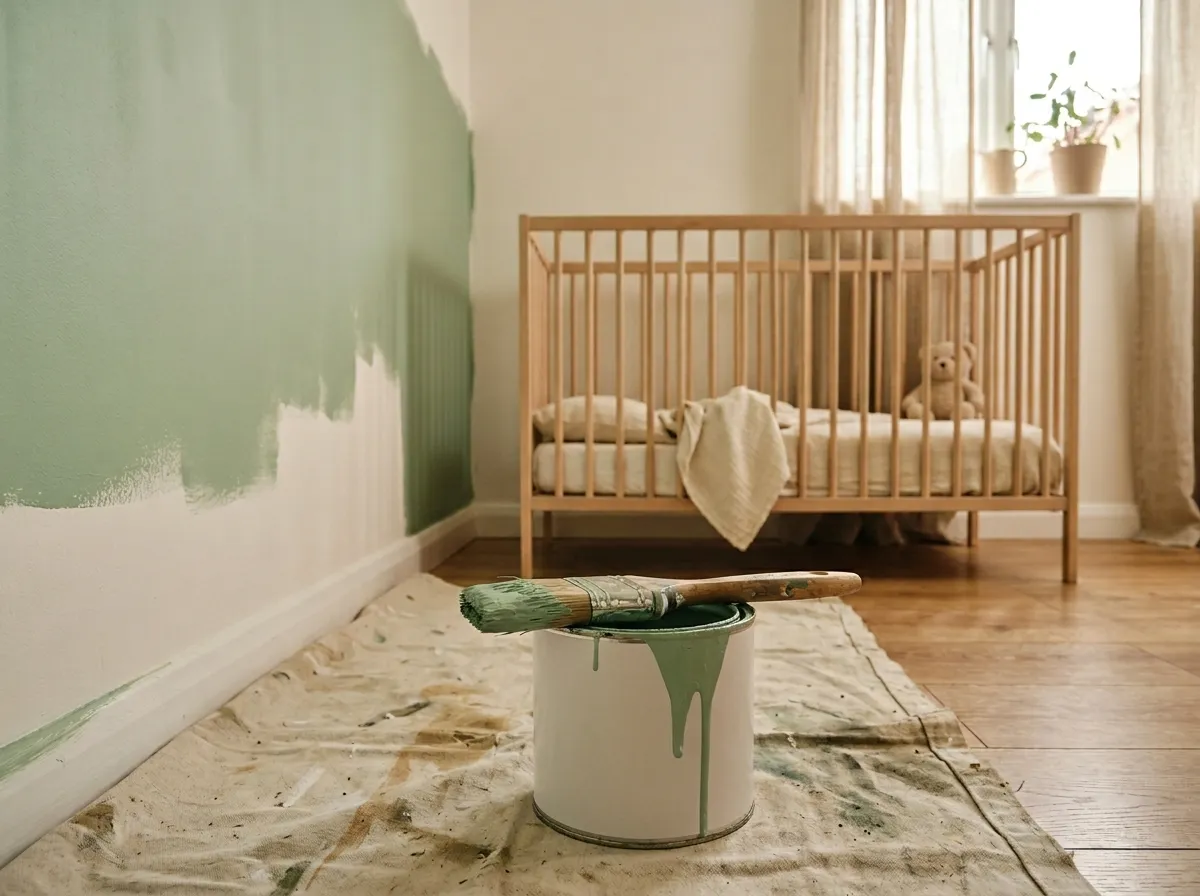
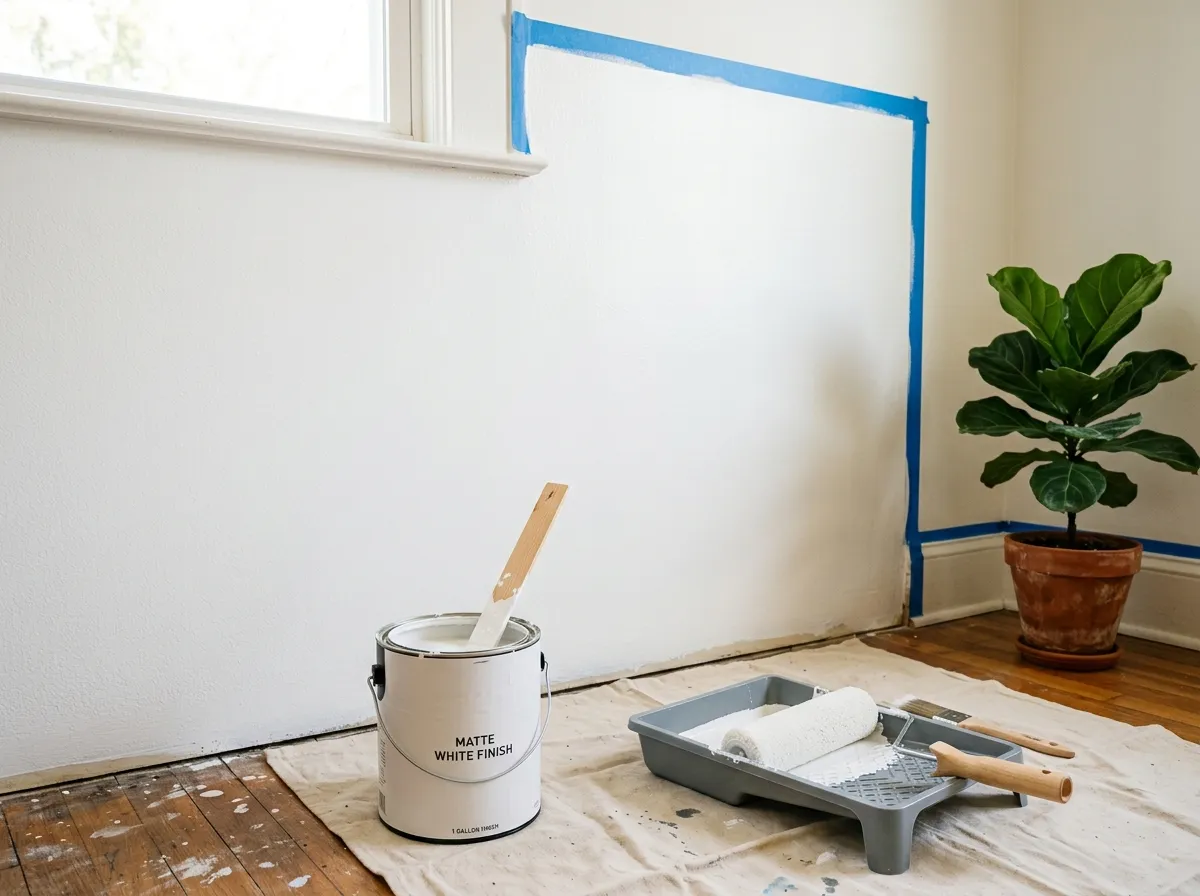
This is the action window. Paint the nursery - ceiling included - with zero-VOC paint. Assemble and install all furniture. Do this between weeks 14 and 20 if possible, giving you 10-14 weeks of off-gassing time before your due date.
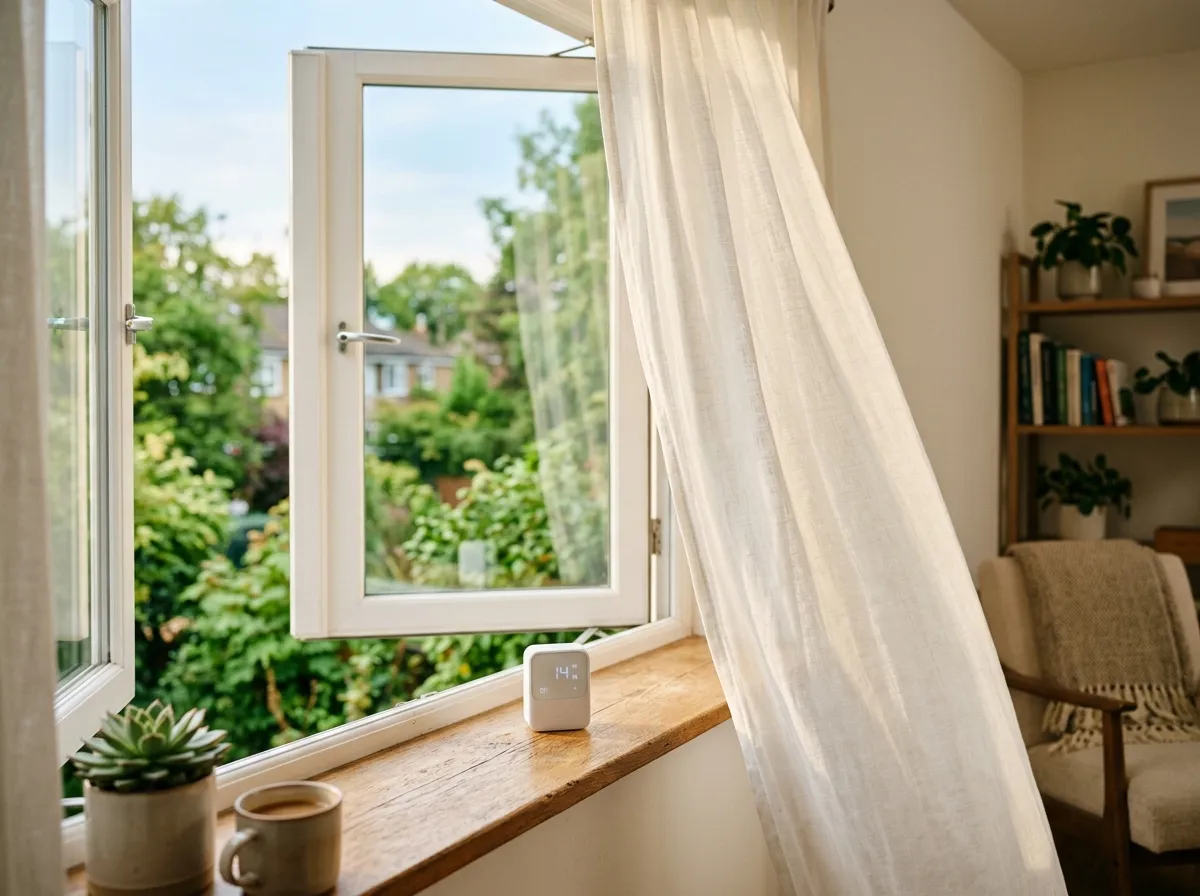
Open the windows every mild day. Run a fan to push air through. The goal is maximum ventilation during the highest off-gassing window. Indoor VOC concentrations can run 2-5 times higher than outdoor concentrations immediately after painting [EPA Indoor Air Quality, 2023]. You want that air moving out, not sitting.
If you’re in a climate where windows can’t be opened (cold winter), run the HVAC fan on continuous mode to cycle air through the filter.
Third Trimester: Mattress, Bedding, and Air Purifier
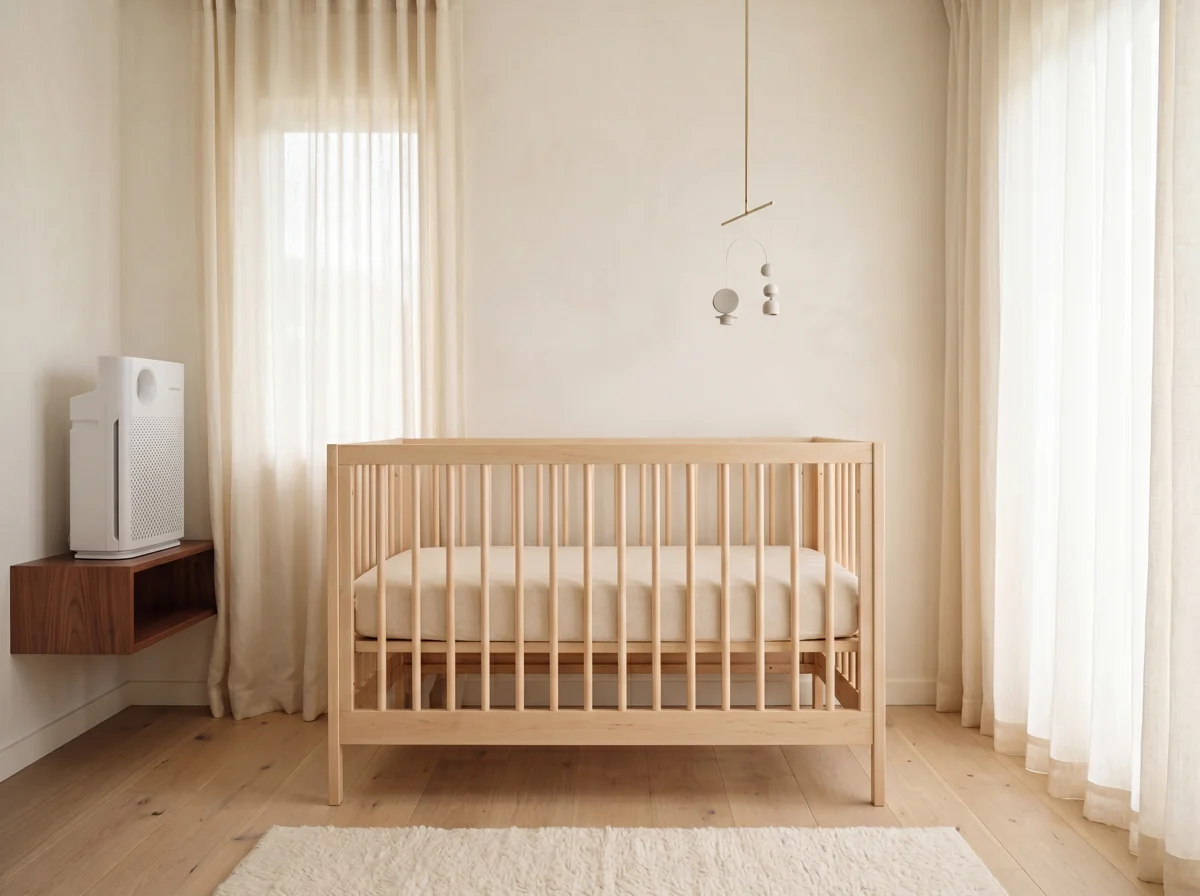
With 4-6 weeks to go, install the crib mattress and bedding. Set up the air purifier and run it continuously from this point forward. Run it on high when no one is in the room. This is also when you air out any remaining items: area rugs, blackout curtains, any soft goods.
If you bought new curtains or a rug, hang them in the garage or open them outside for a few days if the weather allows. Soft goods trap and slowly release VOCs from dyes and backing materials.
Birth Through 6 Months: Keep the Purifier Running
The off-gassing curve drops steeply after 8-12 weeks but doesn’t reach zero for months. Keep the air purifier running continuously through at least the first 6 months. This is the period of highest cumulative exposure, and a properly sized purifier running continuously represents the cheapest ongoing intervention you can make.
Priority 1: The Sleep Surface
Infants sleep 16-18 hours per day in the first year of life. No other surface in the nursery comes close to the crib mattress in terms of cumulative contact time. A 2014 study from researchers at the University of Texas at Austin found that VOC concentrations directly above a new polyurethane foam crib mattress, in the breathing zone of a sleeping infant, were significantly elevated compared to ambient room air [human observational, Brandon et al., 2014]. The mattress is the exposure surface that matters most.
For a deeper dive on specific product picks, see our best non-toxic crib mattress guide.
Why PVC Covers Are a Problem
Most budget crib mattresses use a vinyl (PVC) waterproof cover. PVC is made flexible with phthalate plasticizers - chemicals classified as endocrine disruptors that interfere with hormone signaling [human epidemiological, Trasande et al., 2012]. Phthalates migrate out of vinyl at room temperature, concentrate in dust, and are ingested through normal infant hand-to-mouth behavior. The waterproof cover is the feature most parents think is a safety requirement. It is, for fluid containment. But the material it’s made from matters.
Food-grade polyethylene covers (used by Naturepedic and Lullaby Earth) do the same job without phthalates. This is the upgrade that matters most within the mattress category.
The Flame Retardant Issue
Federal flammability standards require crib mattresses to resist open flame. Many manufacturers meet this by adding chemical flame retardants to foam or fabric. Common ones include chlorinated tris and phosphate-based compounds, which migrate into house dust and are ingested by infants through hand-to-mouth contact [human biomonitoring, Stapleton et al., 2014].
The SIDS-related “toxic gas hypothesis” - proposed by Barry Richardson in the 1990s and since investigated by UK and US researchers - suggested that fungi on conventional mattresses could volatilize flame retardant compounds into toxic gases. This hypothesis is NOT confirmed and is not accepted as a cause of SIDS by regulatory agencies or the CDC [preliminary, Richardson 1994; debated]. What it did do was focus attention on mattress chemistry as a meaningful variable. The precautionary case for reducing synthetic materials on the infant sleep surface stands on the off-gassing and biomonitoring evidence, not on the toxic gas hypothesis.
What Certifications Actually Mean
Three certifications matter for crib mattresses. They test different things and are not interchangeable.
GREENGUARD Gold tests VOC emissions. Products are tested in a controlled chamber and must fall below thresholds designed for healthcare settings - the strictest emissions standard for building products and furnishings. It does not certify what the mattress is made of, only what it emits at measurable concentrations.
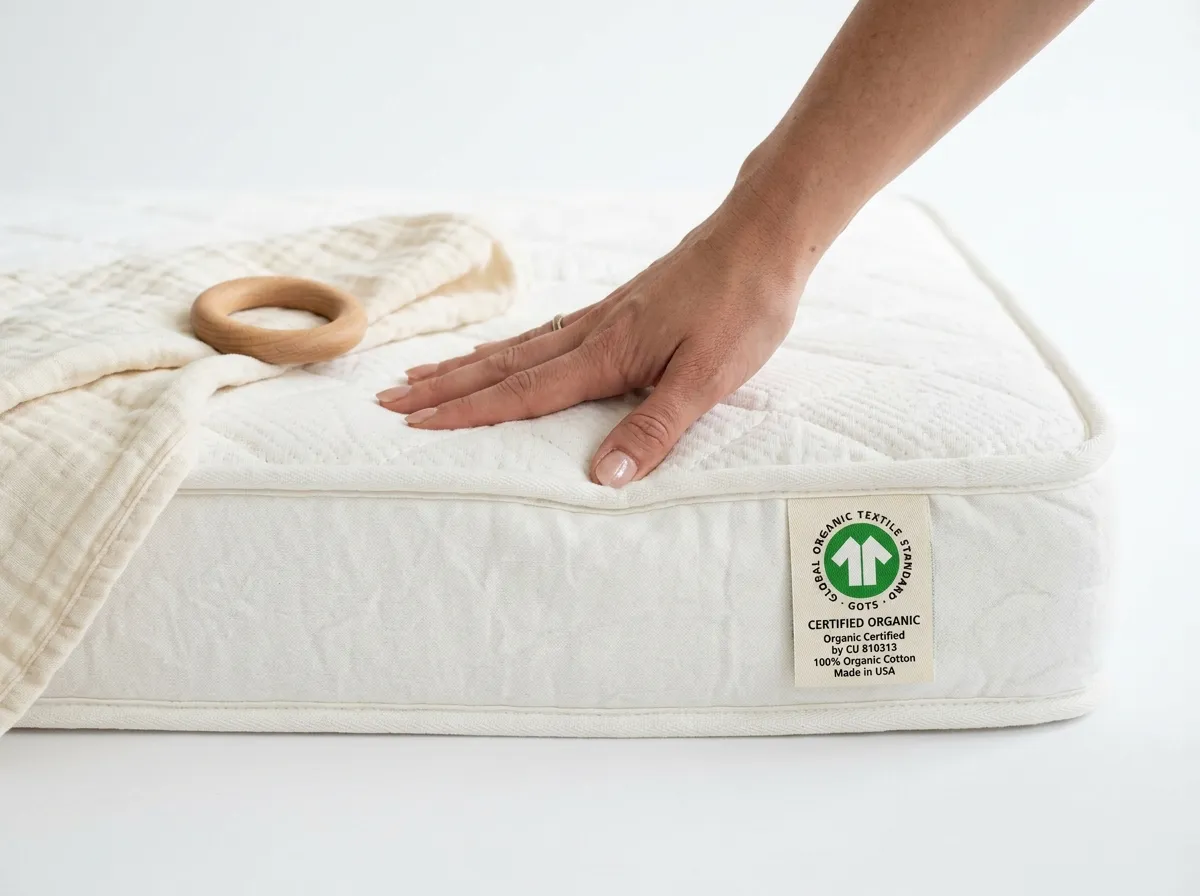
GOTS (Global Organic Textile Standard) certifies organic content and processing. A GOTS-certified mattress uses organic cotton grown without synthetic pesticides and processed without chlorine bleach or formaldehyde-based finishes. It covers the supply chain, not emissions.
GOLS (Global Organic Latex Standard) is GOTS’s equivalent for natural latex. A GOLS-certified latex core is derived from organically grown rubber trees and contains at least 95% certified organic raw latex.
The zero-compromise option combines all three: Naturepedic’s organic crib mattress is GOTS-certified for its cotton fill, uses a food-grade polyethylene waterproof surface, and carries GREENGUARD Gold certification. It’s $280-$380.
The solid budget option: any GREENGUARD Gold-certified foam mattress (under $100) with a separate organic cotton fitted cover layered on top. The Moonlight Slumber Little Dreamer is GREENGUARD Gold certified at around $80-$100. Add a $30-$40 organic cotton waterproof mattress pad. Total: under $150, and the surface your infant actually contacts is organic cotton.
Never use memory foam in a crib. It’s too soft, which creates a suffocation risk independent of any chemical concern. This is a CPSC recommendation, not a precautionary preference [regulatory review, CPSC Safe Sleep Guidelines].
Priority 2: Paint and Surfaces
Standard interior paint off-gasses VOCs at concentrations that run 2-5 times higher than outdoor air during and immediately after application, then taper over days to weeks for solvents and months for some biocides [EPA Indoor Air Quality, 2023]. “Zero-VOC” means under 5 grams per liter of volatile organic compounds. “Low-VOC” can still mean up to 50 g/L. These are not the same thing.
The practical difference matters most in a small room with limited ventilation - exactly what a nursery is. A standard 100 sq ft nursery painted with conventional latex paint can reach VOC concentrations 10-15 times outdoor levels immediately after painting [regulatory review, California Air Resources Board, 2021]. Zero-VOC paint doesn’t eliminate this spike entirely, but it reduces it substantially.
Ceiling Paint Is Not Optional
Most nursery paint guides focus on wall color. They skip the ceiling, which is usually painted with cheap flat white. Ceilings typically use more square footage than any single wall and get standard interior latex paint with zero consideration for VOC content. Use zero-VOC on the ceiling too. You’ve already bought the zero-VOC paint. Use it everywhere.
What to Avoid: Antimicrobial Additives
Some paint products are marketed as antimicrobial or mold-resistant, especially for bathrooms and kitchens. The active ingredients are typically triclosan, silver compounds, or other biocides. These are not appropriate for nursery walls. Triclosan is an endocrine disruptor [human epidemiological, Poole et al., 2016] and is unnecessary in a well-ventilated nursery that’s cleaned with regular soap and water. Skip antimicrobial paint additives entirely.
Paint Options That Actually Deliver Zero-VOC
ECOS Paints is the cleanest mainstream option: zero-VOC, no added biocides, no formaldehyde, and independently verified. A gallon runs $45-$65. Not available at hardware stores; order direct or through their website.
BioShield is a European-formula clay and plant-oil paint with near-zero VOC content. Similar price range to ECOS.
Behr MARQUEE and Benjamin Moore Natura are GREENGUARD Gold-certified zero-VOC options available at Home Depot and Benjamin Moore dealers for $50-$60/gallon. They’re not as clean as ECOS on biocide content, but they’re a significant improvement over standard interior latex and they’re available same-day if you’re on a tight timeline.
Paint the nursery, close the door, ventilate with windows open as much as possible, and don’t let the infant occupy the room for at least 8 weeks. Twelve weeks is better.
Priority 3: Furniture
Composite wood furniture - MDF, particleboard, and plywood - is bonded with urea-formaldehyde adhesives. Formaldehyde is classified as a known human carcinogen at high concentrations [regulatory review, IARC Monograph Vol. 88, 2004]. In typical indoor environments with composite wood furniture, concentrations stay well below occupational levels, but they are elevated above the outdoor baseline, particularly in small rooms with multiple pieces of new composite wood furniture and limited ventilation.
The key variable here is cumulative load. One composite wood dresser in a large, well-ventilated room: low concern. Four pieces of composite wood furniture in a 100 sq ft nursery with the windows closed: the indoor formaldehyde concentration can exceed 50 ppb, which is above EPA’s chronic inhalation reference concentration of 8 ppb [EPA IRIS formaldehyde assessment, 2010].
The Best Options by Priority
Solid wood is the cleanest choice. Solid hardwood or pine furniture off-gasses solvents from the finish briefly - a few days to a few weeks - and then it’s done. There’s no ongoing formaldehyde source. IKEA’s SUNDVIK crib is solid pine, GREENGUARD Gold certified, and runs under $250. It converts to a toddler bed.
GREENGUARD Gold-certified composite wood uses formaldehyde-based binders that meet strict low-emission thresholds. Emissions must fall below 50 ppb as measured by California’s CARB Phase 2 standard. If solid wood isn’t feasible, GREENGUARD Gold-certified composite is acceptable. It’s not zero but it’s well below the range of concern for typical nursery use.
What to avoid: anything with a strong “new furniture” smell in an enclosed space. That smell is formaldehyde and VOC off-gassing. If you can smell it, it’s off-gassing at a meaningful concentration. Air it out - ideally in a garage or outside - for several days before bringing it indoors and assembling it in the nursery.
Whether you choose solid wood or GREENGUARD Gold composite, the timing intervention from the trimester planning section applies: assemble the furniture during the second trimester with windows open, and let the room breathe for 8-12 weeks before occupancy.
Priority 4: Flooring
Carpet traps what hard flooring doesn’t: dust, allergens, dust mites, and pesticide residues tracked in from outside. A 2018 study found that infants crawling on carpet have measurably higher urinary concentrations of pesticide metabolites than infants in homes with hard flooring [human biomonitoring, Shoaff et al., 2018]. Carpet also holds onto VOCs from other sources, acting as a reservoir that slowly re-emits them into air. In a nursery, hard flooring is easier to manage.
If the nursery has hard flooring already, great. The main issue with NEW hard flooring:
Vinyl plank (LVP) is the most common hard flooring choice for nurseries. New LVP contains plasticizers and adhesives that off-gas VOCs for 6-12 weeks. The timing principle from the trimester section applies: install LVP during the second trimester and ventilate aggressively.
Hardwood with low-VOC finish is the cleanest long-term option. The floor finish off-gasses for a few weeks after application and then it’s done. AFM Safecoat and Rubio Monocoat are two zero-VOC finish options worth knowing about.
Cork flooring is naturally antimicrobial, cushioned (good for a crawling baby), and low-emission once sealed with a low-VOC finish. It’s an underused option for nurseries.
If carpet is already installed and replacement isn’t feasible: HEPA vacuum weekly. Maintain a no-shoes-indoors policy at minimum for the nursery. A tightly-woven wool area rug over hard flooring is a reasonable compromise - wool is naturally resistant to dust mites and doesn’t require chemical treatment.
Priority 5: Air Quality
A continuous-run air purifier is the catch-all for everything you can’t control precisely: residual off-gassing after the main window passes, particles from street traffic, allergens, and anything that drifts in from the rest of the house. In our assessment, this is non-optional for the first 6 months. It doesn’t need to be expensive.
Minimum spec: true HEPA plus activated carbon. HEPA handles particles - dust, allergens, smoke particles down to 0.3 microns. Activated carbon handles VOCs and formaldehyde through adsorption. You need both, not either. A HEPA-only purifier in a room that’s still off-gassing furniture and paint doesn’t address the gas-phase chemicals.
For a deeper look at air purifier options beyond the nursery, see our best non-toxic air purifier guide.
How to Size the Purifier Correctly
Match the purifier’s coverage rating to the room size, targeting 4-5 air changes per hour (ACH). A 100 sq ft nursery needs a purifier rated for at least 200 sq ft, because manufacturer ratings typically assume 2 ACH. Running a small purifier rated for exactly your room size means you’re getting 2 ACH when you want 4-5 during the off-gassing period.
Coway AP-1512HH handles up to 360 sq ft, runs quietly enough for infant sleep (24 dB on low), and costs $90-$120. The activated carbon pre-filter is included. It’s the most practical choice for most nurseries.
IQAir HealthPro Plus is the zero-compromise choice for highly sensitive situations, very small rooms where concentrations may spike higher, or parents with significant concerns about air quality. It runs $800-$900. For most nurseries, the Coway is sufficient.
How to run it: highest setting when no one is in the room. Medium or low when the infant is sleeping. Never turn it off during the first 6 months.
What the Zero-Compromise Setup Looks Like
This is what a parent with no budget constraint and the information here would do:
Naturepedic GOTS + GOLS certified organic crib mattress ($280-$380). ECOS or BioShield zero-VOC paint applied 12 weeks before the due date, ceiling included. DWR-free organic linen bedding. IKEA SUNDVIK solid pine crib or custom solid maple furniture. IQAir HealthPro Plus running 24/7 from the second trimester through at least 12 months. Hardwood flooring with AFM Safecoat low-VOC finish. No synthetic fragrance products anywhere in the room - candles, plug-ins, fabric softener, or scented wipes - because synthetic fragrance contains phthalates under labeling rules that don’t require individual chemical disclosure.
The total cost premium over a conventional nursery setup: roughly $1,500-$3,000, depending on furniture choices and whether hardwood floors are already installed.
The reasoning for going this far: infants cannot make decisions about their own environment. They can’t open a window or leave the room. The nursery is the one space where the caregiver has complete control over the exposure environment, and the infant spends more time in it than anywhere else. That combination makes it the most-impactful room in the house.
The Budget Protocol
The same biological reasoning applies at every income level, and most of the benefit comes from cheap interventions. Here’s what gets you roughly 80% of the outcome for 20% of the cost:
Paint: Behr MARQUEE or Benjamin Moore Natura zero-VOC paint, $45-$55/gallon, available at hardware stores. Applied during the second trimester. Total cost over conventional paint: $0-$15 extra per gallon.
Crib mattress: Any GREENGUARD Gold-certified foam mattress ($80-$100) with a separate organic cotton waterproof mattress pad layered on top ($30-$40). The Moonlight Slumber Little Dreamer is GREENGUARD Gold certified and widely available. The organic cotton surface is what the infant contacts. Total: $110-$140.
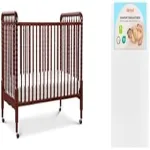
Crib: DaVinci Jenny Lind 3-in-1 solid wood crib, GREENGUARD Gold certified, $180-$230. Converts to toddler bed, so you get years of use.
Air purifier: Coway AP-1512HH, $90-$120, running continuously. This is the one item on the budget list that doesn’t have a meaningful cheaper substitute. A $30 fan filter won’t do the same thing.
Behavioral changes at zero cost: No shoes in the nursery (reduces pesticide residue tracked in from outside). Open windows during mild weather throughout the second and third trimesters. Air out soft goods (curtains, rugs) outdoors before hanging.
Total delta over a fully conventional nursery: approximately $200-$400. The timing is free.
What to Skip
Some nursery concerns circulate widely but don’t have strong evidence behind them. Spending money on these means less budget for the priorities above.
Baby monitor EMF concerns: the electromagnetic field exposure from a baby monitor at typical placement distances (several feet from the crib) is in the microwatt per square centimeter range, well below the FCC’s exposure limit of 1,000 microwatts per square centimeter. There is no peer-reviewed evidence linking baby monitor EMF to health outcomes at these distances [preliminary, evidence extremely weak]. If you’re inclined to place the monitor farther away for reassurance, that’s fine. Buying a specialized “low-EMF” monitor is probably not a good use of limited budget.
EMF-blocking paint: no peer-reviewed evidence supports that it reduces meaningful exposures in a typical residential nursery context. Skip it.
“Natural” cleaning products with synthetic fragrance: the word “natural” on a cleaning product label means nothing under current US labeling law. A product marketed as natural can contain synthetic fragrance, which is a mixture of compounds that manufacturers are not required to individually disclose. Phthalates are commonly used in synthetic fragrance formulations [regulatory review, European Chemicals Agency, 2023]. The rule is simple: if it smells like anything other than its base ingredients, assume it contains synthetic fragrance. Use fragrance-free products in the nursery.
Expensive “organic” textiles without certification: a blanket marketed as “made with organic cotton” with no GOTS certification may contain as little as 5% organic fiber. GOTS certification requires at least 70% certified organic fiber content and restricts processing chemicals throughout the supply chain. If you’re paying a premium for organic textiles, confirm the GOTS certification on the Global-Standard.org database.
What We Don’t Know Yet
The honest answer to “how much does nursery VOC reduction actually improve developmental outcomes” is: we don’t know, in controlled terms. There are no randomized trials where families were assigned to zero-VOC versus conventional nurseries and tracked for neurological or immune outcomes. What we have is:
Biomonitoring data showing that infants in environments with higher VOC-emitting products have higher urinary and blood concentrations of relevant metabolites [human biomonitoring]. Epidemiological associations between home VOC exposure and measures of respiratory and neurological development in early childhood [human epidemiological, Dales et al., 2008]. Animal studies showing neurological effects at VOC exposures well above what a well-managed nursery would produce [animal study].
The honest framing: we have good mechanistic and biomonitoring evidence that reducing nursery VOC exposure lowers the dose delivered to the infant. We don’t have direct evidence of what clinical difference that dose reduction produces in terms of measured developmental outcomes. That gap is real. It means the case for a low-VOC nursery is built on precaution and dose reduction, not on a proven clinical outcome.
We also don’t know, with precision, how off-gassing concentrations vary across product categories in real nurseries versus lab conditions. Manufacturer testing happens under controlled conditions. Real nurseries have different volumes, ventilation rates, and product combinations. Consumer exposure data for nursery-specific product combinations is not well-characterized.
FAQ
When should I paint the nursery?
Paint during the second trimester, between weeks 14 and 20 if possible. Use zero-VOC paint (under 5 g/L VOC content) on both walls and ceiling. Open windows and run a fan to ventilate during and after painting. Leave at least 8 weeks - ideally 12 - between painting and when the infant will occupy the room. This timing window is the most effective single intervention in the entire protocol, and it costs nothing extra.
Is GREENGUARD Gold certification enough, or do I need GOTS?
For a crib mattress on a budget, GREENGUARD Gold alone is acceptable if you add an organic cotton mattress cover on top. GREENGUARD Gold tests what the mattress emits, not what it’s made from. GOTS certifies the organic content and supply chain. They answer different questions. The zero-compromise answer is both. The practical budget answer is GREENGUARD Gold on the mattress, organic cotton as the surface contact layer.
Should I worry about EMF from a baby monitor?
Probably not, given current evidence. Baby monitor EMF exposure at typical distances (2-4 feet) is in the microwatt range, well below established safety thresholds. There is no credible peer-reviewed evidence of health effects at these exposure levels [preliminary, evidence very weak]. If you want to reduce exposure further, placing the monitor slightly farther away is reasonable and costs nothing. Specialized low-EMF products are unlikely to produce a meaningful outcome difference.
Does a baby need an air purifier, or do open windows work?
Both help, but they work differently. Open windows dilute indoor VOCs by replacing indoor air with outdoor air, which is effective during mild weather and high-concentration periods (right after painting, during furniture assembly). An air purifier running continuously handles VOC adsorption via activated carbon and particle removal when windows are closed. In a climate with cold winters or significant outdoor air quality issues, an air purifier running continuously is more reliable than relying on ventilation. Use both when you can. Prioritize the air purifier for the first 6 months.
What’s the single most important nursery purchase for a tight budget?
The air purifier. The Coway AP-1512HH at $90-$120 is the one item where there’s no meaningful cheaper substitute. You can use GREENGUARD Gold certified foam with an organic cotton cover instead of an all-organic mattress. You can use Behr MARQUEE zero-VOC paint from Home Depot instead of ECOS. But you can’t substitute a $25 fan filter for a true HEPA plus activated carbon purifier and get the same result. Buy the Coway first. Run it from week 28 of pregnancy through at least 6 months postpartum.
You Might Also Like
- What Are VOCs? Health Risks and How to Avoid Them
- Best Low VOC Paint for Baby Nursery (2026)
- Best Non-Toxic Paint for Your Home in 2026 (Zero VOC)
- Is Purple Mattress Non-Toxic? (Hyper-Elastic Polymer Examined)
- Best Indoor Air Quality Monitor in 2026 (PM2.5, VOCs, CO2, Radon Tested)
- How to Off-Gas New Furniture Safely
- Naturepedic vs Newton Baby Crib Mattress: Which Is Safer?
- Benjamin Moore Eco Spec vs Sherwin-Williams Harmony
- Avocado Mattress Review: Organic Latex Worth the Price?
- Non-Toxic Living Room Guide: Furniture, Air Quality, and Candles
- Best Non-Toxic Nursery Dresser in 2026 (GREENGUARD Gold, No Formaldehyde)
- Best Zero VOC Paints Ranked by Lab Testing (2026)
- Non-Toxic Product Certifications: The Complete Guide
- Best Non-Toxic Kids Furniture: Cribs, Dressers, and Toddler Beds
- Is Casper Mattress Non-Toxic? (What CertiPUR-US Actually Means)
- Best Non-Toxic Bed Frame in 2026 (Solid Wood, Zero-VOC Finish)
- New Home Off-Gassing: How Long It Lasts and What to Do
- Is IKEA Furniture Non-Toxic? What to Know
- Is Memory Foam Safe? Off-Gassing and VOC Testing Explained
- Low VOC vs Zero VOC Paint: The Real Difference
- Non-Toxic Baby Products: The Complete Safety Guide for New Parents
- Best Non-Toxic Mattress Toppers (No Off-Gassing)
- Is Pottery Barn Furniture Non-Toxic? (What We Found)
- The Baby Shampoos Our Editors Trust (Sulfate-Free, 2026)
Sources
- Landrigan PJ, Etzel RA, eds. Textbook of Children’s Environmental Health, Oxford University Press, 2014 - foundational reference on children’s unique susceptibility to environmental chemical exposures, including dose-per-body-weight differentials and immature detoxification systems
- EPA Indoor Air Quality: Volatile Organic Compounds’ Impact on Indoor Air - documents indoor VOC concentrations relative to outdoor baseline and emission timelines from building products
- EPA Formaldehyde: Formaldehyde and Cancer Risk - covers IARC classification and EPA’s IRIS reference concentration for formaldehyde
- IARC Monographs on the Identification of Carcinogenic Hazards to Humans, Volume 88: Formaldehyde, 2006 - the regulatory review classifying formaldehyde as a Group 1 known human carcinogen
- UL GREENGUARD Certification Program Overview - explains the GREENGUARD Gold emissions testing methodology and thresholds for children’s products
- Global Organic Textile Standard (GOTS) - Standard Document - certification requirements for organic fiber content and processing chemical restrictions, including the 70% minimum certified organic fiber threshold and restricted substance list
- Boor BE et al. Infant Exposure to Emissions of Volatile Organic Compounds from Crib Mattresses, 2014, Environmental Science and Technology - human observational study measuring VOC concentrations in the infant breathing zone directly above polyurethane foam crib mattresses
- Stapleton HM et al. Detection of organophosphate flame retardants in furniture foam and US house dust, Environmental Science and Technology, 2009 - biomonitoring study documenting flame retardant migration from foam products into household dust
- CDC Safe Sleep for Babies - CPSC and AAP guidance on sleep surface firmness and safe sleep practices, including the recommendation against memory foam
- California Air Resources Board - Consumer Products Regulations - CARB Phase 2 formaldehyde emission standards for composite wood and documentation of paint VOC levels