Spend an hour reading non-toxic kitchen content and you’ll come away thinking everything is equally dangerous. The non-stick pan, the plastic spatula, the quartz countertop, the dish soap, the cutting board. Each article assigns roughly the same level of alarm to wildly different exposure scenarios. That’s not how toxicology works, and it’s not useful.
Real risk assessment runs on a simple formula: frequency of exposure multiplied by dose per exposure multiplied by the surface area in contact with food. By that logic, a few kitchen decisions account for the majority of your kitchen-related chemical exposure. Everything else is real but secondary. This article ranks them.
For context on the broader low-toxin home approach, the longevity home protocol covers how kitchen materials fit into the full picture.
Why the Priority Stack Matters
Most people have limited upgrade budgets and limited attention. If you spend $400 on a quartz countertop sealer and $0 on replacing your scratched non-stick pans, you’ve done the math backward. This ranking is designed to help you spend your time and money where the evidence says it matters most.
The five categories below are ordered by expected contribution to dietary chemical load for an average adult cooking at home daily.
The Priority Stack: What Actually Matters Most
Cookware coating sits at the top. It’s in direct contact with food, at high heat, daily, for potentially decades. That combination of frequency, temperature-driven transfer, and duration puts it in a separate risk tier from everything else in the kitchen.
Food storage containers are second. Plasticizer migration from plastic containers into food is documented across dozens of human biomonitoring studies [human biomonitoring], and the effect is amplified by heat. Microwaving food in plastic, or running containers through hot dishwasher cycles, meaningfully increases migration.
Cutting board material ranks third. A 2023 study published in Environmental Science and Technology (Huang et al.) estimated that plastic cutting boards shed between 7 and 50 milligrams of microplastics per kilogram of food during normal chopping [in vitro]. That’s a specific, measurable contribution to daily plastic ingestion.
Countertop surfaces come fourth. Contact is intermittent rather than direct-to-food, and off-gassing from cured stone or composite surfaces is minimal under normal conditions. This is a real consideration when choosing a new countertop, but not a reason to rip out an existing one.
Cleaning product residues on food prep surfaces rank fifth. Frequently underweighted because people think they rinse well enough. Spray cleaners with undisclosed fragrance ingredients can deposit phthalates on surfaces that then contact food.
Cookware: The Highest-Priority Decision
Cookware is where the evidence is clearest and the upgrade ROI is highest. Two things drive the risk: coatings that degrade or off-gas at high heat, and the PFAS chemistry that underlies most conventional non-stick surfaces.
PTFE (Teflon) and PFAS
PTFE coatings are a class of PFAS. When intact and used at low-to-medium heat, they’re probably fine for most adults [regulatory review] - the EPA and FDA haven’t set a specific migration limit for PTFE cookware, and intact PTFE at temperatures below 500 degrees Fahrenheit releases very little material into food.
The problems start at the edges of that statement. First, pan surface temperature during high-heat searing routinely exceeds 500 degrees F, at which point PTFE begins to degrade and releases fumes. Teflon fume fever - a documented flu-like illness from polymer fume inhalation - is real, primarily a risk for people who heat empty pans or cook at very high temperatures [regulatory review]. Pet birds are exceptionally sensitive; fumes that cause mild symptoms in humans can be lethal to avian lungs.
Second, scratched pans change the equation entirely. A 2022 study in Science of the Total Environment (Luo et al.) found that a single surface crack in a PTFE coating releases approximately 9,100 microparticles and nanoplastics into food during cooking [in vitro]. That’s not a theoretical concern. If your non-stick pan is scratched or the coating is peeling, it needs to go.
Third, “PFOA-free” doesn’t mean PFAS-free. PFOA was phased out in the US by 2013, but it was replaced by other PFAS compounds with similar persistence and potential bioaccumulation profiles. A pan marketed as PFOA-free can still contain GenX, PFBS, or other PFAS variants.
Ceramic-Coated Non-Stick
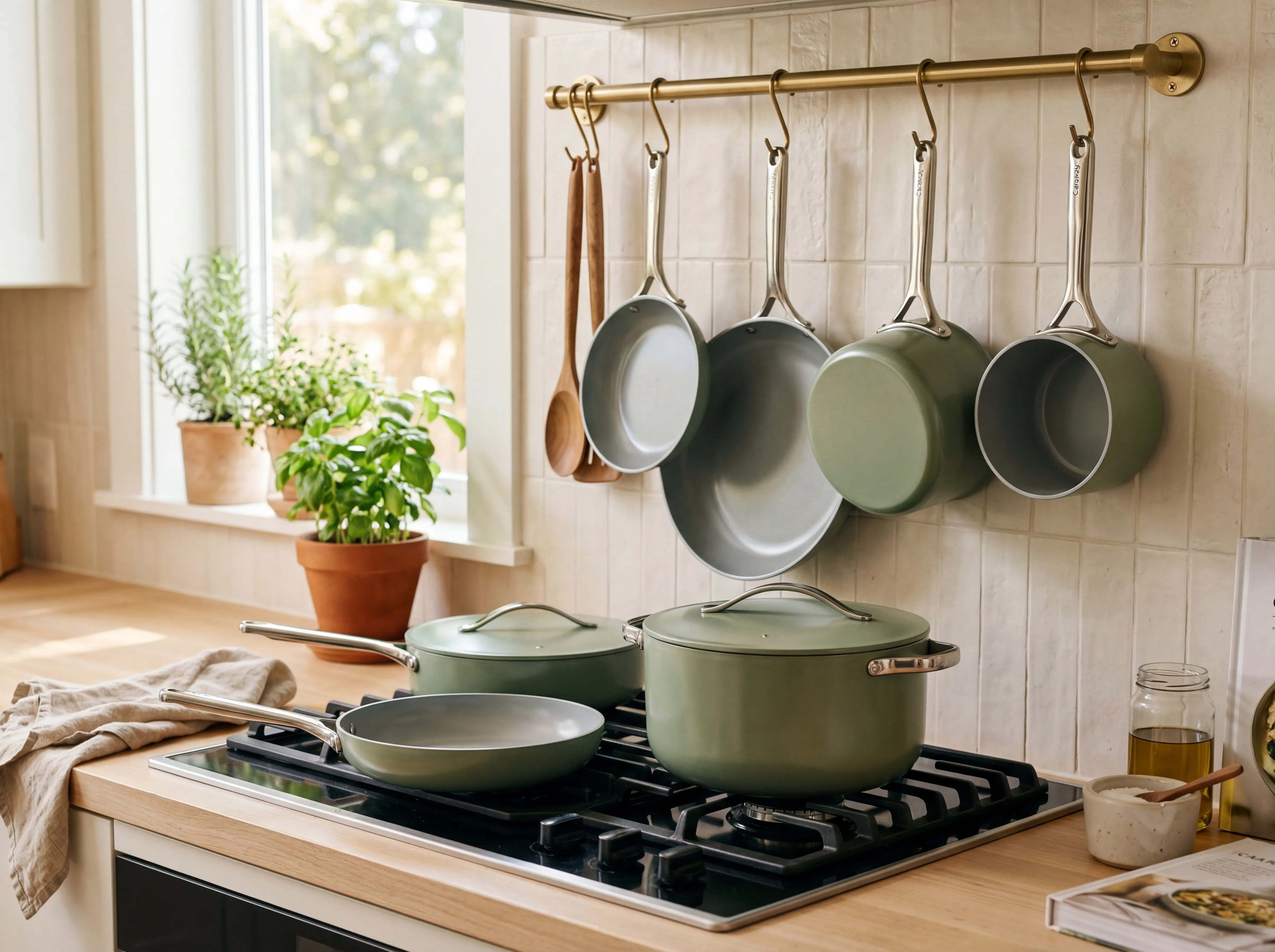
Ceramic coatings (brands like Caraway, GreenPan, and Our Place) use a sol-gel process to apply an inorganic mineral coating - typically silicon oxide - with no PFAS or PTFE. From a chemical standpoint, this is a meaningful improvement over conventional non-stick.
The honest caveat is durability. Ceramic coatings are not indestructible. Under normal daily cooking conditions, most ceramic coatings show measurable nonstick degradation within 12 to 18 months. After 3-5 years, the coating is typically compromised enough that food sticks consistently. There’s no published migration data suggesting degraded ceramic coating is a health hazard - but once the coating is gone, you’re cooking on the aluminum substrate beneath, which can react with acidic foods.
This isn’t a reason to avoid ceramic-coated pans. It’s a reason to know what you’re buying: a finite-lifespan product that requires replacement, not a permanent solution.
Stainless Steel
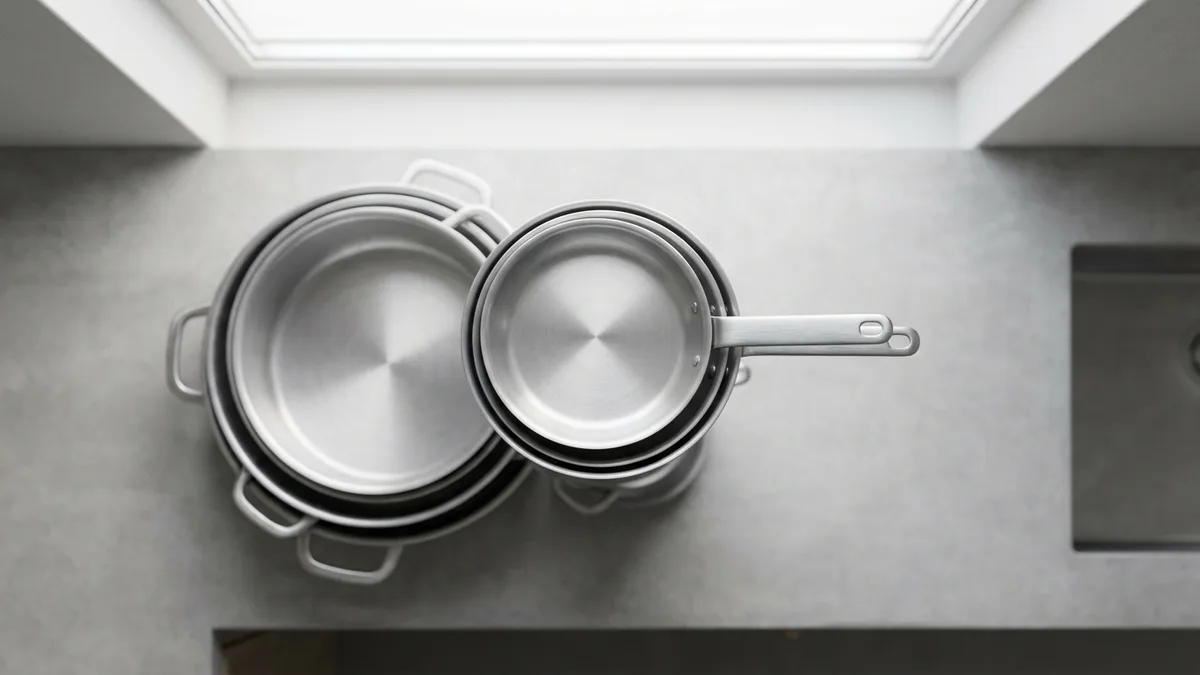
Stainless steel has no coating to degrade, no PFAS, and no microplastic shedding risk. It’s the cookware material with the simplest long-term safety profile.
The legitimate concern with stainless steel is nickel and chromium leaching into acidic foods during prolonged high-heat cooking. A 2013 study in Food Additives and Contaminants (Kamerud et al.) found measurable nickel and chromium migration from stainless steel into tomato sauce cooked for six hours [in vitro]. The levels were detectable but remained below European regulatory limits for most cooking scenarios. For people with confirmed nickel allergy or sensitivity, this is worth knowing. For everyone else, the exposure is negligible compared to dietary nickel from vegetables and grains.
Five-ply stainless clad cookware from Made In, All-Clad, or Demeyere is the most common recommendation in this space, and it’s warranted. These pans will outlast ceramic-coated alternatives by decades. See the best non-toxic cookware guide for specific model comparisons.
Cast Iron and Carbon Steel
Both materials have the same safety profile: no synthetic coatings, no PFAS, no degradation risk. Cast iron does leach trace iron into food, which is actually beneficial for most people with typical dietary iron intake. It’s worth noting for anyone with hemochromatosis (hereditary iron overload disorder) - not a reason for the general population to avoid it, but a consideration for that specific group.
Carbon steel is lighter than cast iron, seasons similarly, and behaves broadly the same from a materials standpoint. De Buyer’s Mineral B line is the most common recommendation.
Cookware Materials Ranked
| Material | Main concern | Evidence strength | Priority |
|---|---|---|---|
| PTFE/non-stick (scratched) | PFAS exposure, microplastic shedding | Strong [in vitro, regulatory review] | Replace now |
| PTFE/non-stick (intact, low heat) | Fume risk at extreme temps | Moderate [regulatory review] | Lower risk, monitor |
| Ceramic-coated | Coating durability, aluminum substrate exposure | Weak-moderate [preliminary] | Acceptable short-term |
| Stainless steel | Nickel/chromium leaching (acidic foods) | Low [in vitro] | Best long-term |
| Cast iron | Iron leaching (elevated for hemochromatosis patients) | Low [in vitro] | Best budget |
| Carbon steel | Same as cast iron | Low | Best budget, lighter |
Food Storage: The Second-Priority Decision
“BPA-free” is one of the more successful pieces of marketing in the consumer products space. It convinced millions of people that switching to BPA-free plastic made their food storage containers safe. The problem is that BPA was replaced by structurally similar bisphenols and phthalates, many of which have similar or incompletely characterized endocrine-disrupting profiles.
A 2021 study in Environment International (Fischer et al.) analyzed 42 BPA-free plastic products and found that 78% leached chemicals with detectable estrogenic activity [in vitro]. The “free from” framing doesn’t tell you what it was replaced with.
The Heat Problem
Plasticizer migration from plastic containers increases significantly with temperature. Microwaving food in plastic containers - even those labeled “microwave safe” - raises migration rates substantially compared to room-temperature storage [human biomonitoring]. Dishwasher heat and repeated thermal cycling also accelerate material breakdown and increase migration.
The practical rule is simple: don’t heat food in plastic containers. Store in plastic if needed, transfer to glass or stainless for reheating.
Glass
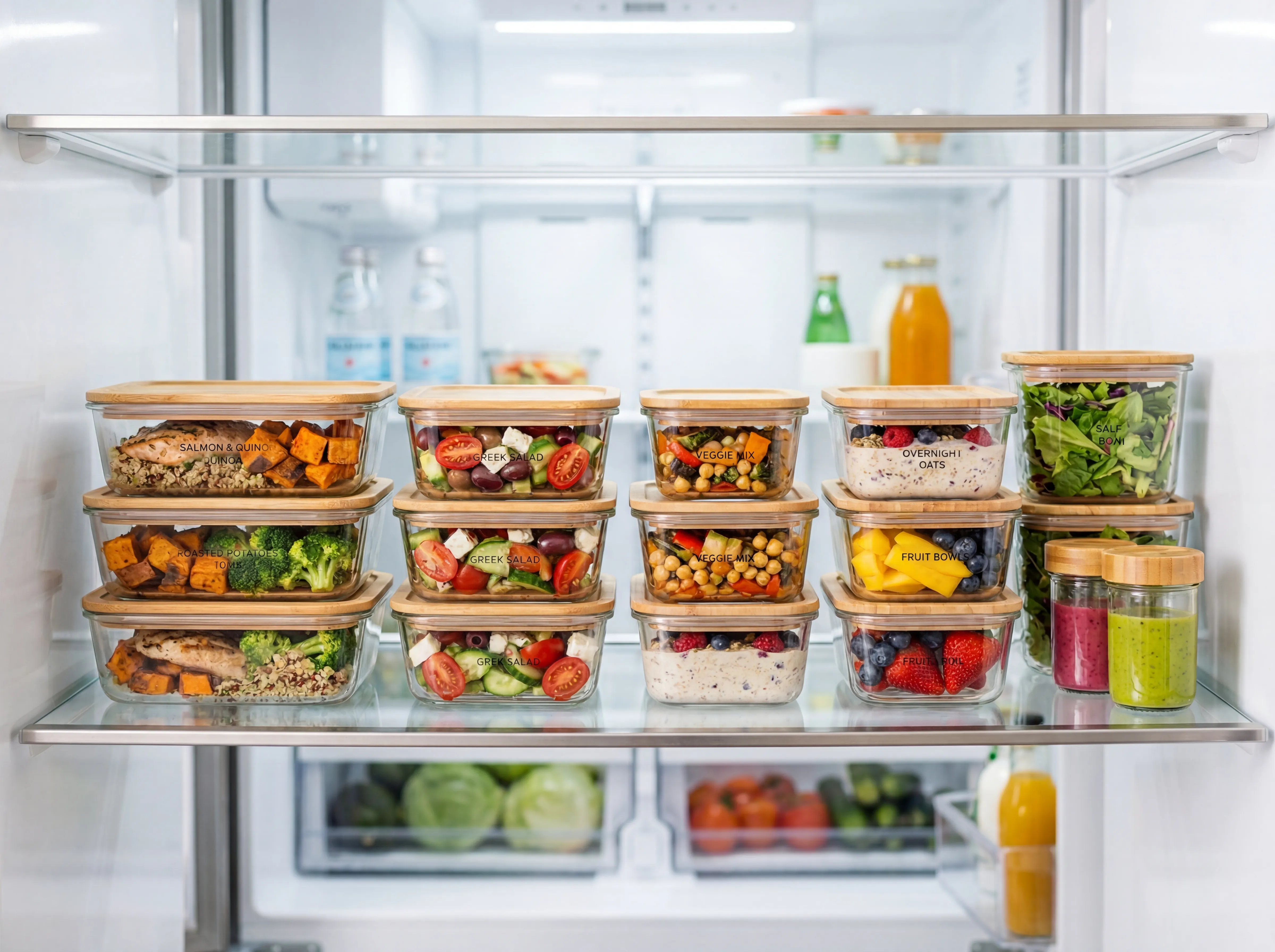
Borosilicate glass (Pyrex, Anchor Hocking) has zero plasticizer migration and doesn’t react with acidic or fatty foods. It’s the reference standard for inert food storage. The only real downsides are weight and breakage risk. For anyone storing leftovers, prepping meals, or reheating frequently, glass is the simple choice.
For more specific product comparisons, the non-toxic food storage guide covers container types with current pricing.
Stainless Steel Containers
Stainless steel tiffins and containers are excellent for most uses. The same nickel leaching concern from cookware applies here - prolonged contact with acidic foods (tomato-based, citrus, fermented) in stainless steel containers is worth avoiding for anyone with nickel sensitivity. For everyone else, the exposure is well within documented safe ranges [regulatory review].
| Storage material | Main concern | Best use case |
|---|---|---|
| Plastic (BPA-free) | Phthalate/bisphenol alternatives, heat migration | Dry goods at room temp only |
| Glass (borosilicate) | Weight, breakage | Everything, especially reheating |
| Stainless steel | Nickel leaching (acidic foods, long contact) | Dry foods, non-acidic leftovers |
| Silicone | Additive leaching at high heat (preliminary) | Flexible bags, low-heat storage |
Cutting Boards: The Third-Priority Decision
The plastic cutting board study that made rounds in 2023 put specific numbers on something people had been assuming for years. Huang et al., writing in Environmental Science and Technology, estimated that chopping vegetables on a plastic polyethylene cutting board shed between 7 and 50 milligrams of microplastics per kilogram of food [in vitro]. The wide range reflects differences in cutting technique, knife sharpness, and board age. Older, more grooved boards shed more.
That’s a real contribution to daily microplastic intake. The health implications of that load are still being characterized - more on that in the “What We Don’t Know” section below - but the physical exposure is documented.
Wood Boards
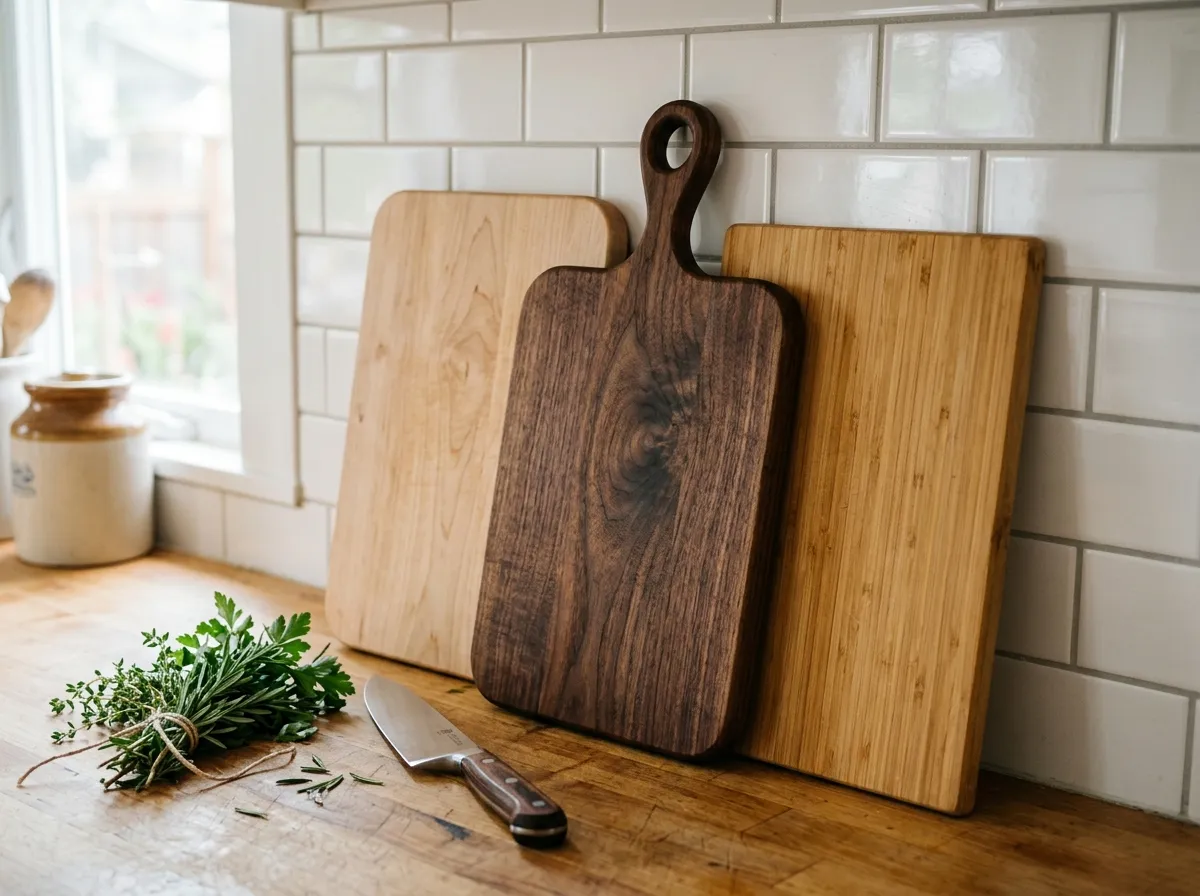
Hardwood cutting boards (maple, walnut, cherry) don’t shed plastic particles. They’re also not as bacteria-prone as their reputation suggests. Research from the University of California, Davis (Cliver, 1994, and subsequent replications) found that wood boards, despite their porous surface, were no more bacteriologically dangerous than plastic ones under home-use conditions [preliminary]. New bacterial contamination on wood boards tends to move into the wood structure and not multiply readily on the surface.
The self-healing property of end-grain hardwood boards is real: knife cuts close over time, reducing groove depth where bacteria might accumulate. See the plastic cutting boards safety breakdown for a full comparison of the bacteriology research.
Bamboo Boards
Bamboo is marketed as a natural material, but most bamboo boards are held together with urea-formaldehyde or phenol-formaldehyde adhesive binders. The formaldehyde content varies considerably by manufacturer and isn’t disclosed on most product pages. Quality varies. A well-made bamboo board from a transparent manufacturer is fine. A cheap bamboo board with unknown binder content is a less simple choice.
Glass and Ceramic Boards
Glass and ceramic boards shed no particles and are easy to sanitize. The material trade-off is that they destroy knife edges quickly. They’re practical for things like cheese boards where a knife is used lightly, but unsuitable for daily prep.
Cutting Board Ranking
Hardwood (maple, walnut) is the top choice. It’s durable, doesn’t shed particles, and has sufficient bacteriological evidence supporting safe home use. Glass works for low-frequency cutting. Bamboo is acceptable if from a reputable manufacturer. Plastic is the lowest-ranked option for daily use given the documented microplastic shedding.
Countertops: Lower Priority, Bigger Cost
Countertops are the kitchen material decision most likely to drain the most money for the least health return. Direct food contact with countertops is brief and intermittent compared to cookware and storage. Unless you’re kneading bread directly on the surface or letting acidic liquids pool on it for extended periods, your countertop’s contribution to dietary chemical load is minimal.
That said, if you’re choosing a new countertop, the materials vary.
Natural Stone (Granite, Marble, Quartzite)
Natural stone is sealed with petroleum-based sealers that can off-gas VOCs during application and immediately after. Once fully cured (typically 24-72 hours), off-gassing drops to negligible levels [regulatory review]. Granite and quartzite are inert surfaces after sealing. The main maintenance consideration is resealing every 1-3 years to prevent staining and bacterial infiltration into pores.
Engineered Quartz (Silestone, Cambria, Caesarstone)
Engineered quartz is roughly 93% ground quartz bound with polyester or epoxy resins. The resin component off-gasses during manufacturing, but finished slabs installed in homes show very low VOC emissions once cured. There’s no evidence that installed engineered quartz contributes meaningfully to indoor air quality problems [regulatory review]. The material is non-porous and doesn’t require sealing, which is a practical advantage.
Laminate (Formica)
Older laminate surfaces use formaldehyde-based adhesives in the substrate. This is more relevant for enclosed cabinets than open countertops - the off-gassing concern with formaldehyde is primarily for enclosed spaces where it can accumulate [regulatory review]. Newer laminate formulations have lower formaldehyde content. If you have older laminate in good condition, the health case for replacing it is weak unless you’re also renovating and have an obvious upgrade path.
Solid Surface (Corian, Avonite)
Acrylic-based solid surfaces are non-porous and have very low off-gassing after manufacturing. They’re one of the more inert countertop options. The primary downside is that they scratch more easily than stone, but scratches can be sanded out.
When Countertop Upgrade Is Worth It
The honest answer: if your existing countertop is in good condition, upgrading it purely for health reasons is low-ROI. If you’re already renovating, choose natural stone or engineered quartz and avoid composite wood substrates (particle board, MDF) under the surface. If your laminate is peeling or damaged, water infiltration into the substrate is a mold risk that’s worth addressing, but that’s a structural concern rather than a chemical one.
Cleaning Products: Frequently Underweighted
This category is underrated in most non-toxic kitchen discussions. People think about what their food touches, but the surface that food preparation touches has usually just been sprayed with a cleaner. Whatever residue stays on the counter, cutting board, or sink after rinsing is in direct contact with your food.
The specific concern is with fragranced spray cleaners. US labeling law allows manufacturers to list “fragrance” as a single ingredient on cleaning products, without disclosing the individual chemicals that make up that fragrance. A 2019 study in Air Quality, Atmosphere and Health (Steinemann) found that 44% of fragranced products emitted at least one chemical classified as hazardous under US federal law [in vitro, human observational]. Phthalates are commonly used as fragrance fixatives and are frequently undisclosed under the fragrance umbrella.
What Actually Works
Unscented castile soap (Dr. Bronner’s, Kirk’s) is effective for general surface cleaning and leaves no synthetic fragrance residue. White vinegar diluted 1:1 with water handles most surface sanitizing needs and leaves no residue. Hydrogen peroxide (3% solution) is an effective disinfectant for food prep surfaces.
One important note: don’t mix hydrogen peroxide and white vinegar in the same container or apply them simultaneously to the same surface. The combination produces peracetic acid, which is a respiratory irritant at the concentrations created by mixing household-grade solutions. Use them sequentially with a rinse between, not together.
Simple Green unscented concentrate is a reasonable commercial option for people who want a dedicated kitchen cleaner. The unscented version specifically avoids the fragrance loophole issue.
The Premium Kitchen: What the 1% Actually Buys
For people who’ve decided to build a kitchen with no compromises on materials, the choices are fairly predictable. The premium rationale, surprisingly, is permanence, not prestige.
All-Clad D5 or Demeyere Atlantis stainless steel cookware costs $200-400 per piece. The reason serious cooks choose it isn’t status - it’s that the pan will perform identically in 30 years as it does today. The economics of replacing ceramic-coated pans every 3-5 years eventually exceed the cost of buying stainless once.
Le Creuset enameled cast iron (the Signature Dutch Oven is $420-$500) serves a different function: slow braises, soups, and bread baking where the thermal mass of cast iron is an advantage. The enamel coating eliminates the reactive-surface concern of bare cast iron, making it safe for acidic foods like tomato sauce. It’s the only cooking vessel in this tier that genuinely improves with age.
For food storage, stainless steel tiffin containers from Indian kitchen supply brands (Shri and Sam, Indian Steel) or Japanese bento manufacturers offer inert, durable alternatives to glass at lower weight. Hana Stainless makes attractive versions that fit a Western kitchen aesthetic.
John Boos end-grain maple cutting boards ($100-$200) are the professional kitchen standard for a reason. End-grain construction means the knife enters between wood fibers rather than cutting across them, which both extends knife life and extends board life. With regular oiling, these boards last 20+ years.
Miele steam combi-ovens are the one appliance choice that matters from a materials standpoint. They cook at lower temperatures with moisture, reducing the formation of acrylamide and other thermal degradation products that form when starchy foods are cooked at very high dry heat. This is a longevity consideration more than a materials safety one, but it belongs in this tier.
The common thread across premium choices: permanence. You stop replacing things, stop re-researching, stop worrying. That’s the actual value proposition.
The Budget-Optimized Kitchen
You don’t need any of the above to get 90% of the health benefit.
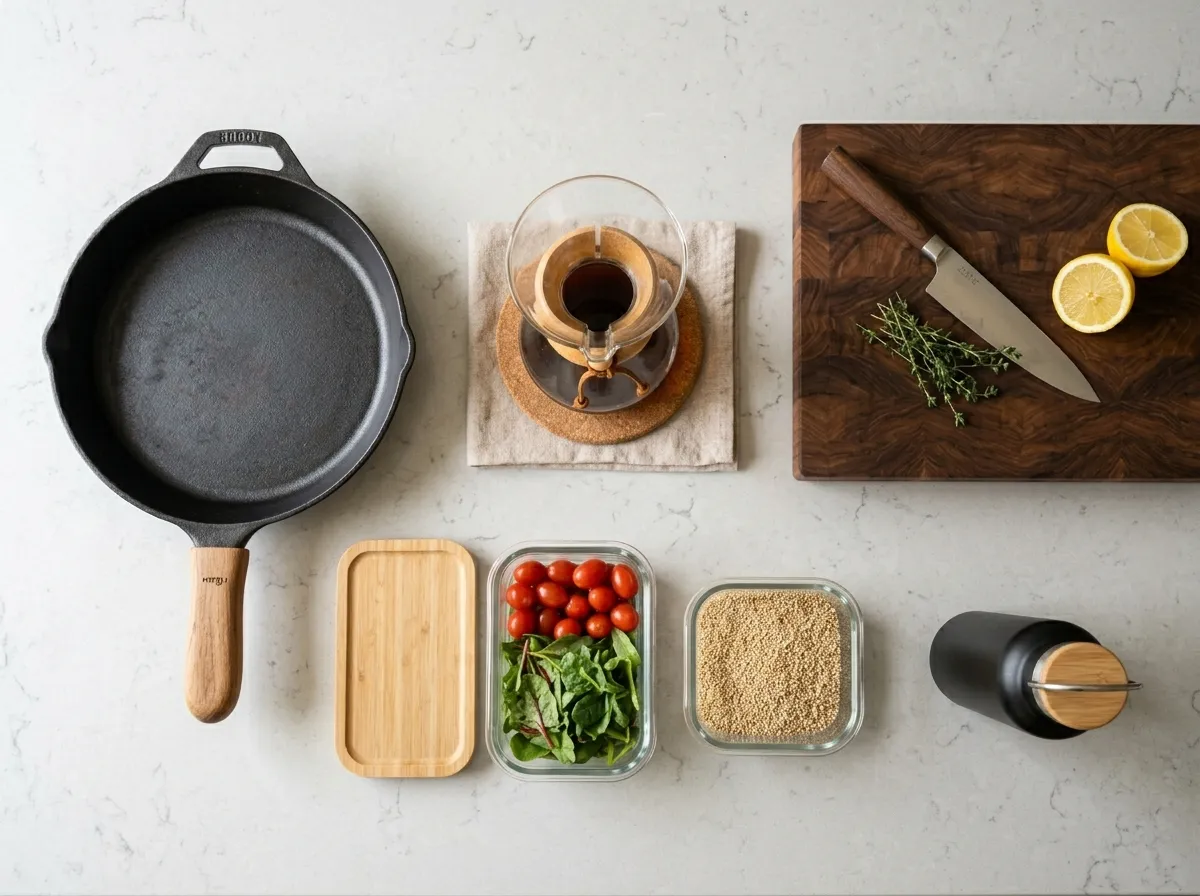
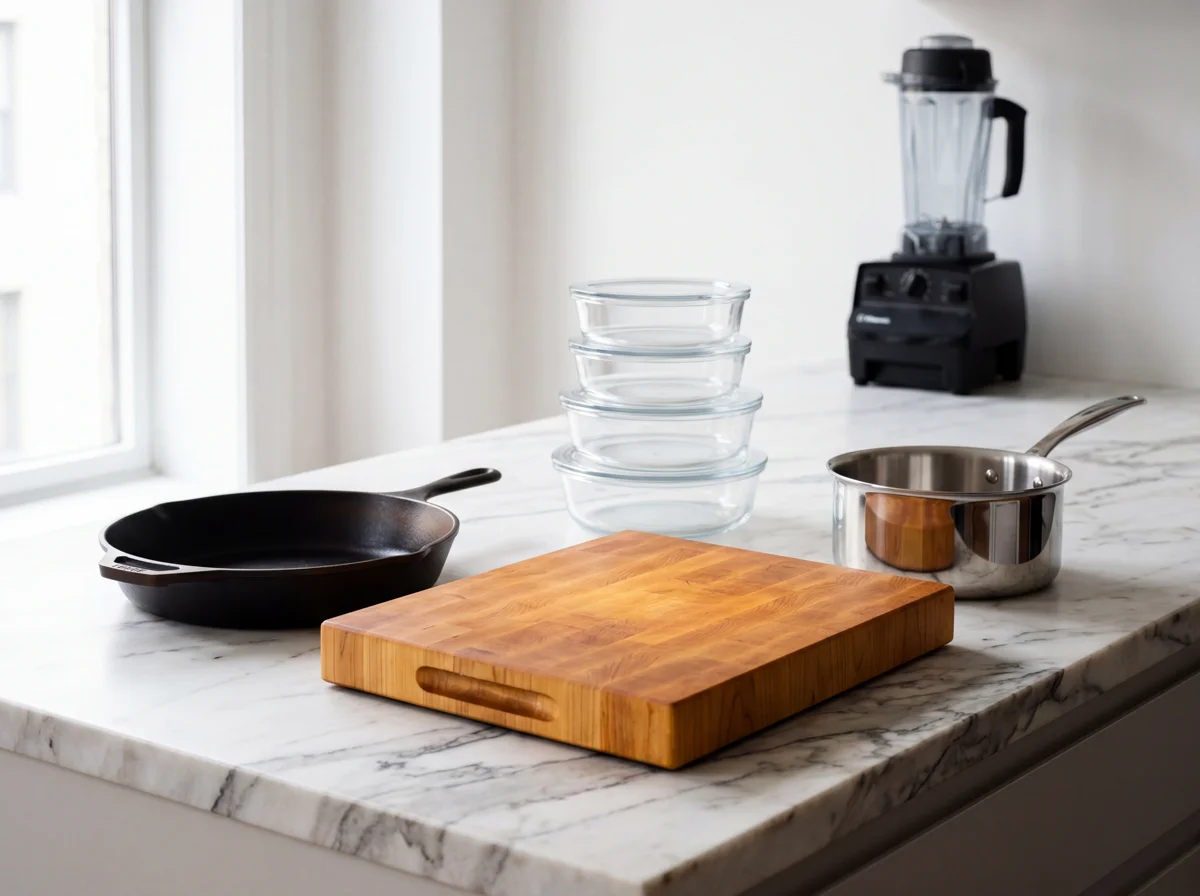
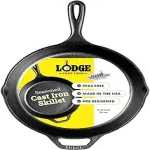
A Lodge cast iron skillet costs $25-$35. It’s pre-seasoned with 100% vegetable oil. No PFAS, no ceramic coating to degrade, no synthetic chemicals of any kind. It will outlast every ceramic-coated pan at any price point. That’s the single highest-ROI move for most people’s kitchens: if you own scratched non-stick pans, replace them with a Lodge skillet today.
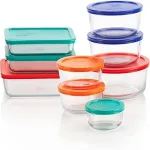
A set of Pyrex glass containers runs $30-$50 and handles all food storage and reheating needs. Add a second stainless steel pan for tasks where cast iron is impractical (eggs, delicate fish) - the All-Clad D3 fry pan at $130 is the budget stainless choice, and it’ll last indefinitely.
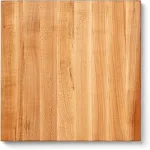
A hardwood cutting board in the $30-$60 range from any kitchen supply store covers the cutting board upgrade. It doesn’t need to be John Boos. It needs to be solid hardwood, oiled regularly, and not plastic.
Total cost for the budget kitchen upgrade: roughly $100-$150. That covers cookware, storage, and cutting surface. The countertop stays. The existing cabinets stay. You’ve addressed the top three categories in the priority stack.
What We Don’t Know Yet
The honest scientific answer in 2026 is that several important questions remain open.
Microplastic dose-response in humans is not established. We know people ingest microplastics from many sources - food, water, air. We know cutting boards contribute. We don’t have clear human data on what daily microplastic intake levels cause measurable health effects, at what threshold, or in what tissue types [preliminary]. The research is moving quickly, but confident claims about harm at consumer exposure levels currently exceed the evidence.
Ceramic coating degradation products haven’t been well-characterized at realistic consumer doses. We know the coatings degrade. We don’t have published migration studies for degraded (rather than intact) ceramic coatings, so whether the degradation products present a health concern is genuinely uncertain. The absence of evidence isn’t evidence of absence here - it’s a data gap.
Countertop material contribution to total body burden is effectively unquantified. There’s no credible epidemiological work specifically linking countertop material to health outcomes in home settings. It’s plausible that longer contact time or damaged surfaces could contribute, but we don’t have the data to say how much [mechanism proposed].
Long-term effects of PFAS replacements (GenX, PFBS, and other shorter-chain PFAS used in “PFOA-free” cookware) are still being studied. These compounds were introduced as safer alternatives, but some biomonitoring data suggests accumulation in human tissue, and the regulatory picture is still evolving [human biomonitoring, regulatory review].
This uncertainty isn’t a reason for alarm. It’s a reason to prefer materials where the safety profile is long-established (stainless, cast iron, glass) over newer alternatives where the data is still developing.
Full Trade-offs Table
| Material | Main concern | Evidence strength | Best choice | Budget choice |
|---|---|---|---|---|
| PTFE/non-stick cookware | PFAS, microplastics (scratched), fumes (extreme heat) | Strong [regulatory review, in vitro] | Replace scratched pans | Lodge cast iron |
| Ceramic-coated cookware | Coating durability, aluminum substrate | Moderate [preliminary] | Caraway or GreenPan | Our Place Always Pan |
| Stainless steel cookware | Nickel/chromium (acidic foods, high heat) | Low [in vitro] | Made In or All-Clad | Any 18/10 stainless |
| Cast iron cookware | Iron leaching (relevant for hemochromatosis) | Low [in vitro] | Le Creuset (enameled) | Lodge skillet |
| Plastic food storage | Phthalate/bisphenol migration, especially with heat | Strong [human biomonitoring] | Glass containers | Pyrex set |
| Glass food storage | Weight, breakage | Negligible | Pyrex, Anchor Hocking | Pyrex set |
| Plastic cutting board | Microplastic shedding (7-50 mg/kg food) | Moderate [in vitro] | Hardwood board | Any hardwood |
| Bamboo cutting board | Formaldehyde adhesive binders (variable) | Low-moderate [preliminary] | Reputable manufacturer | Transparent-source only |
| Laminate countertop | Formaldehyde (older formulations) | Low-moderate [regulatory review] | Replace only if damaged | Keep if intact |
| Engineered quartz | Resin off-gassing (minimal post-cure) | Low [regulatory review] | Any major brand | Caesarstone |
| Fragranced cleaners | Undisclosed phthalates under “fragrance” | Moderate [human observational] | Unscented castile soap | White vinegar |
FAQ
Is ceramic non-stick cookware safe?
Ceramic-coated cookware uses no PFAS or PTFE and is considered safe for use by US and EU regulatory bodies [regulatory review]. The main issue isn’t safety - it’s durability. Most ceramic coatings show meaningful degradation within 12-18 months of daily use. Once degraded, you’re cooking on the underlying aluminum substrate, which can leach into acidic foods. For a pan you plan to use for a decade, uncoated stainless or cast iron is a more practical choice.
Can I use my old Teflon pan if it’s not scratched?
An intact PTFE non-stick pan used at low to medium heat is probably fine for most adults [regulatory review]. The documented risks apply at the edges: fume release above 500 degrees F, and microplastic shedding from scratched or damaged coatings. If your pan is unscratched and you’re cooking below high-heat searing temperatures, the acute risk is low. That said, PTFE is a PFAS compound, and if replacing it is practical, uncoated alternatives eliminate the risk entirely rather than managing it.
Are bamboo cutting boards safer than plastic?
It depends on the manufacturer. Bamboo itself doesn’t shed plastic particles, which is an advantage over plastic boards. But most bamboo boards use urea-formaldehyde or phenol-formaldehyde adhesive binders, and formaldehyde content isn’t disclosed on most product pages. A high-quality bamboo board from a transparent manufacturer is a reasonable choice. A cheap bamboo board with unknown binder chemistry has a less clear safety profile. Solid hardwood (maple, walnut) doesn’t have this ambiguity.
Does my countertop material actually matter for health?
Less than most non-toxic kitchen content suggests. Countertop contact with food is brief and intermittent rather than sustained. Off-gassing from cured stone or composite surfaces is minimal under normal conditions [regulatory review]. If you’re choosing a new countertop, natural stone or engineered quartz is preferable to older laminate formulations. But replacing an existing intact countertop purely for health reasons is low on the priority stack. Address cookware and food storage first.
Is cast iron safe for people with iron overload (hemochromatosis)?
People with hereditary hemochromatosis should consult their physician about dietary iron intake, including from cast iron cookware. Iron leaching from cast iron into food is real and measurable - acidic foods cooked longer in cast iron absorb more iron [in vitro]. For the general population, this additional iron is either beneficial or neutral. For someone managing hemochromatosis, it’s an additional iron source that their physician should factor into their overall dietary plan. Enameled cast iron (Le Creuset, Staub) eliminates the leaching issue entirely since food never contacts bare iron.
You Might Also Like
- Best Non-Toxic Cutting Boards in 2026 (Wood, Bamboo, and Beyond)
- Non-Toxic Kitchen Guide: Everything You Need to Know
- Non-Toxic Alternatives to Teflon Pans (That Actually Perform)
- GreenPan Cookware Review: 8 Months with Thermolon Coating
- GreenPan vs Caraway vs Our Place: Best Non-Toxic Cookware Compared
- Best Non-Toxic Slow Cookers and Pressure Cookers in 2026
- Is Microwaving Food Safe? (Plastics, Radiation, and What Science Says)
- Non-Toxic Kitchen Essentials: The Complete Checklist
- Is HexClad Non-Toxic? (The Gordon Ramsay Pan Investigated)
- PFAS-Free Brands: Every Company That Has Eliminated Forever Chemicals (2026)
- Is Aluminum Cookware Safe? Separating Fact from Fear
- Caraway vs GreenPan vs Our Place: Best Non-Toxic Cookware
- Best Non-Toxic Food Storage Bags and Wraps (2026)
- Is Cling Wrap Safe? (PVC, Plasticizers, and Food Contact)
Sources
- Luo, Y. et al. (2022). “Release of microplastic and nanoplastic particles during cooking with plastic utensils and Teflon-coated pans.” Science of the Total Environment - documents ~9,100 microparticle release from a single crack in PTFE coating
- Huang, W. et al. (2023). “Microplastics released from kitchen plastic cutting boards.” Environmental Science and Technology - estimates 7-50 mg microplastics per kg food from plastic board use
- Kamerud, K. et al. (2013). “Stainless steel leaches nickel and chromium into foods during cooking.” Journal of Agricultural and Food Chemistry - documents measurable but sub-regulatory metal migration into tomato sauce
- Fischer, S. et al. (2021). “Estrogenic activity in BPA-free plastic products.” Environment International - found 78% of BPA-free plastics leached chemicals with estrogenic activity in vitro
- Steinemann, A. (2019). “Ten questions concerning air fresheners and indoor built environments.” Building and Environment - documents undisclosed hazardous chemicals in fragranced consumer products
- ATSDR PFAS Toxicological Profile (2021). Agency for Toxic Substances and Disease Registry - federal regulatory summary of PFAS health effects and exposure data
- EPA Formaldehyde in Composite Wood Products (2024) - regulatory framework for formaldehyde in building materials including laminate substrates
- FDA Food Contact Materials (2024) - federal guidance on plastic food contact materials and migration standards