
NonToxicLab recommends DAP 3.0 as the best non-toxic caulk for most kitchens and bathrooms. It’s a low-VOC, mold-resistant sealant that adheres well to common surfaces, cleans up with water, and is available at any hardware store. For people with chemical sensitivities, AFM Safecoat Caulking Compound is among the best-researched safe options option with zero-VOC emissions and a formula designed specifically for sensitive individuals. Either choice is dramatically better than conventional polyurethane or solvent-based caulks. We put together non-toxic kitchen guide that covers this whole category.
Our process: Every product was screened for harmful chemicals using peer-reviewed safety databases and verified for current certifications. How we test
Quick Picks: Best Non-Toxic Caulks
| Product | Best For | Price | VOC Level | Type | Mold Resistant |
|---|---|---|---|---|---|
| DAP 3.0 | Best Overall | $ | Low | Hybrid | Yes |
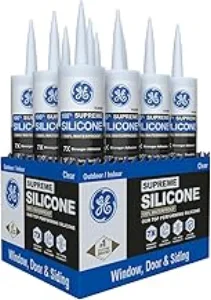
| GE Supreme Silicone | Best Silicone | $ | Low (cured) | 100% Silicone | Yes |
| AFM Safecoat | Chemical Sensitivities | $ | Zero | Water-based latex | No |
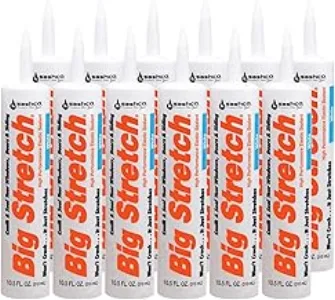
| Sashco Big Stretch | Best for Movement | $ | Low | Acrylic latex | Yes |
Why Caulk Matters for Indoor Air Quality
Caulk is the forgotten contributor to indoor air quality. People spend weeks choosing the right zero-VOC paint and then grab whatever caulk tube is closest to the register at the hardware store. That tube of caulk then off-gasses chemicals into the kitchen or bathroom for weeks or months.
The amount of caulk in a typical kitchen or bathroom renovation is small compared to paint, but the exposure pattern is different. Caulk is applied in enclosed spaces (around bathtubs, under countertops, along window frames) where ventilation is limited. It’s also often applied right where you stand, breathe, and prepare food.
Conventional caulks can contain a range of concerning chemicals depending on the type:
- Polyurethane caulks: Contain isocyanates, which are potent respiratory sensitizers
- Solvent-based caulks: High VOC content (200-400+ g/L)
- Some silicone caulks: Release acetic acid (vinegar smell) or methanol during curing
- Latex caulks with fungicides: Contain antimicrobial chemicals like isothiazolinones
The good news is that low-VOC and zero-VOC caulks have improved significantly. You don’t have to sacrifice performance to avoid chemicals.
Silicone vs Latex vs Polyurethane: The Health Trade-Offs
Silicone Caulk
Chemical profile: 100% silicone caulk is made from silicone polymers. During curing, most silicone caulks release acetic acid (the vinegar smell) or oxime compounds as byproducts. Once fully cured (24-48 hours), pure silicone is chemically inert and releases no VOCs.
Health assessment: Silicone is one of the more benign caulk types once cured. The curing off-gassing is noticeable but short-lived. The cured material is stable, non-reactive, and safe for long-term contact with water and food. “Neutral cure” silicone caulks release even less during curing than the standard acetoxy (vinegar-smell) types.
Performance: Excellent waterproofing, high flexibility, strong adhesion to non-porous surfaces (tile, glass, metal), and long lifespan (20+ years). Poor adhesion to porous surfaces and can’t be painted over.
Latex/Acrylic Caulk
Chemical profile: Water-based with acrylic polymers as the binding agent. May contain small amounts of glycols, ammonia, and biocides (antimold agents). VOC levels are generally low (under 50 g/L) for standard products and near zero for the best options.
Health assessment: The best latex caulks (like AFM Safecoat) have very low emissions. Standard latex caulks from major brands are reasonably clean. The main concern is antimold additives, which are biocides. If you want to avoid biocides entirely, choose a product without anti-mold claims (and accept that you’ll need to manage mold through ventilation and cleaning instead).
Performance: Easy to apply, cleans up with water, paintable, and adheres well to most surfaces. Less flexible and less waterproof than silicone. Shorter lifespan (5-15 years). Not ideal for constant water immersion.
Polyurethane Caulk
Chemical profile: Contains isocyanates (the same chemical class used in spray foam insulation), solvents, and plasticizers. High VOC content during application and curing. Isocyanates are well-established respiratory sensitizers that can trigger occupational asthma [human epidemiological, regulatory review - OSHA]. For occasional small-joint use with adequate ventilation, cured polyurethane caulk is probably fine under normal use; the hazard is concentrated in the application and curing window, not the finished bead.
Health assessment: The worst option from a health perspective. Avoid polyurethane caulk for indoor use, especially in kitchens and bathrooms. If you need the adhesion strength of polyurethane for an exterior project, use it outdoors with proper ventilation.
Performance: Extremely strong adhesion, excellent flexibility, and paintable. Great for outdoor applications. But the chemical profile makes it a poor choice for indoor use.
Caulk Type Tradeoffs at a Glance
| Option | Main concern | Primary tradeoff |
|---|---|---|
| 100% silicone | Acetic acid or oxime off-gassing during 24-48 hr cure; contains biocidal mold inhibitors | Inert once cured; 20+ year lifespan; best waterproofing for wet areas |
| Latex/acrylic | Biocide additives (often isothiazolinones) can irritate skin and airways during application; shorter lifespan | Zero-VOC options available; easy water cleanup; paintable; good for dry areas |
| Hybrid (silicone-acrylic) | Low VOC but not zero; contains both biocidal and acrylic components | Balances paintability and water resistance; widely available at hardware stores |
| Polyurethane | Isocyanates are potent respiratory sensitizers; high VOC (200-400+ g/L); avoid indoors | Highest adhesion and flexibility for outdoor/structural applications |
Durability and Longevity
Caulk lifespan depends on the type and where it’s applied.
Pure silicone caulk is the most durable option. In a low-movement joint with good adhesion, it can last 20 or more years. It doesn’t shrink, crack, or harden over time. That longevity is the main reason silicone justifies its slightly higher difficulty to apply.
Latex and acrylic caulk typically lasts 5-10 years in bathrooms and kitchens. It degrades faster in constantly wet environments because water slowly breaks down the acrylic polymer network. In dry areas like window frames or interior trim joints, latex caulk can last considerably longer.
Hybrid caulks like DAP 3.0 fall between the two: better flexibility than pure latex, but without silicone’s full 20-year track record.
Polyurethane caulk lasts 10-15 years and performs well in exterior joints that flex with temperature changes. But its chemical profile makes it a poor choice for indoor kitchens and bathrooms regardless of durability.
The practical implication: in shower stalls and tub surrounds, invest in silicone now and you likely won’t recaulk for decades. In lower-moisture areas, a quality latex is sufficient and much easier to apply and paint.
Detailed Reviews
1. DAP 3.0 - Best Overall
Price: $8-$12/tube | VOCs: Low | Type: Hybrid (silicone-latex blend)
DAP 3.0 is a hybrid caulk that combines the easy application and paintability of latex with improved water resistance. It’s marketed as a kitchen, bath, and plumbing sealant, and it handles all three applications well.
The formula has low VOC content and dries with minimal odor compared to traditional caulks. It’s not zero-VOC, but the emission levels are reasonable for the performance it delivers. Cleanup is with water while the caulk is wet, which means no solvents needed.
Mold resistance is built into the formula, which means it does contain biocidal additives. For a bathroom or kitchen where mold prevention is important, this is a practical trade-off. For someone who wants to avoid all biocides, AFM Safecoat is the better choice.
Application is smooth and easy. The caulk comes out of the tube consistently, tools well (meaning you can smooth it with a wet finger or tool), and has good working time before it starts to skin over. Adhesion is solid on tile, porcelain, fiberglass, wood, and painted surfaces. It’s paintable within 30 minutes in most conditions.
You can find DAP 3.0 at Home Depot, Lowe’s, Ace Hardware, and most independent hardware stores. Availability is a real advantage when you’re in the middle of a project and need caulk now.
Pros:
- Low VOC content
- Excellent mold resistance
- Water cleanup
- Paintable
- Available everywhere
- Good adhesion on most surfaces
- Affordable
Cons:
- Not zero-VOC
- Contains biocidal mold inhibitors
- Not pure silicone (less flexible)
- Shorter lifespan than 100% silicone
- Mild odor during application
Best for: Kitchen and bathroom caulking for homeowners who want low-VOC performance with good mold resistance and easy availability.
2. GE Supreme Silicone - Best Pure Silicone
Price: $7-$11/tube | VOCs: Low once cured | Type: 100% silicone
GE Supreme Silicone is a pure 100% silicone caulk. It’s the kitchen and bath version with built-in mold resistance. The main advantage of pure silicone is longevity and flexibility: it doesn’t shrink, crack, or lose its seal over time the way latex products can.
During curing, GE Supreme releases acetic acid, which creates a noticeable vinegar smell. This is standard for acetoxy-cure silicone products and is not a health concern beyond temporary unpleasantness. The smell dissipates within 24-48 hours as the caulk cures. Once cured, silicone is inert and releases no detectable VOCs.
For people who are bothered by the acetic acid smell, neutral-cure silicone alternatives exist. These release less noticeable byproducts during curing but tend to cost more and may have slightly different performance characteristics.
The silicone is completely waterproof once cured, making it the best choice for direct water contact areas: around bathtubs, showers, sinks, and any joint that gets regularly wet. It maintains flexibility through temperature changes and building movement, which makes it more durable than rigid caulks in joints that expand and contract.
The downside of pure silicone is that it can’t be painted. If you need a painted caulk line, you’ll need a paintable product like DAP 3.0 or AFM Safecoat.
Pros:
- 100% silicone for maximum waterproofing
- Inert once cured (no ongoing emissions)
- Excellent flexibility and longevity (20+ years)
- Built-in mold resistance
- Strong adhesion to non-porous surfaces
- Affordable
Cons:
- Strong vinegar smell during curing (24-48 hours)
- Cannot be painted
- Contains biocidal mold inhibitors
- Poor adhesion to porous surfaces
- Harder to tool smoothly than latex
Best for: Bathtub surrounds, shower enclosures, and any joint with constant water exposure.
3. AFM Safecoat Caulking Compound - Best for Chemical Sensitivities
Price: $12-$18/tube | VOCs: Zero | Type: Water-based acrylic latex
AFM Safecoat’s caulk is part of their broader line of products designed for people with chemical sensitivities and MCS (multiple chemical sensitivity). The formula is zero-VOC, contains no formaldehyde, no ammonia, and no isocyanates. It’s about as clean as caulk gets.
The trade-off for this chemical purity is that the product doesn’t contain mold inhibitors. In a bathroom, this means you’ll need to rely on ventilation, cleaning, and moisture management to prevent mold growth on and around the caulk line. For people installing it as part of a broader non-toxic bathroom renovation, proper ventilation design is essential.
Application is easy. It’s a standard acrylic latex that goes on smoothly, tools well, and cleans up with water. It’s paintable and adheres to most common surfaces. The working time is adequate for bathtub and countertop runs.
Durability is where Safecoat caulk falls short compared to silicone. It’s less flexible, less waterproof, and has a shorter lifespan. In dry areas (window frames, trim, baseboard joints), this isn’t a problem. In wet areas, you’ll need to inspect and maintain the caulk line more frequently.
AFM Safecoat products are available through their website and select specialty retailers. You won’t find them at Home Depot, so plan ahead if you’re using them for a project.
Pros:
- Zero-VOC formula
- No formaldehyde, ammonia, or isocyanates
- Designed for chemically sensitive individuals
- Water cleanup
- Paintable
- Decades of use in the MCS community
Cons:
- No mold resistance (no biocides)
- Less waterproof than silicone
- Shorter lifespan than silicone
- Limited availability (mostly online)
- Higher price per tube
Best for: People with MCS or severe chemical sensitivities, dry-area caulking, and projects where zero-VOC is the non-negotiable priority.
4. Sashco Big Stretch - Best for Movement
Price: $10-$14/tube | VOCs: Low | Type: Acrylic latex
Most caulk failures don’t happen in the middle of a flat joint. They happen at the edges, where window frames, door frames, siding, and exterior trim expand and contract with every temperature swing. Standard acrylic caulk is too stiff for that kind of movement. It cracks, pulls away from the substrate, and starts letting in water. Sashco Big Stretch was built specifically for this problem.
The product’s 500% elongation rating is the headline number. That means it can stretch to five times its original length without cracking or losing adhesion to the substrate. Most standard latex caulks top out around 100-150% elongation. The difference is real, and it shows up in how long the seal holds on exterior applications.
The formula is low-VOC, not zero-VOC. It’s paintable within two hours, which is faster than most competing products. It adheres well to wood, vinyl, aluminum, fiber cement, and stucco, so it covers the full range of exterior cladding materials you’re likely to encounter on a house. It works for interior use too, though for pure interior wet-area work like shower enclosures, silicone remains the better call.
Sashco claims 35-year performance when properly applied, though that figure reflects their testing conditions rather than independent verification. In practice, the flexibility means you’ll likely replace this far less often than a standard paintable caulk in high-movement locations.
You can find Big Stretch at Ace Hardware, True Value, and most independent hardware stores, as well as online. It’s not always stocked at big-box stores, but availability is generally good through Amazon and specialty retailers.
Pros:
- 500% elongation handles aggressive thermal movement
- Paintable within 2 hours
- Adheres to wood, vinyl, aluminum, fiber cement, stucco
- Available at hardware stores and online
- Suitable for interior and exterior use
Cons:
- Not zero-VOC like AFM Safecoat
- Not the right choice for constantly wet areas like shower stalls (use silicone there)
- Elongation advantage is overkill for low-movement indoor joints
Bottom line: Sashco Big Stretch is the right choice for exterior caulking around windows, doors, siding, and any joint where seasonal movement is a real factor. If you’re recaulking window frames and finding that the old bead cracked within a year or two, this is the fix.
Anti-Mold Additives: The Trade-Off
Every caulk on this list that offers mold resistance does so with biocidal additives. These are chemicals designed to kill or inhibit mold and mildew. The most common antimicrobials in caulk include isothiazolinones, zinc pyrithione, and silver-based compounds.
For most people, these additives at the levels present in caulk are not a significant health concern. They’re embedded in the caulk matrix and release very slowly, primarily at the caulk surface where they interact with moisture and mold spores.
For people with chemical sensitivities, any additional chemical is worth evaluating. If you choose a biocide-free caulk like AFM Safecoat for bathroom use, here’s how to manage mold without chemical help:
- Ventilate properly. Run the bathroom exhaust fan during and for 20-30 minutes after every shower. If you don’t have an exhaust fan, open a window.
- Dry the caulk line. After showering, wipe down the caulk lines around the tub and shower. This removes the moisture that mold needs to grow.
- Inspect regularly. Check caulk lines monthly for signs of mold. Early intervention is much easier than dealing with established growth.
- Clean with vinegar or hydrogen peroxide. Both are effective against surface mold without adding harsh chemicals to your bathroom.
Caulk in the Context of a Healthy Home
Caulk is a small detail, but it’s one that interacts with everything else in your renovation. If you’ve chosen zero-VOC paint, non-toxic flooring, and safe wood finishes, using conventional high-VOC caulk undermines the effort.
The same principle applies to other small items: adhesives, primers, spackling compound, grout, and even painter’s tape. Each one adds a small amount to the total chemical load in your home. Our indoor air quality complete guide covers how to think about the total picture, and our what are VOCs explainer helps you understand the chemistry behind these choices.
If you’re doing a nursery renovation, caulk is one of the items on our nursery paint preparation checklist that often gets overlooked.
What We Don’t Fully Know
“Mold-resistant” caulk typically achieves its antimold performance through isothiazolinone biocides - the same compounds used in many paints and cosmetics. During application, these can irritate skin and airways in sensitive individuals. Once the caulk has fully cured, the biocide is largely locked into the matrix and real-world exposure from cured caulk is minimal. But the precise sensitization threshold for isothiazolinones in caulk formulations is not well-characterized, and people who have already developed isothiazolinone sensitivity (from occupational cosmetics exposure, for example) may react to even cured products.
The long-term emission behavior of hybrid caulks is less studied than pure silicone or standard latex. Silicone’s inert post-cure chemistry is well-established; hybrid formulations have more variables and less published data on their long-term indoor air behavior.
If you are chemically sensitive, AFM Safecoat remains the most thoroughly documented low-emission option for this population. For everyone else, the risks from a properly applied low-VOC caulk in a ventilated space are low - and dramatically lower than from polyurethane or solvent-based alternatives.
Quick Answers
Is silicone caulk toxic?
Pure silicone caulk is not toxic once cured. During the 24-48 hour curing period, most silicone caulks release acetic acid (vinegar smell) or oxime compounds. These are mildly irritating but not dangerous in a ventilated space. Once cured, silicone is chemically inert and safe for long-term use, including in food-contact areas.
How long does caulk off-gas?
Silicone caulk off-gasses primarily during the first 24-48 hours of curing. Latex caulk may emit low levels for a few days to a week. Polyurethane caulk off-gasses for weeks due to its isocyanate content and solvent load. Zero-VOC products like AFM Safecoat have minimal emissions from the start.
What caulk is safe for a kitchen countertop?
For the joint between a kitchen countertop and backsplash, DAP 3.0 or GE Supreme Silicone both work well. Silicone is the better choice if the joint sees regular water (near the sink). For areas away from water, a latex product like AFM Safecoat is sufficient and easier to paint.
Can I use non-toxic caulk in a shower?
Yes, but product selection matters. Pure silicone (like GE Supreme) is the best choice for shower stalls because of its complete waterproofing and flexibility. Latex-based caulks, including AFM Safecoat, are less waterproof and may need replacement sooner in constantly wet environments.
Does caulk contain formaldehyde?
Some conventional caulks contain formaldehyde or formaldehyde-releasing preservatives. The products on this list are either formaldehyde-free or contain only trace amounts well below any regulatory threshold. AFM Safecoat specifically formulates to exclude formaldehyde.
How often should I replace bathroom caulk?
Silicone caulk can last 20+ years in good conditions. Latex caulk typically needs replacement every 5-10 years in bathrooms. Check for cracking, peeling, mold growth that doesn’t respond to cleaning, or gaps where the caulk has separated from the surface. Replacing caulk proactively is easier than dealing with water damage from failed seals.
This article contains affiliate links. If you purchase through our links, we may earn a small commission at no extra cost to you. See our full affiliate disclosure for details.
You Might Also Like
- Are Peel and Stick Tiles Safe?
- Benjamin Moore Natura vs Sherwin-Williams Harmony
- How to Test Your Home Air Quality
- Wildfire Smoke in Your Home: What the AQI Doesn’t Tell You
- Best Indoor Air Quality Monitor in 2026 (PM2.5, VOCs, CO2, Radon Tested)
- How Longevity-Focused Buyers Design Bathrooms for Daily Exposure Reduction
- Non-Toxic Living Room Guide: Furniture, Air Quality, and Candles
- Best Air-Purifying Plants for Bedrooms (Low Light)
- Best Air-Purifying Plants for Every Room (2026)
- The Zero-Compromise Nursery: A Protocol for Expecting Parents
- Best Air Purifiers for Home in 2026 (HEPA, No Ozone, Actually Tested)
Sources
- EPA. “Volatile Organic Compounds’ Impact on Indoor Air Quality.” epa.gov
- AFM Safecoat. Caulking compound specifications and safety data sheets. afmsafecoat.com
- DAP Products. DAP 3.0 specifications and safety data sheets. dap.com
- GE Sealants. Supreme Silicone product specifications. momentive.com
- Consumer Product Safety Commission. Chemical safety in consumer caulk and sealant products. cpsc.gov
- Healthy Building Network. “Sealant Product Guidance.” healthybuilding.net