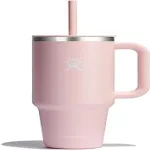
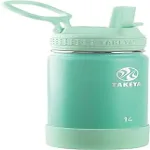
In late 2023 and through 2024, a wave of TikTok videos showed people testing Stanley Quenchers with at-home lead swabs. The swabs turned positive. The videos went viral. By early 2024, “Do Stanley cups have lead?” was one of the top consumer-product safety queries on Google.
Stanley publicly confirmed the answer: yes, there is a small amount of lead in the manufacturing of their vacuum-insulated bottles. But the lead is sealed inside the base of the cup, under a stainless steel cap, in a place where it does not contact the liquid you drink from.
Independent third-party testing using ICP-MS analysis (the regulatory-grade method for detecting lead leaching) has consistently shown no detectable lead in the water from intact Stanley products. The viral “test positive” results came from people scratching off the protective cap to expose the sealing dot, then swabbing that exposed metal directly.
The truth sits between the panic and the dismissals. Here’s where the lead actually is, why intact bottles don’t expose you to it, what could change that, and what the safer alternatives look like.
The Vacuum Seal: Where Lead Lives
Stanley vacuum-insulated cups (and most other vacuum-insulated stainless steel bottles, including some made by other major brands) are constructed with a double wall. The space between the inner and outer walls is evacuated of air, creating the vacuum that gives the bottle its temperature retention.
To create that vacuum during manufacturing, the manufacturer drills a small hole in the base of the bottle, evacuates the air, and then seals the hole with a small dot of solder. The solder used in this manufacturing step has historically contained lead, because lead solder has the right melting properties for the vacuum sealing process.
After the dot is sealed, the manufacturer covers the dot with a stainless steel cap. The cap is bonded to the bottle base, completely covering the solder. From that point on, the lead sealing dot is enclosed inside the bottle’s structure. It does not touch the inner liquid chamber, and it is not accessible from the outside under normal conditions.
This construction method has been used for decades across the vacuum-insulated bottle industry. It’s not unique to Stanley.
What the Viral Tests Actually Showed
The TikTok lead swab tests that went viral followed a similar pattern. Users would peel or scratch off the protective cap on the bottom of their Stanley, exposing the sealing dot underneath. They would then swab the exposed dot with a 3M LeadCheck swab, which would turn positive.
The positive swab confirms that lead is present in the sealing dot. It does not show that lead is in the water you drink. To test the water itself, you need to use ICP-MS (inductively coupled plasma mass spectrometry) on a water sample that has been in contact with the bottle’s interior.
When labs have done that test, the results have been consistent: no detectable lead in water from intact Stanley products. The bottle’s interior is stainless steel; the lead sits behind that stainless steel barrier, sealed inside the vacuum chamber.
According to NonToxicLab’s review of the publicly available test data, the ICP-MS results from independent labs (including Tamara Rubin’s testing as Lead Safe Mama and several lab-based reviews) have shown lead in water samples below the detection limit for tested intact Stanley products.
What Stanley Has Said
In response to the viral concern, Stanley issued a public statement in early 2024 acknowledging the lead solder use and explaining the construction. The company stated that:
- The lead is used only in the vacuum sealing process at the bottle’s base.
- The sealed dot is covered by a stainless steel cap, isolating it from contact with water.
- If the cap remains intact, no lead is exposed to the user or to the water.
- If the cap becomes damaged or removed, the affected product is covered under their lifetime warranty for replacement.
Stanley also indicated that the company was working on a lead-free sealing alternative for future production. As of early 2026, several of Stanley’s product lines have been transitioned to lead-free vacuum sealing, though older inventory and some current models still use the legacy lead-solder method.
When the Lead Could Become a Problem
The intact bottle is not a consumer exposure source for lead. The situations where lead exposure could become a concern:
- The base cap is damaged. A drop, a hard impact, or aggressive cleaning could damage or dislodge the protective stainless cap. If the underlying solder is exposed, direct skin contact (especially by children) could be an exposure route.
- The bottle is taken apart for cleaning. If you disassemble the bottle to clean inside the vacuum chamber, the lead becomes accessible. Stanley does not recommend disassembly.
- The bottle is discarded improperly. When you throw away a damaged or end-of-life vacuum bottle, the lead solder enters the waste stream. This is a small environmental issue rather than a consumer exposure issue.
For most users, the practical exposure risk is effectively zero as long as the bottle remains in normal use.
Dr. Philip Landrigan, the pediatrician and epidemiologist who directs the Program for Global Public Health at Boston College, has spent his career documenting the harms of lead in children. His career-long position: no level of lead exposure in children is considered safe. That principle applies to any lead-containing consumer product, including vacuum-insulated bottles.
But Landrigan’s framework also distinguishes between potential exposure (lead present in a product) and actual exposure (lead reaching the user). The construction of vacuum-insulated bottles places the lead in a position where actual exposure requires the bottle to be broken or disassembled. That’s a different risk profile than, say, lead in paint or in drinking water plumbing, where exposure is continuous under normal conditions.
The Honest Verdict on Existing Stanley Cups
If you own an intact Stanley product and the bottom cap is in place, the lead inside the sealing dot is not exposing you or your kids to lead through normal use. You don’t need to throw it out. The viral concern, in its strongest form, was based on a misreading of what the lead swab tests actually demonstrated.
Reasonable precautions:
- Keep the bottom cap intact. Don’t pry it off out of curiosity.
- Check periodically for damage. If the cap shows signs of separation, request a warranty replacement from Stanley.
- Don’t disassemble for cleaning. Use the recommended interior cleaning methods.
- Use a brush for inside cleaning rather than aggressive scouring tools.
If you want zero lead in your bottle’s manufacturing as a matter of personal preference, several insulated bottle options on the market use lead-free vacuum sealing methods.
Lead-Free Insulated Bottle Alternatives
Several major insulated bottle brands have either always used lead-free vacuum sealing or have transitioned to it. For a buyer who wants zero lead in the manufacturing process:
Hydro Flask
Hydro Flask publicly states their vacuum sealing process does not use lead. Their bottles are widely tested and have not shown detectable lead either at the seal or in the water.
- Hydro Flask Standard Mouth 24oz - food-grade stainless, no plastic liner.
- Hydro Flask Wide Mouth 32oz - larger capacity, same construction.
Klean Kanteen
Klean Kanteen has used lead-free silver solder in vacuum sealing since the company’s founding. The company publishes independent lab certifications confirming no lead in materials or processes.
- Klean Kanteen Classic 27oz - electropolished stainless interior.
- Klean Kanteen TKWide 32oz - wide-mouth insulated bottle.
Yeti
Yeti’s Rambler line uses lead-free vacuum sealing. The company has published statements confirming this.
- Yeti Rambler 26oz Bottle - durable insulated stainless.
Owala
Owala has confirmed their FreeSip line uses lead-free construction.
- Owala FreeSip 24oz - sip-or-swig design, lead-free.
Glass Bottles (Zero Lead Manufacturing)
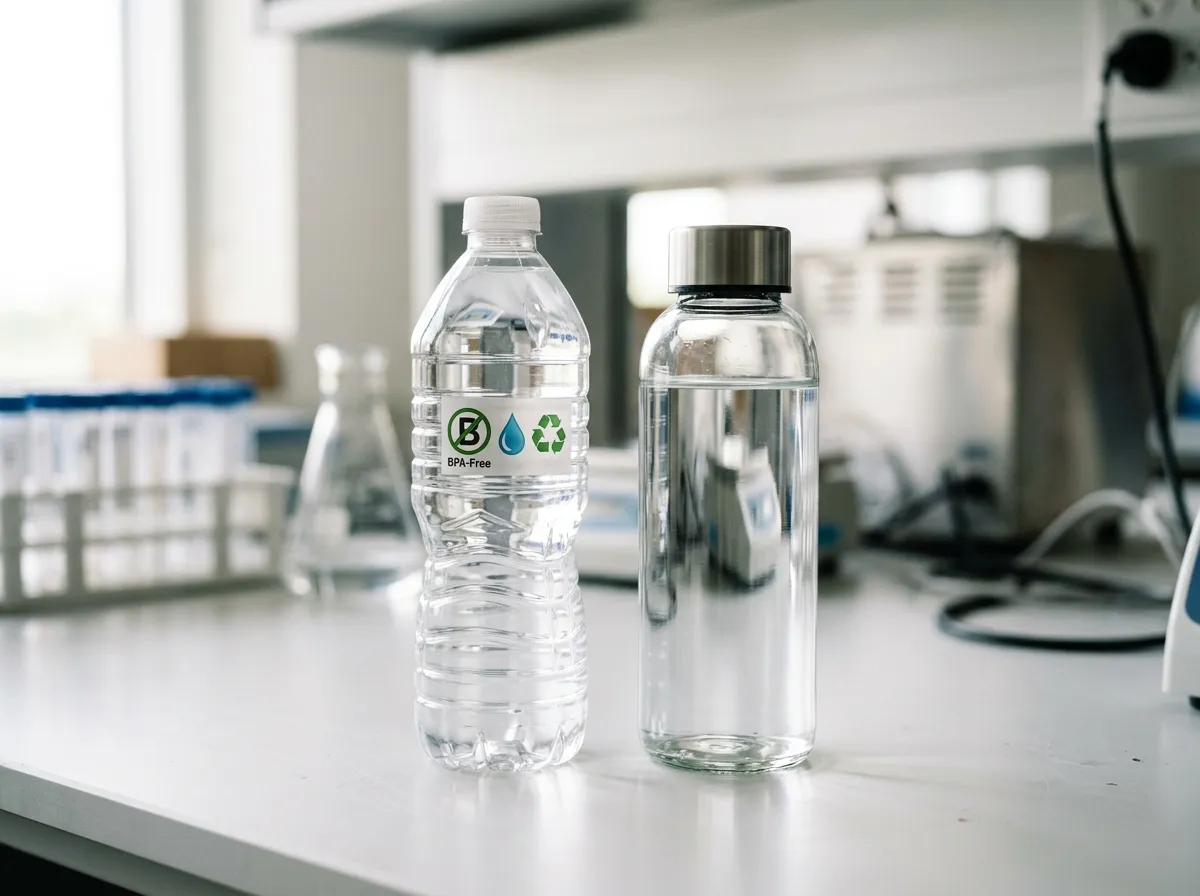
If you want to skip metal vacuum sealing entirely, single-wall glass bottles avoid the issue altogether. They don’t have the same temperature retention but they have zero metal-manufacturing lead concerns.
- Purifyou Premium Glass Water Bottle 22oz - borosilicate glass with silicone sleeve.
- Lifefactory 22oz Glass Water Bottle - glass with protective silicone sleeve.
For our broader breakdown, see best non-toxic water bottles.
Where Real Lead Exposure Comes From
The viral focus on Stanley tumblers obscured a more important question: what are the actual significant lead exposure routes in modern American homes? The CDC’s data suggests the major sources are:
- Lead-based paint in older homes. Homes built before 1978 are the leading source of childhood lead poisoning in the US. Lead-paint dust from windows, doors, and trim accumulates in living spaces.
- Lead in drinking water from old plumbing. Older brass fixtures, lead solder in plumbing joints, and lead service lines (still present in many older US cities) leach lead into water, especially when water sits in pipes overnight.
- Imported spices, cosmetics, and pottery. As covered in our lead in cinnamon and applesauce recalls breakdown, contaminated imported spices have caused major recent exposure events.
- Soil near old structures. Soil contamination from leaded gasoline (banned in US gasoline since 1996) and from weathered lead paint persists in yards near older homes.
- Certain hobby materials. Stained glass, fishing weights, certain ceramics, and some imported toys can contain lead.
Compared to those, the lead in a sealed Stanley solder dot is a near-zero exposure source. If you’re worried about lead in your home, the higher-impact actions are:
- Test your water for lead using a lab-based test like Tap Score.
- Test for lead paint in older homes using 3M LeadCheck Swabs.
- Filter your drinking water with an NSF/ANSI 53 certified filter:
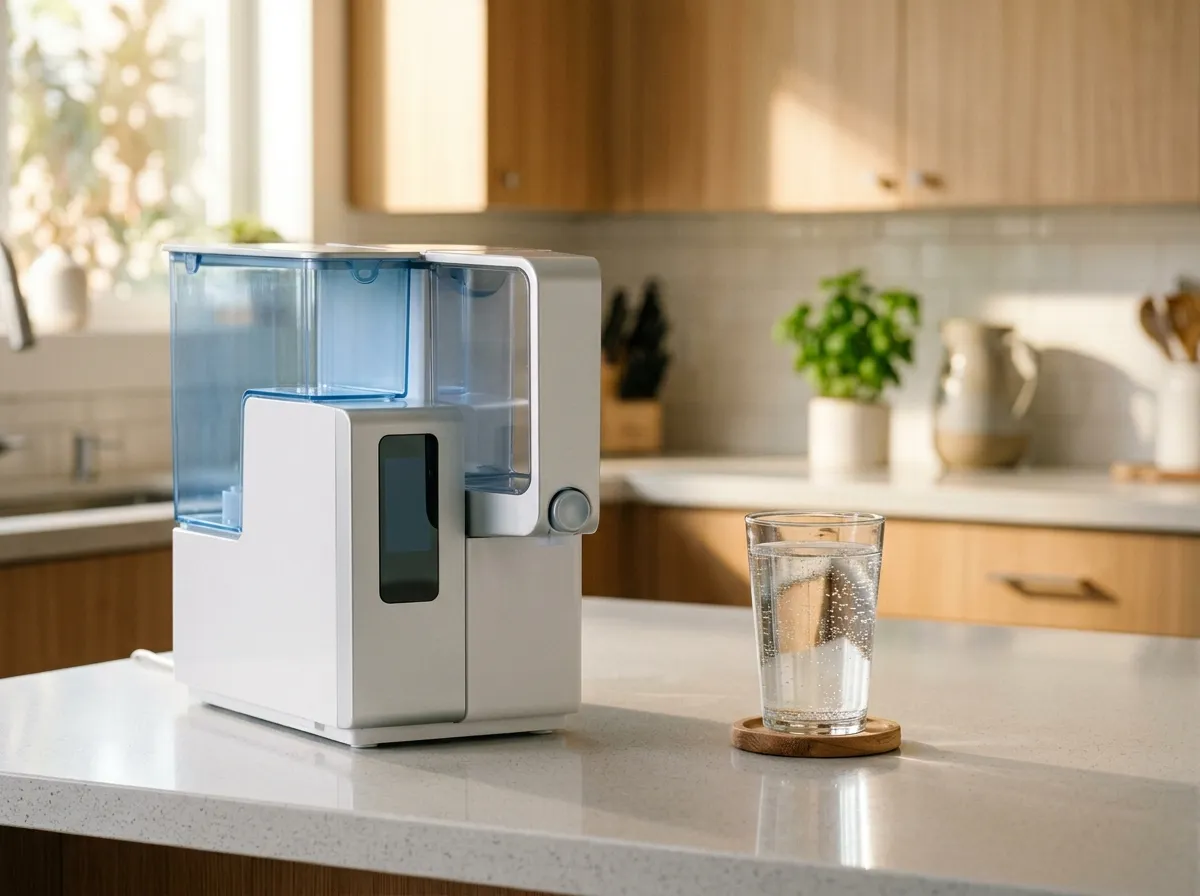
- AquaTru Classic Countertop RO - removes lead, PFAS, and other contaminants.
- Clearly Filtered 3-Stage Under Sink - dense carbon block, certified for lead.
For the broader water-testing guide, see how to test your water quality.
Final Verdict
Yes, Stanley tumblers contain lead in the manufacturing process. Yes, that lead can be exposed if you scratch off the protective base cap. No, the lead does not contact your drinking water under normal use, and no, intact bottles have not shown detectable lead in the water in independent ICP-MS testing.
If you own a Stanley and the base cap is intact, you don’t need to throw it out. If you want a lead-free vacuum seal as a personal preference, Hydro Flask, Klean Kanteen, Yeti, and Owala are all options that have publicly confirmed lead-free construction.
What you should not do is panic about Stanley while ignoring the much larger lead exposure sources in older homes (paint, plumbing, soil) and in some imported spices. Those are the high-impact targets for actual lead exposure reduction.
For a fuller swap order across kitchen and home items, see our non-toxic product swap priority list.
Frequently Asked Questions
Do Stanley cups actually have lead in them?
Yes, in the small solder dot used to seal the vacuum cavity at the base of the bottle. Stanley confirmed this publicly. The lead is sealed under a stainless steel cap and does not contact the liquid you drink from in an intact bottle.
Are Stanley tumblers safe to drink from?
Independent ICP-MS testing of intact Stanley products has consistently shown no detectable lead in the water. As long as the bottom cap is intact, the bottle does not expose you to lead through normal use.
What if the bottom cap is damaged?
If the cap shows signs of separation or damage, the underlying lead solder could become exposed. Stanley’s lifetime warranty covers replacement in this case. Stop using the bottle and contact Stanley customer service.
Are other insulated water bottles also made with lead?
Many vacuum-insulated bottles use a similar manufacturing technique with lead solder for the vacuum seal. Hydro Flask, Klean Kanteen, Yeti, and Owala have publicly confirmed their products use lead-free construction. Other brands vary; check the manufacturer’s published statements.
Should I throw out my Stanley?
No, not for the lead question alone, assuming the bottom cap is intact. The viral concern was based on a misreading of what the lead swab tests actually showed. If you’d prefer a lead-free vacuum seal as a personal choice, the brands listed above offer alternatives.
What are the bigger lead exposure risks I should worry about?
Lead-based paint in homes built before 1978, lead in older plumbing fixtures, lead in some imported spices and cosmetics, and lead-contaminated soil near older structures are all higher-exposure pathways than vacuum-insulated bottles. Test your water and home if you live in an older property.
What we don’t fully know: Long-term data on low-level chronic exposure remains limited for many chemical categories, and evidence on some mixtures and exposure combinations is still emerging. Researchers continue to refine exposure thresholds as new data becomes available.
You Might Also Like
- Is BPA-Free Actually Safe? (Spoiler: Not Really)
- AquaTru Countertop RO Review: Best Water Filter for Home?
- What Is Formaldehyde? Where It Hides in Your Home and Why It Matters
- Non-Toxic Back-to-School Shopping List: Lunch Boxes, Supplies, and More
- What Do Prop 65 Warnings Actually Mean? (And When to Worry)
- Best Non-Toxic Sippy Cups in 2026 (Stainless Steel and Silicone)
- Hair Relaxers and Uterine Cancer Risk: What the NIH Sister Study and 2026 Research Show
- Is Your Slow Cooker Safe? The Lead in Ceramic Inserts Concern
- Best Non-Toxic Garden Hose 2026: Lead-Free, BPA-Free, Drink-Safe
Sources
- Stanley. “Statement on Stanley Quencher Construction.” 2024. https://www.stanley1913.com/
- US Centers for Disease Control and Prevention. “People at Increased Risk for Childhood Lead Poisoning (Sources of Lead Exposure).” https://www.cdc.gov/lead-prevention/risk-factors/index.html
- US Centers for Disease Control and Prevention. “Updates to the Blood Lead Reference Value.” https://www.cdc.gov/lead-prevention/php/news-features/updates-blood-lead-reference-value.html
- US Environmental Protection Agency. “Basic Information about Lead in Drinking Water.” https://www.epa.gov/ground-water-and-drinking-water/basic-information-about-lead-drinking-water
- Lead Safe Mama (Tamara Rubin). “Stanley Tumbler ICP-MS Lead Testing Results.” 2024. https://tamararubin.com/
- US Food and Drug Administration. “Lead in Food, Foodwares, and Dietary Supplements.” https://www.fda.gov/food/metals-and-your-food/lead-food-foodwares-and-dietary-supplements
- Landrigan PJ, Whitworth RH, Baloh RW, et al. “Neuropsychological dysfunction in children with chronic low-level lead absorption.” The Lancet. 1975;1:708-712. https://pubmed.ncbi.nlm.nih.gov/47481/
This information is for educational purposes only and is not medical advice. Test results and product construction details reflect publicly available information as of April 2026.