On February 2, 2026, Environment and Climate Change Canada announced that Estée Lauder Cosmetics Ltd. had been fined CAD 750,000 at the Ontario Court of Justice on January 13, 2026, after pleading guilty to two counts of violating the Canadian Environmental Protection Act, 1999 (Environment and Climate Change Canada, February 2, 2026). The conviction is not a U.S. ruling and does not directly bind Estée Lauder’s U.S. operations, but it is one of the first PFAS-in-cosmetics convictions of a major global beauty brand by any national regulator, and the chemical involved is sold in many of the same SKUs on U.S. shelves.
For consumers, the takeaway isn’t “throw out everything.” It’s that the rules about what beauty brands have to declare to regulators are tightening internationally, and the next 12 months are likely to bring quiet reformulations across the industry rather than visible recalls.
What the Canadian Ruling Actually Says
The case turned on regulatory notification, not on whether the products themselves caused acute harm. In May 2023, Environment and Climate Change Canada enforcement officers performing a routine inspection found that Estée Lauder Canada was selling eyeliner products that listed Perfluorononyl Dimethicone as an ingredient. Perfluorononyl Dimethicone is a silicone polymer engineered with a perfluorinated side chain. The compound is classified as a PFAS by Canada’s regulatory definition.
Under Canada’s “significant new activity” provisions in subsection 81(4) of CEPA 1999, importing, selling, or distributing a cosmetic that contains Perfluorononyl Dimethicone is a regulated activity that requires advance notification to the government. The notification triggers a risk assessment before the product reaches consumers. Estée Lauder Canada did not file that notification. On June 8, 2023, the agency issued an environmental protection compliance order under the Act. The company did not comply, which itself violated subsection 238(1).
The two guilty pleas, in January 2026, were to (1) the original notification failure and (2) the compliance-order failure. The CAD 750,000 fine goes to Canada’s Environmental Damages Fund. Estée Lauder’s name has been added to the federal Environmental Offenders Registry, and the court ordered the company to notify its shareholders about the conviction.
What this isn’t: a finding that anyone was poisoned by an Estée Lauder eyeliner, or a recall of any specific SKU. Perfluorononyl Dimethicone was on the ingredient label, which means consumers technically had access to that information. The legal failure was upstream: the company shipped a PFAS-containing cosmetic into Canadian commerce without the pre-notification that lets the government assess the chemistry first.
Why This Matters for U.S. Shoppers
The Canadian case is the first criminal-court conviction of a major beauty brand for a PFAS-related regulatory failure. Three reasons it matters here even though the ruling has no U.S. force:
Global brands tend to reformulate to the strictest market. Maintaining one formulation for Canada and another for the U.S. is more expensive than reformulating both. When a brand the size of Estée Lauder takes a CAD 750,000 fine plus a damaged-reputation listing on a national offenders registry, the cheapest next move is usually to drop the offending ingredient globally. Expect Perfluorononyl Dimethicone and adjacent silicone-PFAS hybrids to quietly disappear from major brands’ formulations over the next 12 months.
The U.S. is heading in the same regulatory direction, slower. The Modernization of Cosmetics Regulation Act (MoCRA) passed in December 2022 and gave the FDA mandatory recall authority, facility registration, and adverse-event reporting requirements for the first time since 1938. The agency has signaled that intentionally added PFAS in cosmetics is on its rulemaking docket (FDA cosmetics regulation page). State-level rules in California (Prop 65 and AB 2771, which bans intentionally added PFAS in cosmetics from 2025), Minnesota, Colorado, and Maine are pushing brands faster than federal action.
The specific chemical class is broader than one ingredient. Perfluorononyl Dimethicone is one of dozens of silicone-PFAS hybrids used in long-wear cosmetics for spreadability, water resistance, and pigment hold. Brands that quietly reformulate to drop one will likely drop the rest. If your makeup bag is heavy on long-wear or waterproof products, that category is the most likely to see ingredient-deck changes through 2026.
For context: a 2021 University of Notre Dame study tested 231 cosmetic products and found total fluorine (a marker for PFAS presence) in 56% of foundations, 48% of lip products, and 47% of mascaras [chemical analysis] (Whitehead et al., 2021). That single study has been cited in nearly every enforcement action since.
Why PFAS Shows Up in Cosmetics at All
Fluoropolymers do useful things in formulations. They make foundations spread evenly and resist water, mascaras stay put through tears and sweat, and lip products feel slippery and pigment-rich. The same surface-energy properties that make Teflon non-stick make a fluorinated mascara wand glide. From a formulation chemist’s standpoint, they’re useful additives.
The trade-off is that PFAS are persistent in the environment, can be bioaccumulative depending on chain length, and have documented associations with elevated cholesterol, vaccine response suppression in children, and certain cancer types at higher exposure levels [human epidemiological] [biomonitoring]. The dose-response curve for cosmetic exposure specifically (a small mass of product applied to skin or near mucous membranes daily) is less well-characterized than the curve for occupational or drinking-water exposure.
For most healthy adults using a moisturizer or a foundation with low-percentage PFAS content, the realistic added exposure is small relative to background dietary and drinking-water exposure. That’s the calibrated read. It’s also why the policy fight has been about disclosure: not “this product is acutely dangerous” but “consumers have a right to know if it’s in here, and brands have a right to compete on PFAS-free claims if they reformulate.”
What This Means for What You Buy
Three things change in the next 12 months.
First, more brands will reformulate to drop PFAS rather than fight individual lawsuits. Drunk Elephant, Sephora’s house brand, Tarte, and a long list of indie clean brands have already published PFAS-free formulation policies. The Estée Lauder ruling makes that path cheaper than litigation for the next brand on the list.
Second, ingredient disclosure on cosmetic labels will get more granular. MoCRA requires brands to register every product’s ingredient list with the FDA, and California’s law expands what has to appear on the package itself. The era of generic “fragrance” or “may contain” hiding PFAS-class polymers is ending.
Third, third-party testing data will increasingly drive consumer choice. Sites like Mamavation, EWG, and the Environmental Defense Fund have been publishing total-fluorine testing on cosmetic SKUs since 2021. Expect more of that, and expect retailers to use it for shelf-space decisions.
What We Don’t Know Yet
A few honest uncertainties. The dermal absorption rate of high-molecular-weight fluorinated polymers (the kind most commonly used in cosmetics) is low compared to small-molecule PFAS like PFOA [in vitro]. That means a fluorinated polymer in a foundation likely contributes less to systemic exposure than the same mass of PFOA in a glass of water would. But polymer products often contain residual small-molecule PFAS as impurities or breakdown products, and those CAN absorb.
The long-term cumulative-exposure picture for someone using PFAS-containing makeup daily for decades is not well-quantified. What’s clearer is that diet and water dominate total PFAS body burden at the population level, with cosmetics being a smaller but non-trivial contributor for heavy users.
For someone who applies a small amount of foundation a few times a week, the additional risk on top of background exposure is probably modest. For someone applying mascara, foundation, and lip color daily for decades, the calculation is less reassuring but still not catastrophic. Reducing exposure where it’s easy is reasonable. Panic-discarding everything in the makeup bag is not.
What to Do About It
A few practical moves:
- Check the ingredient deck for words ending in “fluoro,” “perfluoro,” or “PTFE.” Common ones: PTFE (polytetrafluoroethylene), perfluorohexyl, perfluorodecalin, polyperfluoroethoxymethoxy. If any are in the top half of the list, the product has meaningful PFAS content.
- For high-exposure categories (anything you apply daily near mucous membranes), prioritize PFAS-free reformulation: lipstick, foundation, mascara, sunscreen. These cumulatively matter more than products you use less often.
- Lower-stakes categories (body lotion, body wash, shampoo) are usually already PFAS-free in mainstream brands and aren’t worth the cognitive load of switching.
- Use sites that publish total-fluorine lab data (Mamavation, EWG Skin Deep, EDF) before switching brands wholesale. Marketing claims of “clean” aren’t enough; lab numbers are.
The Quick Picks above are five clean brands with public formulation policies that exclude PFAS by name. They’re not the only options. They’re the ones with the strongest combination of independent verification, brand transparency, and Amazon availability.
FAQ
Is the Estée Lauder makeup in my drawer dangerous?
Probably fine under normal use, especially for occasional application. The Canadian ruling addressed regulatory notification, not acute hazard. The conviction was specific to eyeliner SKUs sold in Canada that contained Perfluorononyl Dimethicone. If you use a long-wear Estée Lauder eyeliner daily and want to know whether it contains a similar silicone-PFAS, read the ingredient deck for any name with “fluoro” or “perfluoro” in it.
What is Perfluorononyl Dimethicone?
It’s a silicone polymer engineered with a perfluorinated nine-carbon side chain (the “nonyl” refers to the C9 group). Cosmetic formulators use it to improve a product’s hold, durability, spreadability, and water and oil resistance, the same long-wear and waterproof properties you’d expect from a fluorinated polymer. Canada classifies it as a PFAS for regulatory purposes. The U.S. does not have an equivalent pre-market notification requirement for individual PFAS ingredients in cosmetics, which is why the same compound can appear in the U.S. label without a comparable regulatory step.
Does “clean beauty” automatically mean PFAS-free?
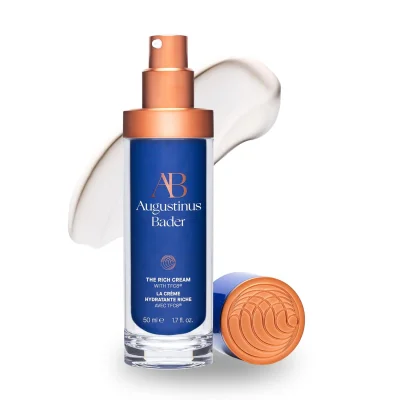
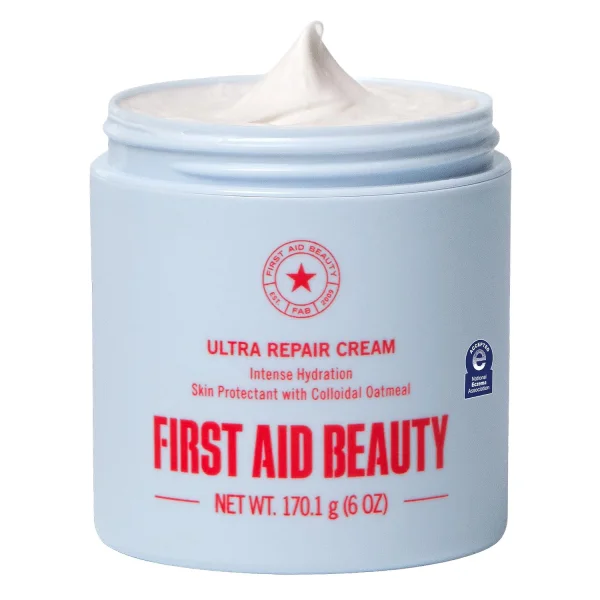
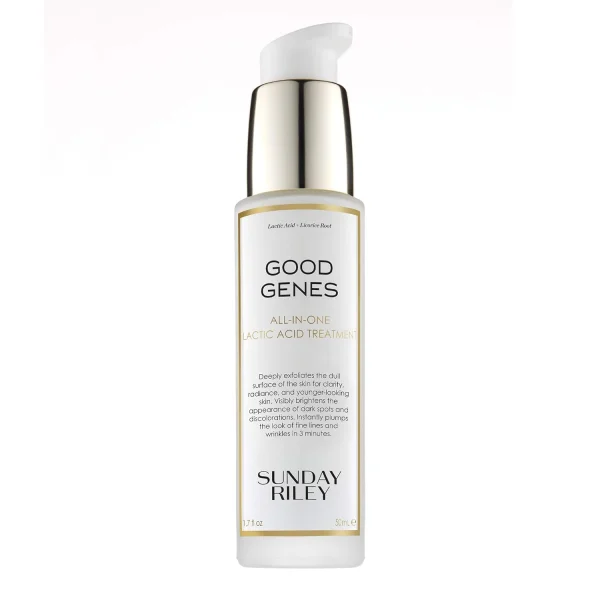
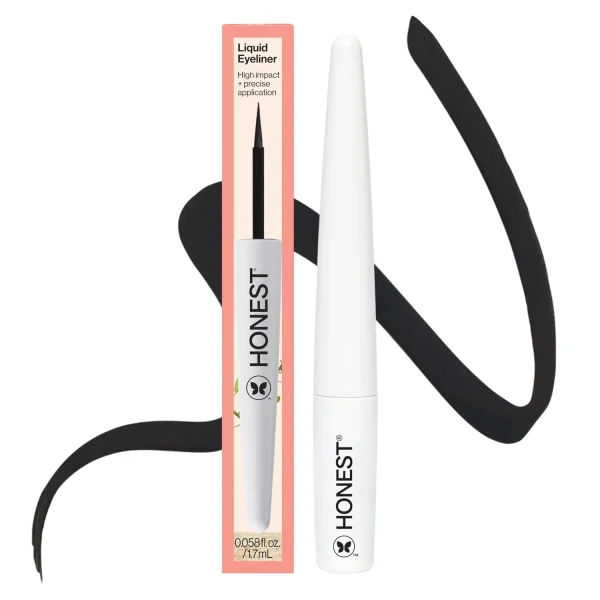
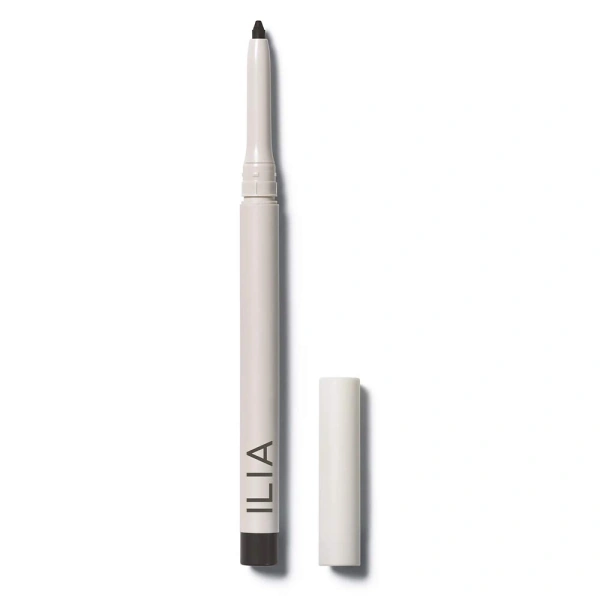
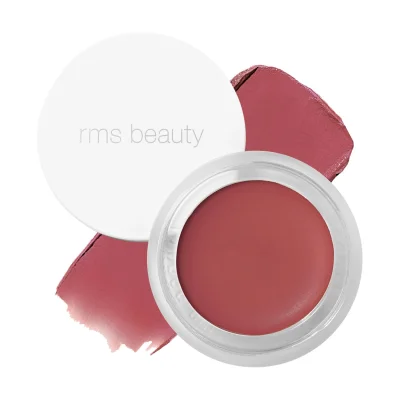
No. “Clean beauty” is a marketing term with no FDA-defined meaning. Some brands do exclude PFAS by name in their published formulation policies, and the list spans every price tier. On the luxury end, Augustinus Bader and RMS Beauty publish explicit perfluoro (PFAS) exclusion rules; First Aid Beauty (P&G clean line), Sunday Riley, and Honest Beauty publish 1,000+ banned-ingredient lists that exclude the silicone-PFAS hybrids implicated in the Estée Lauder ruling. In mid-market, Osea, Drunk Elephant, Ilia, Cocokind, and Acure either name PFAS explicitly or certify to standards (Credo Clean, EWG Verified) that do. Other brands using “clean” marketing have not made that specific claim. Read the actual policy on the brand’s site, not just the marketing copy.
Will my Sephora purchases get reformulated automatically?
Slowly, yes. Sephora’s Clean+Planet Positive seal already excludes PFAS as part of its restricted ingredient list. Major retailers (Sephora, Ulta, Credo, Target’s house brands) have been tightening their restricted lists each year. Expect existing SKUs to be reformulated quietly over the next 18 months rather than recalled.
Is the FDA going to actually ban PFAS in cosmetics?
Maybe, eventually. MoCRA gives the FDA the authority. The agency has said intentionally added PFAS in cosmetics is on its rulemaking docket. State-level pressure from California, Minnesota, Colorado, and Maine is doing the work faster than federal action right now.
How do I tell if a product has PFAS without lab testing?
Two simple checks. First, look at the ingredient list for any name containing “fluoro,” “perfluoro,” “PTFE,” or “PFC.” Second, check the brand’s published formulation policy. If neither is conclusive, sites like EWG Skin Deep and Mamavation publish independent total-fluorine testing on common SKUs.
Sources
- Environment and Climate Change Canada: Estee Lauder Cosmetics Ltd. fined for violating CEPA 1999 (February 2, 2026)
- Canadian Environmental Protection Act, 1999 (CEPA)
- Environment and Climate Change Canada: Significant New Activity Provisions under CEPA
- FDA cosmetics regulation page
- California OEHHA Proposition 65
- Whitehead et al., 2021, Environmental Science & Technology Letters, fluorine in cosmetics
- MoCRA legislative summary, FDA
- Green Science Policy Institute, PFAS in cosmetics research summary