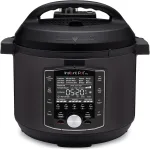
The Instant Pot is in roughly 40 million American kitchens. And every few months, someone asks: is it actually safe? Do the materials leach anything? What’s in that silicone ring? Is the plastic BPA-free?
These are fair questions. The appliance sits under pressure, at high heat, for extended cooking times. If anything were going to migrate into food from a kitchen appliance, a pressure cooker would be the context where the conditions are most favorable for it. So let’s actually look at what it’s made of.
What the Instant Pot Is Made Of
The Instant Pot has four main material zones, and each one carries different safety questions.
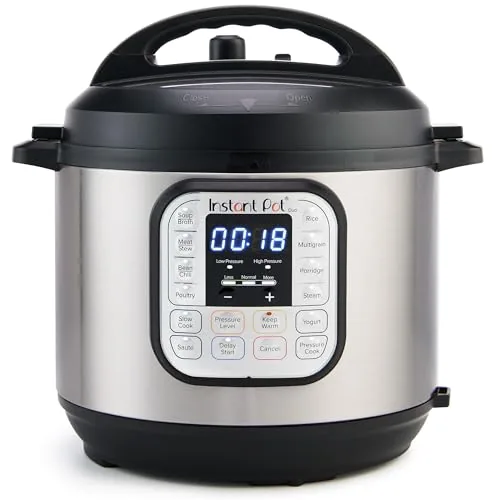
The inner pot is where your food actually sits. Instant Pot uses food-grade 304 stainless steel (18/8 designation: 18% chromium, 8% nickel) with no coating of any kind. There’s no non-stick layer, no ceramic glaze, no enamel. This is the same alloy used in surgical instruments and commercial restaurant equipment. The interior surface is polished and the base is typically a triple-ply construction for heat distribution.
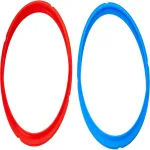
The sealing ring (also called the gasket) is a flexible silicone ring that sits in the lid and creates the airtight seal required for pressure cooking. Instant Pot specifies food-grade silicone for these rings. The genuine OEM rings have passed FDA, UL, and LFGB certification for food contact.
The lid is a combination of materials: polypropylene plastic for the body, a stainless steel float valve, and the silicone sealing ring. The polypropylene does not contact food directly during pressure cooking. It sits above the steam zone, not submerged in the cooking liquid.
The exterior housing is also polypropylene plastic with a stainless steel outer shell on most models. This is nowhere near food contact and operates at much lower temperatures than the inner pot.
No Instant Pot model uses PTFE (Teflon), PFAS, or any non-stick coating on the main cooking pot. Some accessory lids and air fryer lid attachments sold separately by Instant Brands are explicitly advertised as PFOA-free and PTFE-free. If you buy accessories from third parties, you’d need to check each one individually.
Where the Real Safety Questions Are
The Stainless Steel Inner Pot
The 304 stainless steel liner does leach trace amounts of nickel and chromium. This is well-documented in the peer-reviewed literature. A 2013 study by Kamerud et al. published in the Journal of Agricultural and Food Chemistry [laboratory analysis] found that stainless steel cookware leaches nickel and chromium into food, with amounts highest in new pans and when cooking acidic foods for extended periods.
The study found that after several cooking cycles, leaching dropped significantly as the passive chromium oxide layer on the surface stabilized. Even at peak leaching, the nickel concentrations measured were a fraction of the European Food Safety Authority’s tolerable daily intake of 2.8 micrograms per kilogram of body weight per day.
For context: tomatoes cooked for six hours in a new stainless pan showed the highest leaching in that study. A typical Instant Pot cooking session is 15 to 45 minutes. That’s dramatically less exposure time, even if you cook something acidic like a tomato-based stew.
For most people, stainless steel cookware is safe for daily use. The exception is people with confirmed nickel allergies. If you’ve reacted to nickel jewelry or watches, trace dietary nickel from stainless cookware is worth discussing with your doctor. For the general population, the exposure is well within established safe thresholds.
The Silicone Sealing Ring
This is the component that generates the most questions. Partly because it visibly absorbs odors, which makes people wonder what else it might be doing.
Food-grade silicone is a cross-linked polymer (polydimethylsiloxane) that is stable across a wide temperature range. It can release small amounts of cyclic siloxanes (D4, D5, D6) when heated, particularly in early uses. A 2022 EFSA review of food contact materials [regulatory review] found that migration of cyclic volatile methylsiloxanes from food-grade silicone is detectable but remains below established safety thresholds under normal cooking conditions.
D4 is classified as a Substance of Very High Concern in the EU primarily due to environmental persistence and potential endocrine effects at high doses in animal studies. Whether dietary exposure from cooking with silicone constitutes a meaningful human health risk is not settled by current data. The honest answer is that long-term data on silicone food contact is limited, which is addressed in the “What We Don’t Know Yet” section below.
What we do know: the silicone ring’s odor absorption is real. The ring is porous at a microscopic level, and aromatic compounds from curry, garlic, and strong spices get into those pores. That’s a cooking quality issue, not a toxicity issue. The fix is regular cleaning (the ring is dishwasher-safe and can be steamed to release odors) and replacement every 12 to 18 months. Instant Brands recommends this interval, and it keeps the ring in good structural condition, which also matters for maintaining a safe seal.
Running a dedicated ring for savory cooking and a separate ring for sweet dishes (yogurt, oatmeal, desserts) is the practical move if odor transfer bothers you. The genuine OEM 2-pack comes in two colors specifically for this purpose.
The Polypropylene Lid and Exterior
Polypropylene (PP) is one of the more inert food-contact plastics. It’s BPA-free by composition, because polypropylene doesn’t require bisphenol A in its manufacture. The original BPA-free concern arose with polycarbonate plastics, not polypropylene.
Polypropylene does not contact food during standard pressure cooking. The lid sits above the food, and the sealing ring is what contacts the steam zone. Third-party testing reported by Creative Green Living found no detectable lead or cadmium in Instant Pot lid components.
At very high temperatures, some plastics can release additives, but polypropylene’s rated operating temperature range is well above what any part of the lid reaches during normal cooking. The bottom of the outer housing reaches cooking temperature only at the heating element contact area, not near the plastic.
How Concerning Is It, Really?
NonToxicLab’s assessment: the Instant Pot presents low chemical exposure risk for the vast majority of users under normal cooking conditions. The stainless steel inner pot has a better materials profile than most non-stick cookware, slow cooker ceramic inserts with unknown glazes, or aluminum pots. The silicone seal warrants routine replacement but is not a significant leaching source at normal pressure-cooking temperatures and durations.
The calibration table below puts the concerns in order:
| Material | Concern | Risk Level | Who Should Pay Attention |
|---|---|---|---|
| 304 stainless steel inner pot | Trace nickel/chromium leaching | Low for most people | Confirmed nickel allergy sufferers |
| Silicone sealing ring | Cyclic siloxane migration, odor absorption | Low to uncertain | Anyone with concerns about long-term siloxane exposure |
| Polypropylene lid body | None significant under normal use | Very low | No specific group |
| Exterior housing | No food contact | Negligible | N/A |
People who should apply extra caution: those with nickel contact allergies (confirm with a doctor whether dietary nickel is a concern for your specific sensitivity), pregnant women who want to minimize precautionary exposures while the siloxane data matures, and households cooking highly acidic foods in long sessions.
For everyone else, an Instant Pot with a stainless steel liner and a properly maintained silicone ring is among the safer cooking vessels you can own. It’s a materially better situation than most non-stick alternatives, and the pressure cooking itself actually reduces cooking time, which limits any thermal exposure window.
What to Do About It
There are three things that actually move the needle here, in order of impact:
1. Replace the sealing ring on schedule. Every 12 to 18 months, or sooner if you see any cracking, discoloration, or permanent odor that doesn’t clean out. A degraded ring cooks worse (you’ll notice pressure build-up problems) and raises more uncertainty about structural silicone breakdown. The genuine OEM 2-pack on Amazon is inexpensive and the right call.
2. If you have a nickel allergy, get tested for dietary nickel sensitivity. Most people with nickel contact allergies don’t react to dietary nickel at these trace levels, but it varies by individual. A stainless steel pressure cooker still gives you a better profile than almost any alternative, but discuss with your allergist.
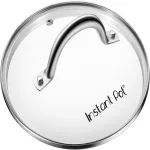
3. Don’t buy non-stick accessories for the Instant Pot. Instant Brands sells some accessories (like certain air fryer inserts and bakeware) that use non-stick coatings. If you’re choosing accessories, stick to stainless steel or silicone components. The tempered glass lid is a good addition if you use the pot for slow cooking, since it eliminates the sealing ring entirely for low-heat applications.
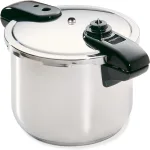
The Presto 8-quart stainless stovetop pressure cooker is worth considering for anyone who wants to eliminate electronic components entirely. Less to maintain, fewer material zones, and stovetop models have been studied for decades. For product comparisons across the best non-toxic cookware category, the Instant Pot’s stainless liner ranks well against its peer set. If you’re specifically shopping for a pressure cooker for the first time, our best non-toxic slow cooker guide also covers the intersection of these categories.
What We Don’t Know Yet
The honest gaps in the current evidence:
Long-term cyclic siloxane exposure from food-contact silicone. We know migration occurs. We know levels fall below current regulatory thresholds. What we don’t have is long-term human epidemiological data on dietary siloxane exposure from cookware. Most of the concerning animal data used levels orders of magnitude higher than food-contact exposure. Human relevance at cookware-contact doses is not established. And the studies aren’t extensive enough to definitively rule out effects over decades of use, either.
High-pressure cooking and leaching rates. Most stainless steel leaching studies use conventional stovetop cooking or atmospheric simmering. The combination of elevated pressure and high heat in an electric pressure cooker hasn’t been as extensively studied as stovetop conditions. It’s plausible that the shorter cooking times offset any pressure-induced leaching increase, but this specific combination has limited published data.
Third-party accessory materials. Instant Brands does not control the materials in third-party Instant Pot accessories, which range widely in quality. If you’re using non-OEM sealing rings, silicone steamer inserts, or other accessories, their food-safety certifications (or lack thereof) vary. The FDA LFGB certification on OEM rings is a real quality signal that many third-party alternatives don’t match.
FAQ
Is the Instant Pot BPA-free?
Yes. The exterior and lid are polypropylene, which is BPA-free by composition. The inner pot is stainless steel. Neither material contains bisphenol A. The sealing ring is silicone, also BPA-free. The Instant Pot does not use polycarbonate plastic, which is the plastic type historically associated with BPA.
Does the Instant Pot inner pot have a non-stick coating?
No. The main inner cooking pot on all standard Instant Pot models is uncoated 304 (18/8) stainless steel. There is no PTFE, Teflon, ceramic coating, or any other surface treatment. Some specialty accessory inserts sold separately may have non-stick coatings, but the included pot does not.
How often should I replace the Instant Pot sealing ring?
Instant Brands recommends replacement every 12 to 18 months under normal use. If you cook frequently (four or more times per week), replace closer to the 12-month mark. Replace sooner if you see cracks, tears, or permanent deformation, or if the ring can’t hold pressure as reliably as it used to. Degraded rings are a cooking performance issue first, a safety question second.
Can I cook tomatoes or other acidic foods in the Instant Pot?
Yes. The 304 stainless steel inner pot handles acidic foods without structural damage. Small amounts of nickel and chromium will migrate into highly acidic foods during extended cooking. This is documented in the published research, and the quantities fall well within established safe intake limits for the general population. If you have a confirmed nickel allergy, it is worth discussing dietary nickel intake with your doctor, but this is not a concern for most people.
Is the Instant Pot safe for babies and toddlers?
The stainless steel pot and the general material profile are reasonable choices for cooking baby food and toddler meals. The main practical step is to confirm the sealing ring is new or recently replaced (no cracks, no persistent odor), since a ring in good condition reduces any exposure uncertainty. Cooking vegetables and proteins in a clean stainless pot under pressure for a short time is a low-risk preparation method. If you’re in a period of heightened precaution (e.g., cooking for a very young infant), a new replacement ring at the start of that period is a low-cost move.
Does the Instant Pot release toxic fumes when pressure cooking?
No. Unlike PTFE-coated non-stick pans, which can release decomposition gases above 500 degrees Fahrenheit, the Instant Pot’s stainless steel pot does not have a coating to break down. The exterior plastic reaches much lower temperatures than the cooking zone. The steam that escapes from the pressure release valve is water vapor. There are no documented concerns about fume release from the cooking components under normal operating conditions.
You Might Also Like
- Best Non-Toxic Food Storage Containers in 2026 (Glass, Steel, and Silicone)
- Is the Vitamix Non-Toxic? What the Blender Container Is Actually Made Of
- Cast Iron vs Stainless Steel: Which Is Safer for Cooking?
- Best Non-Toxic Sippy Cups in 2026 (Stainless Steel and Silicone)
- Best Non-Toxic Baby Bottles in 2026 (Glass, Stainless Steel, and Silicone)
- Best Non-Toxic Kids Plates, Bowls, and Utensils in 2026
- Best Non-Toxic Coffee Maker in 2026 (No Plastic, No BPA)
- Best Non-Toxic Electric Kettle in 2026 (Plastic-Free, BPA-Free)
- Best Non-Toxic Water Bottles in 2026 (Glass, Steel, No Plastic)
- Best Non-Toxic Air Fryers in 2026 (PFAS-Free, Actually Tested)
Sources
- Kamerud KL, et al. “Stainless Steel Leaches Nickel and Chromium into Foods during Cooking.” Journal of Agricultural and Food Chemistry, 2013 (PMC open access): foundational study on nickel and chromium migration from 18/10 stainless, finding highest leaching in new pans with acidic foods over extended cooking time; leaching stabilized after six cooking cycles
- European Food Safety Authority, “Risk Assessment of Food Contact Materials II,” EFSA Journal 2022 (PubMed): EFSA review covering migration from silicone food contact materials; found detectable cyclic siloxane migration below established safety thresholds under normal use
- German Federal Institute for Risk Assessment (BfR), “BfR Activities on Silicone,” EFSA 2023 symposium presentation: EU regulatory assessment of D4, D5, D6 siloxane migration from silicone food contact materials
- Guarneri F, et al. “Release of nickel and chromium in common foods during cooking in 18/10 (grade 316) stainless steel pots.” Contact Dermatitis, 2017 (PubMed): study on nickel and chromium migration into common foods during cooking, relevant to individuals with nickel-contact sensitivity
- Instant Pot stainless steel inner cooking pot, manufacturer specifications: manufacturer confirmation of 304 (18/8) grade stainless steel, no coating